↓
 

Madison Brick & Stone

Brick & Stone Masons in Madison, AL

Madison Brick & Stone
  • Home
  • Brick Masonry
  • Stone Masonry
  • Indoor Fireplaces
  • Outdoor Fireplace
Home→Tags brick masonry problems - Page 2 << 1 2 3 >>

Tag Archives: brick masonry problems

Post navigation

← Older posts
Newer posts →

Why a Brick Fireplace Can Develop Cracks Over Time

Madison Brick & Stone Posted on June 17, 2026 by madisonBSJune 16, 2026
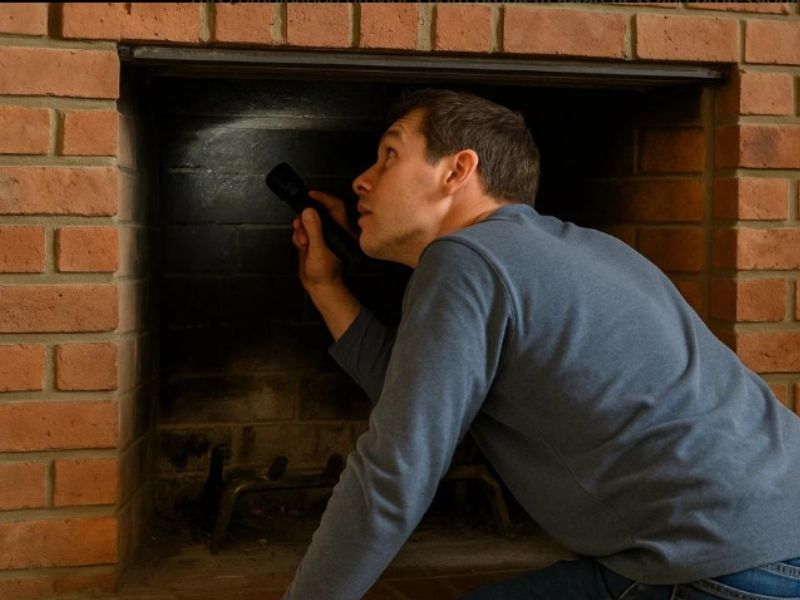
Homeowner inspecting a brick fireplace for cracks and masonry damage.

A brick fireplace looks solid. Most homeowners assume it stays that way forever. It doesn’t. Cracks show up over time on almost every brick fireplace, and most people ignore them until the damage gets serious. Understanding why a brick fireplace develops cracks helps you catch problems early and avoid costly repairs later. This article covers the main causes, what the cracks mean and when to act.

Heat Is the First Enemy

A brick fireplace goes through extreme temperature changes every time it’s used. The firebox can reach over 1,000 degrees Fahrenheit during a fire. When the fire goes out, it cools down fast.

Brick expand when they get hot and shrink when they cool. They don’t expand and shrink at the same rate. Over time, that difference creates stress at the joints between bricks. The mortar starts to crack first because it’s softer than the brick itself.

This type of cracking is normal. Hairline cracks in the mortar are common on fireplaces that get regular use. The problem starts when those small cracks get ignored and water gets in.

Water Makes Everything Worse

Water is the main reason small cracks turn into big ones. Rain, snow and humidity all find their way into cracks in the mortar. When water gets inside and freezes, it expands. That pushes the crack wider. Each freeze-thaw cycle makes the damage worse.

Brick is porous. It absorbs water even without visible cracks. Over years of exposure, the face of the brick can start to spall. That means the outer layer breaks off, leaving a rough and weakened surface.

The chimney is the most exposed part of the fireplace. It sits outside in all weather with no protection. Cracks in the chimney crown, which is the concrete cap at the top, let water run straight down into the masonry. That’s one of the most common causes of serious cracking in the firebox below.

Settlement and Foundation Movement

A brick fireplace and chimney are heavy. A full masonry chimney can weigh several tons. It sits on its own foundation, separate from the house foundation in most cases.

When that foundation shifts, the chimney moves with it. Even small amounts of movement create cracks in the brick and mortar. These cracks are different from heat cracks. They tend to be larger, run diagonally and follow the mortar lines in a stair-step pattern.

Settlement cracks are a sign that the structure has moved. They don’t fix themselves. If the foundation keeps moving, the cracks keep growing. A diagonal crack running from the firebox opening up through the chimney is a warning sign that needs attention.

Poor Original Construction

Some fireplaces crack early because they weren’t built well to begin with. The mortar mix matters. A mortar that’s too hard doesn’t flex with the brick during heat cycles. It cracks sooner than a properly mixed mortar would.

The wrong type of brick also causes problems. Not all bricks are rated for high-heat use. Firebrick, which is made to handle the heat inside a firebox, is different from standard face brick. Using the wrong brick in the firebox leads to cracking and spalling from heat alone.

Inadequate flashing around the chimney where it meets the roof is another construction problem. Without proper flashing, water runs down behind the chimney and soaks into the masonry from the inside. That moisture causes cracking that’s hard to trace back to its source.

Age and Deferred Maintenance

Mortar has a lifespan. Even well-built fireplaces need mortar joints repointed every 20 to 30 years. Old mortar gets soft and crumbly. Once it starts breaking down, water gets in faster and the cycle of damage accelerates.

Homeowners often don’t notice mortar deterioration until bricks start to loosen or crack. By then, the repair is larger and more expensive than it would have been with routine maintenance.

A brick fireplace that hasn’t been inspected in years almost certainly has some mortar deterioration, even if there are no visible cracks yet. The damage starts at the joints before it shows up on the brick faces.

When Cracks Are Serious and When They’re Not

Not every crack in a brick fireplace is an emergency. Hairline cracks in mortar joints from normal heat cycling are common and can be repaired with repointing.

Cracks that are wide, growing or running through the brick itself are a different story. So are cracks near the firebox opening or in the smoke chamber above it. Those areas take the most heat and stress. Damage there can affect how the fireplace drafts and whether combustion gases stay inside the flue.

Cracks in the firebox liner or the flue tile are a fire hazard. A damaged liner can allow heat and embers to reach the surrounding structure. That’s not a cosmetic issue. It needs to be fixed before the fireplace is used again.

What Professionals Look For

A qualified masonry contractor or chimney specialist can tell the difference between surface cracking and structural damage. They look at crack width, location, pattern and whether the damage is active or stable.

For serious settlement cracks, a structural engineer may need to assess the foundation before any masonry repairs begin. Patching cracks on a moving foundation is a waste of money. The cracks will come back.

Routine inspections every few years catch most problems while they’re still small. The Chimney Safety Institute of America recommends annual chimney inspections for fireplaces in regular use.
Posted in Brick Mason | Tagged brick mason, brick masonry, brick masonry problems

Retaining Wall Failure: Why They Lean and Crack

Madison Brick & Stone Posted on June 10, 2026 by madisonBSJune 3, 2026

A retaining wall looks solid the day it goes in. Then a few years pass. You notice a slight lean. A crack runs along the mortar. A section starts to bow outward. Retaining wall failure rarely happens overnight. It builds slowly, and by the time most homeowners notice it, the problem has been developing for months or longer. Understanding why walls fail helps you catch the warning signs early and avoid a repair bill that’s several times larger than it needed to be.

What a Retaining Wall Is Actually Fighting

A retaining wall holds back soil. That sounds simple, but the forces involved are constant and significant.

Soil pushes outward against the back of the wall all day, every day. Rain adds weight to that soil. Clay-heavy soil expands when wet and contracts when dry, which creates a push-pull cycle that never stops. Tree roots grow into the base or the wall joints and add pressure from directions the original build never accounted for.

A well-built retaining wall is designed to handle all of that. A wall with poor drainage, a weak base, or inadequate mass behind it is working against forces it was never equipped to manage. Most homeowners only think about retaining wall repair after visible damage appears, but the stress that causes that damage starts long before anything shows on the surface.

The Most Common Causes of Retaining Wall Failure

Poor drainage behind the wall

This is the leading cause of retaining wall failure, and it’s the one most people don’t think about until something goes wrong.

Water needs somewhere to go. When soil behind a retaining wall becomes saturated, the hydrostatic pressure against the wall increases sharply. A wall built to hold back dry soil is suddenly fighting the weight of waterlogged ground. That extra pressure is what causes leaning and eventual collapse.

Properly built retaining walls include a gravel drainage layer behind the wall, weep holes that allow water to escape through the face, and sometimes a perforated drainage pipe at the base. When those systems are missing, undersized, or blocked by debris, water has no exit. Pressure builds. The wall moves.

Inadequate base and footing

A retaining wall sitting on soft or unstable ground has no future. The footing needs to reach below the frost line in cold climates and needs to bear on stable, compacted soil. When the base shifts, the wall shifts with it.

This failure type shows up as settling, cracking at the base, or sections that sink unevenly. The wall may look fine from the top but show visible gaps or separations at ground level.

Soil pressure the wall wasn’t designed for

Most residential retaining walls are designed for a specific height and a specific type of soil load. When someone adds fill dirt behind an existing wall, builds a new structure nearby, or parks heavy equipment close to the wall, the load increases beyond what the original design anticipated.

Taller walls face significantly more pressure than shorter ones. A wall that’s two feet high handles a fraction of the lateral pressure that a four-foot wall does. When homeowners extend a wall’s height without reinforcing the base and adding proper drainage, they’re asking a structure designed for one load to carry a much larger one.

Clay soil and seasonal movement

Clay soil is particularly hard on retaining walls. It expands when wet and shrinks when dry. That cycle applies and releases pressure against the back of the wall repeatedly across every season. Over years, that repeated movement wears on mortar joints, shifts individual blocks or bricks, and eventually causes visible cracking and leaning.

Sandy or well-draining soil behind a retaining wall behaves far more predictably. Clay soil is the reason drainage becomes even more critical in certain regions.

Root intrusion

Tree roots follow moisture. The soil behind a retaining wall often stays wetter than surrounding areas, which makes it an attractive path for roots. Once roots get into mortar joints or under a footing, they create continuous pressure as they grow. A root that’s an inch in diameter today will be four inches in five years.

The damage is usually slow and easy to miss until a section of wall visibly shifts.

Warning Signs to Watch For

Retaining wall problems give signals before they become failures. The signs worth watching:

  • A visible lean or tilt away from the retained soil
  • Horizontal cracks running along the wall face
  • Stair-step cracking following mortar joints in brick or block walls
  • Bulging sections where the wall face bows outward
  • Soil spilling through weep holes or gaps
  • Water pooling at the base of the wall after rain instead of draining away
  • Sections that have shifted or dropped relative to adjacent sections

Any one of these warrants a closer look. Two or more together suggest the wall needs professional assessment soon.

Repair or Rebuild: How to Tell the Difference

Not every leaning or cracking retaining wall needs to be torn out and rebuilt. The decision depends on what caused the failure and how far along the damage is.

Drainage problems caught early are often fixable without rebuilding. Installing or clearing weep holes, adding a drainage layer, and regrading the area behind the wall can relieve pressure and stop further movement.

Walls that have leaned more than one inch per foot of height, walls with structural cracks at the base, and walls where the footing has shifted are generally candidates for rebuild rather than repair. Patching the face of a wall that has a compromised foundation doesn’t fix the problem. It delays it.

A masonry contractor can assess whether the wall has moved beyond repair by checking the footing, testing the drainage, and evaluating the extent of cracking. Getting that assessment early is almost always cheaper than waiting.

What Proper Construction Looks Like

A retaining wall built to last includes a few things that cheaper installations skip.

The footing goes below the frost line and bears on undisturbed or properly compacted soil. A gravel drainage layer sits directly behind the wall for the full height. Weep holes appear at regular intervals near the base, typically every four to six feet. For taller walls, a perforated drain pipe runs along the base of the gravel layer and directs water away from the structure.

Walls over four feet in height typically need engineering input, deadman anchors or geogrid reinforcement, and a more substantial footing than a shorter garden wall. Skipping those elements to cut costs is where most long-term failures begin.

Frequently Asked Questions

What is the most common cause of retaining wall failure? 

Poor drainage is the leading cause. When water builds up behind a retaining wall with no outlet, hydrostatic pressure increases sharply and pushes the wall outward. Most retaining wall failures can be traced back to missing, blocked, or undersized drainage systems behind the wall.

Can a leaning retaining wall be fixed without rebuilding? 

Sometimes. If the lean is minor and the cause is drainage-related, fixing the drainage and relieving pressure can stop further movement. Walls that have shifted significantly, have cracked footings, or have moved past structural tolerance typically need to be rebuilt rather than repaired.

How much lean is too much for a retaining wall? 

A general rule used by masonry contractors is that a lean greater than one inch per foot of wall height signals a structural problem that needs professional attention. Smaller lean angles may still warrant inspection if they’re getting progressively worse.

How long should a retaining wall last? 

A well-built brick or stone retaining wall with proper drainage should last 40 to 100 years. Walls with drainage problems, inadequate footings, or poor construction can show failure signs within five to ten years.

Does clay soil make retaining wall failure more likely? 

Yes. Clay soil expands when wet and contracts when dry, which applies repeated lateral pressure against the back of a retaining wall across every weather cycle. That movement accelerates cracking and joint deterioration compared to sandy or well-draining soil.

Posted in Brick | Tagged brick masonry, brick masonry problems, masonry contractor, stone masonry

Painted Brick: Does It Hurt Your Home or Help It?

Madison Brick & Stone Posted on June 3, 2026 by madisonBSJune 3, 2026
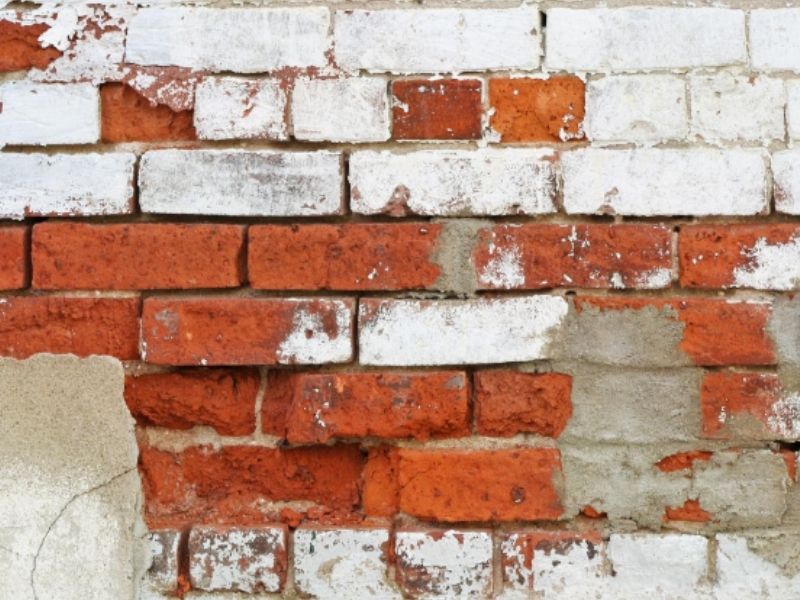
Painted brick showing peeling paint and moisture damage on a masonry wall

Most homeowners think painted brick is just a cosmetic choice. Pick a color, roll it on, done. But brick is one of the few building materials that actually needs to breathe, and paint can get in the way of that. Before you commit to painted brick on your home, there are a few things worth understanding about how the material works and what can go wrong.

What “Breathing” Actually Means for Brick

Brick absorbs moisture. It pulls it in during rain and releases it as temperatures change. That cycle is normal. The brick handles it fine on its own.

When you paint brick, you add a barrier over the surface. If that barrier traps moisture inside the wall instead of letting it escape, the water has nowhere to go. It builds up. Over time, that trapped moisture leads to spalling, where the face of the brick flakes or pops off. It can also cause efflorescence, mold growth behind the paint film, and mortar deterioration.

The risk depends heavily on the type of paint used. Regular exterior paint creates a vapor-impermeable film. Masonry-specific paint and mineral-based paints are more breathable and carry less risk. Many homeowners use the wrong product and don’t find out until problems appear two or three years later.

Does Painted Brick Hurt Resale Value?

This one gets debated. The short answer: it varies by market and how well the job was done.

In some neighborhoods, a freshly painted brick exterior reads as updated and appealing. In others, buyers see painted brick and immediately think about the maintenance commitment and the fact that it can’t easily be undone.

The bigger issue for resale is permanence. Painted brick is difficult and expensive to reverse. Sandblasting or chemical stripping can remove paint, but both methods carry a real risk of damaging the brick surface permanently. Once you paint, you’re largely committed to repainting every five to ten years for the life of the home.

Real estate professionals in brick-heavy housing markets often advise caution. Buyers who want original brick won’t be swayed by a painted version of it, and the pool of buyers narrows slightly as a result.

The Maintenance Cycle Homeowners Don’t Anticipate

Unpainted brick is genuinely low maintenance. Hose it down occasionally, inspect the mortar every few years, and it largely takes care of itself.

Painted brick adds a recurring maintenance obligation. Paint on masonry fades, chalks, peels, and cracks. Depending on sun exposure and climate conditions, a repaint is typically needed every five to ten years. Each repaint job requires proper surface prep, which on brick means cleaning, patching any damaged mortar, and priming before the topcoat goes on.

Over a twenty-year period, the cost of maintaining painted brick adds up considerably compared to leaving it unpainted. That’s a cost many homeowners don’t factor in when making the initial decision.

The Right Paint for Painted Brick Exteriors

Using standard exterior latex or oil-based paint on brick is one of the most common mistakes. These products are designed for wood or fiber cement siding, not masonry. They form a relatively impermeable film that sits on top of the brick rather than bonding with it.

Masonry-specific elastomeric coatings are more flexible and bond differently. Mineral silicate paints, sometimes called silicate dispersion paints, actually penetrate into the masonry and become part of the surface. They’re more breathable and far less likely to peel.

The tradeoff is cost and availability. Silicate paints are harder to source and significantly more expensive than standard exterior paint. A contractor experienced with masonry will know the difference. Many general painters don’t.

When Painted Brick Actually Makes Sense

There are legitimate reasons to paint brick. If the existing brick is badly stained, discolored from previous repairs, or visually inconsistent across a wall from patching work, paint can unify the surface in a way that’s difficult to achieve otherwise.

Older homes sometimes have brick that was never intended to be a finished surface. In those cases, the brick quality is poor and painting is a reasonable solution.

If you’re working with interior brick in a low-moisture area, the breathability issue largely goes away. Interior painted brick carries far less risk than exterior painted brick because moisture management isn’t a factor.

The key question to ask before painting is whether the problem actually requires paint, or whether cleaning, repointing, and sealing gets you to the same result. Most brick and stone masons lean toward the second option when the brick underneath is still in good shape. 

Frequently Asked Questions

Does painted brick cause permanent damage? 

Painted brick doesn’t cause immediate damage, but using the wrong paint type or painting over brick with existing moisture problems can lead to spalling, peeling, and mortar failure over time. The damage builds slowly and often doesn’t show up until years later.

Can painted brick be reversed? 

Yes, but it’s difficult. Sandblasting, chemical stripping, and pressure washing can remove paint from brick, but all three methods risk damaging the brick surface or mortar joints in the process. Full removal to original condition is rarely guaranteed.

What type of paint is safest for painted brick exteriors? 

Mineral silicate paint is considered the safest option for exterior brick because it bonds with the masonry rather than forming a surface film. Elastomeric masonry coatings are a more commonly available alternative. Standard latex or oil-based exterior paint carries the most risk.

How long does painted brick last before repainting? 

On exterior brick, paint typically lasts five to ten years before it needs to be recoated. Sun exposure, moisture levels, and paint quality all affect how quickly it fades or peels.

Does painted brick affect home value? 

It varies by market. Some buyers prefer the look of painted brick. Others see it as a maintenance liability or a barrier to getting back to original brick. In markets where original brick is valued, painting can narrow your buyer pool.

Posted in Brick | Tagged brick mason, brick masonry, brick masonry problems

Post navigation

← Older posts
Newer posts →

© Copyright Madison Brick & Stone
Madison, Alabama ​35758
Phone: (256) 270-2702

Privacy Policy | Terms of Use

Web Development and SEO by: AuburnBusiness.com

The owner of this website, AuburnBusiness, LLC, provides marketing for local skilled labor businesses in the Huntsville and Madison, AL area.

↑