↓
 

Madison Brick & Stone

Brick & Stone Masons in Madison, AL

Madison Brick & Stone
  • Home
  • Brick Masonry
  • Stone Masonry
  • Indoor Fireplaces
  • Outdoor Fireplace
Home→Tags stone masonry 1 2 >>

Tag Archives: stone masonry

Post navigation

← Older posts

Retaining Wall Failure: Why They Lean and Crack

Madison Brick & Stone Posted on June 10, 2026 by madisonBSJune 3, 2026

A retaining wall looks solid the day it goes in. Then a few years pass. You notice a slight lean. A crack runs along the mortar. A section starts to bow outward. Retaining wall failure rarely happens overnight. It builds slowly, and by the time most homeowners notice it, the problem has been developing for months or longer. Understanding why walls fail helps you catch the warning signs early and avoid a repair bill that’s several times larger than it needed to be.

What a Retaining Wall Is Actually Fighting

A retaining wall holds back soil. That sounds simple, but the forces involved are constant and significant.

Soil pushes outward against the back of the wall all day, every day. Rain adds weight to that soil. Clay-heavy soil expands when wet and contracts when dry, which creates a push-pull cycle that never stops. Tree roots grow into the base or the wall joints and add pressure from directions the original build never accounted for.

A well-built retaining wall is designed to handle all of that. A wall with poor drainage, a weak base, or inadequate mass behind it is working against forces it was never equipped to manage. Most homeowners only think about retaining wall repair after visible damage appears, but the stress that causes that damage starts long before anything shows on the surface.

The Most Common Causes of Retaining Wall Failure

Poor drainage behind the wall

This is the leading cause of retaining wall failure, and it’s the one most people don’t think about until something goes wrong.

Water needs somewhere to go. When soil behind a retaining wall becomes saturated, the hydrostatic pressure against the wall increases sharply. A wall built to hold back dry soil is suddenly fighting the weight of waterlogged ground. That extra pressure is what causes leaning and eventual collapse.

Properly built retaining walls include a gravel drainage layer behind the wall, weep holes that allow water to escape through the face, and sometimes a perforated drainage pipe at the base. When those systems are missing, undersized, or blocked by debris, water has no exit. Pressure builds. The wall moves.

Inadequate base and footing

A retaining wall sitting on soft or unstable ground has no future. The footing needs to reach below the frost line in cold climates and needs to bear on stable, compacted soil. When the base shifts, the wall shifts with it.

This failure type shows up as settling, cracking at the base, or sections that sink unevenly. The wall may look fine from the top but show visible gaps or separations at ground level.

Soil pressure the wall wasn’t designed for

Most residential retaining walls are designed for a specific height and a specific type of soil load. When someone adds fill dirt behind an existing wall, builds a new structure nearby, or parks heavy equipment close to the wall, the load increases beyond what the original design anticipated.

Taller walls face significantly more pressure than shorter ones. A wall that’s two feet high handles a fraction of the lateral pressure that a four-foot wall does. When homeowners extend a wall’s height without reinforcing the base and adding proper drainage, they’re asking a structure designed for one load to carry a much larger one.

Clay soil and seasonal movement

Clay soil is particularly hard on retaining walls. It expands when wet and shrinks when dry. That cycle applies and releases pressure against the back of the wall repeatedly across every season. Over years, that repeated movement wears on mortar joints, shifts individual blocks or bricks, and eventually causes visible cracking and leaning.

Sandy or well-draining soil behind a retaining wall behaves far more predictably. Clay soil is the reason drainage becomes even more critical in certain regions.

Root intrusion

Tree roots follow moisture. The soil behind a retaining wall often stays wetter than surrounding areas, which makes it an attractive path for roots. Once roots get into mortar joints or under a footing, they create continuous pressure as they grow. A root that’s an inch in diameter today will be four inches in five years.

The damage is usually slow and easy to miss until a section of wall visibly shifts.

Warning Signs to Watch For

Retaining wall problems give signals before they become failures. The signs worth watching:

  • A visible lean or tilt away from the retained soil
  • Horizontal cracks running along the wall face
  • Stair-step cracking following mortar joints in brick or block walls
  • Bulging sections where the wall face bows outward
  • Soil spilling through weep holes or gaps
  • Water pooling at the base of the wall after rain instead of draining away
  • Sections that have shifted or dropped relative to adjacent sections

Any one of these warrants a closer look. Two or more together suggest the wall needs professional assessment soon.

Repair or Rebuild: How to Tell the Difference

Not every leaning or cracking retaining wall needs to be torn out and rebuilt. The decision depends on what caused the failure and how far along the damage is.

Drainage problems caught early are often fixable without rebuilding. Installing or clearing weep holes, adding a drainage layer, and regrading the area behind the wall can relieve pressure and stop further movement.

Walls that have leaned more than one inch per foot of height, walls with structural cracks at the base, and walls where the footing has shifted are generally candidates for rebuild rather than repair. Patching the face of a wall that has a compromised foundation doesn’t fix the problem. It delays it.

A masonry contractor can assess whether the wall has moved beyond repair by checking the footing, testing the drainage, and evaluating the extent of cracking. Getting that assessment early is almost always cheaper than waiting.

What Proper Construction Looks Like

A retaining wall built to last includes a few things that cheaper installations skip.

The footing goes below the frost line and bears on undisturbed or properly compacted soil. A gravel drainage layer sits directly behind the wall for the full height. Weep holes appear at regular intervals near the base, typically every four to six feet. For taller walls, a perforated drain pipe runs along the base of the gravel layer and directs water away from the structure.

Walls over four feet in height typically need engineering input, deadman anchors or geogrid reinforcement, and a more substantial footing than a shorter garden wall. Skipping those elements to cut costs is where most long-term failures begin.

Frequently Asked Questions

What is the most common cause of retaining wall failure? 

Poor drainage is the leading cause. When water builds up behind a retaining wall with no outlet, hydrostatic pressure increases sharply and pushes the wall outward. Most retaining wall failures can be traced back to missing, blocked, or undersized drainage systems behind the wall.

Can a leaning retaining wall be fixed without rebuilding? 

Sometimes. If the lean is minor and the cause is drainage-related, fixing the drainage and relieving pressure can stop further movement. Walls that have shifted significantly, have cracked footings, or have moved past structural tolerance typically need to be rebuilt rather than repaired.

How much lean is too much for a retaining wall? 

A general rule used by masonry contractors is that a lean greater than one inch per foot of wall height signals a structural problem that needs professional attention. Smaller lean angles may still warrant inspection if they’re getting progressively worse.

How long should a retaining wall last? 

A well-built brick or stone retaining wall with proper drainage should last 40 to 100 years. Walls with drainage problems, inadequate footings, or poor construction can show failure signs within five to ten years.

Does clay soil make retaining wall failure more likely? 

Yes. Clay soil expands when wet and contracts when dry, which applies repeated lateral pressure against the back of a retaining wall across every weather cycle. That movement accelerates cracking and joint deterioration compared to sandy or well-draining soil.
Posted in Brick | Tagged brick masonry, brick masonry problems, masonry contractor, stone masonry

Stone Hearth Materials: Which One Holds Up Best

Madison Brick & Stone Posted on June 8, 2026 by madisonBSJune 16, 2026
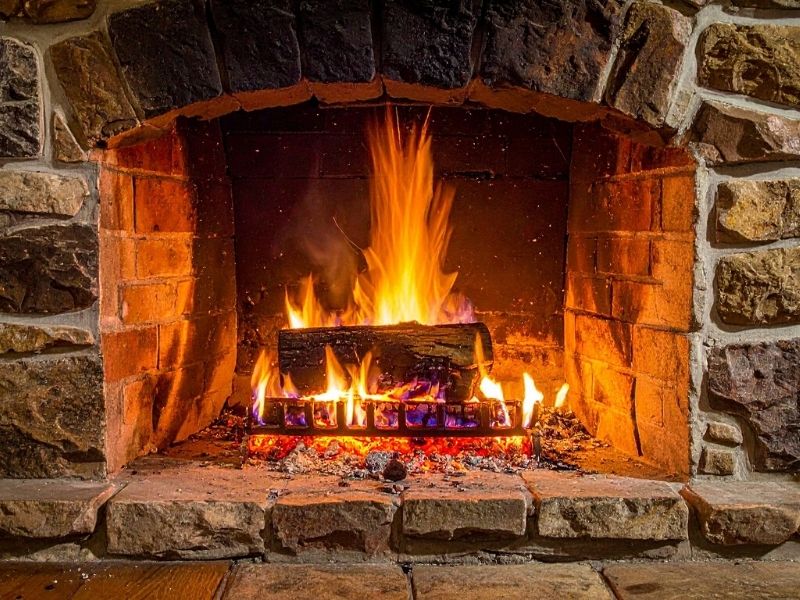
Natural stone fireplace hearth with burning logs showing durable masonry materials

The stone hearth is the most heat-exposed surface in any fireplace setup. It takes direct radiant heat, foot traffic, dropped logs, and years of use. Choosing the wrong material means cracks, staining, and an expensive fix down the road. This article breaks down the most common stone hearth options so you know exactly what you’re getting before anything gets installed.

What a Hearth Actually Does

The hearth is the flat surface at the base of a fireplace. It extends out into the room in front of the firebox opening. Its job is partly structural and partly protective. It keeps heat and embers off the floor, handles the weight of fireplace tools and accessories, and takes whatever abuse comes with regular use.

Not every stone performs equally under those conditions. Some crack under thermal stress. Some stain within months. Some look great for a decade with almost no attention at all.

Stone Hearth Options and How They Perform

Granite

Granite is the most popular choice for a reason. It’s dense, hard, and handles heat without cracking under normal fireplace conditions. Surface scratches are rare. It resists staining well, especially when sealed, and it holds up to cleaning without losing its finish.

The downside is cost. Granite runs higher than most other options, and thicker slabs cost considerably more. Color and pattern variation is wide, which makes matching an existing room easy but also means two slabs from the same quarry can look noticeably different.

For a wood-burning fireplace with heavy use, granite is the most forgiving material on this list.

Bluestone

Bluestone is a dense sandstone with a naturally flat cleft surface. It’s commonly used for outdoor work but performs well indoors too. The texture gives it good grip underfoot, which matters around a fireplace where ash and debris collect.

It doesn’t polish to a glossy finish, so it suits more casual or rustic room styles. Heat resistance is solid. Staining is the bigger concern since bluestone is more porous than granite and needs sealing to stay clean near a working fireplace.

Slate

Slate splits into flat layers, which makes it easy to cut and install. The surface has a natural matte texture that looks good in traditional and contemporary rooms alike.

The problem with slate is brittleness. Thin slate tiles crack under impact more easily than granite or bluestone. A dropped fireplace tool can chip or split a slate hearth that would barely mark a granite one. If you go with slate, thicker is better. Anything under three-quarters of an inch is a risk.

Slate also fades over time near direct heat. The deep gray or green tones common in slate can lighten or shift in color after years of heat exposure. Some homeowners don’t mind it. Others find it frustrating.

Limestone

Limestone has a soft, warm look that works well in traditional and farmhouse-style rooms. It cuts cleanly and installs well.

The catch is softness. Limestone is significantly softer than granite and scratches more easily. It’s also highly porous and reacts badly to acidic cleaners, which rules out most common household products. Around a fireplace, ash residue and cleaning chemicals can stain or etch the surface quickly without a proper sealant applied regularly.

Limestone works best in a lower-use fireplace, decorative or gas-burning setups where direct heat and physical abuse are limited.

Travertine

Travertine is a form of limestone with a distinctive pitted surface. Those pits are natural voids in the stone. On a hearth, they collect ash, debris, and cleaning product residue. Filled travertine, where the voids are grouted before installation, performs better than unfilled, but neither version is ideal for a heavily used wood-burning fireplace.

It’s a popular material for indoor floors and surrounds, but for a hearth specifically it requires more maintenance than most homeowners expect.

Soapstone

Soapstone is the outlier on this list. It’s softer than granite but has exceptional thermal properties. It absorbs heat slowly and releases it gradually, which makes it one of the best materials for a hearth from a pure heat-management standpoint.

The softness means it scratches easily. Those scratches can be sanded out, which is either a practical benefit or an ongoing chore depending on your perspective. Soapstone also darkens over time as it absorbs mineral oil, which many homeowners apply to even out the color as the stone ages. The final appearance is a deep charcoal gray that looks good in most settings.

For a homeowner who wants a hearth material with genuine heat-handling ability and doesn’t mind light maintenance, soapstone is worth serious consideration.

Surface Finish and What It Changes

The finish on a stone hearth affects both appearance and practicality.

Polished finishes look sharp but show every scratch, ash smear, and footprint. Honed finishes (matte but smooth) are more forgiving in daily use. Natural cleft or textured finishes hide marks well but collect fine debris in the surface texture.

For most working fireplaces, honed is the most practical finish. It reads as clean even when it isn’t perfectly spotless.

What to Ask Before Choosing

A few questions narrow the field fast.

How often is the fireplace actually used? A wood-burning fireplace used weekly puts far more stress on a hearth than a gas insert used occasionally. Materials that work fine for the second scenario sometimes fail for the first.

What does the room look like? Soapstone and bluestone suit casual spaces. Polished granite fits formal ones. Limestone works in warm traditional rooms but needs babying.

What’s the floor around it? The hearth needs to read as intentional against whatever flooring surrounds it. A stone that clashes or competes with the floor material is going to bother you every day.

Posted in Brick | Tagged stone masonry

How to Choose the Right Stone Pavers

Madison Brick & Stone Posted on June 1, 2026 by madisonBSMay 27, 2026

Stone pavers can change the look and feel of an outdoor space. The wrong choice can lead to cracks, uneven surfaces, or extra costs later. The right choice fits the space, handles daily use, and lasts for years. Picking stone pavers is not just about color. Material, size, finish, and use all matter.

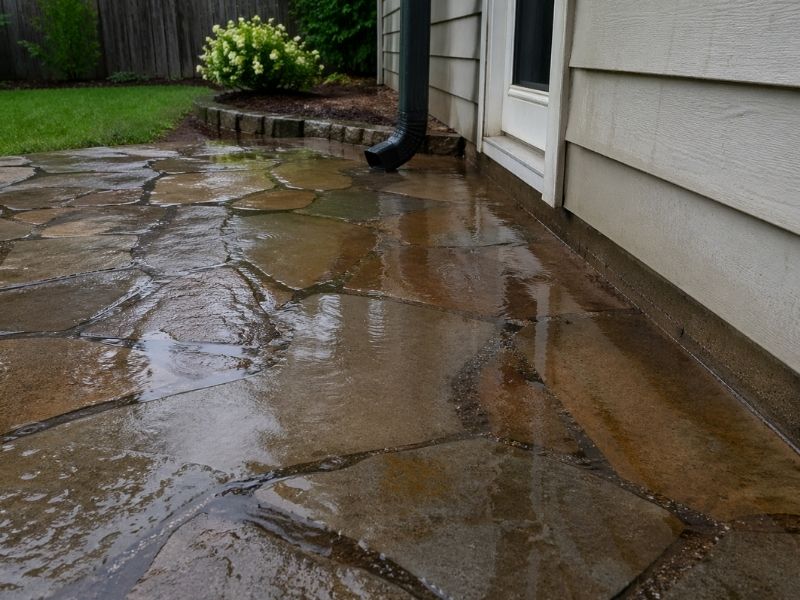
Wet natural stone pavers beside a home showing water runoff and drainage after heavy rain

What Are Stone Pavers and Why Do Homeowners Use Them?

People use stone pavers for walkways, pool areas, outdoor seating spaces, driveways, and entry points. They come in different materials and each one has strengths and weak spots.

A stone that works well around a pool may not be the best fit for a driveway. A paver that looks great in photos may become slippery after rain.

The goal is simple. Match the stone to the job.

Start With the Purpose of the Space

Homeowners often compare different stone hardscape options before choosing materials for walkways, seating areas, and outdoor gathering spaces.

Ask these questions:

  • Will people walk on it every day?
  • Will vehicles drive over it?
  • Will children play in the area?
  • Will the space stay in direct sun?
  • Does the area collect water after rain?

These answers narrow your options fast.

Walkways and Entry Areas

Walkways need comfort and grip. Smooth stones can become slick.

Good options:

  • Bluestone
  • Flagstone
  • Travertine
  • Textured limestone

Driveways

Driveways take weight and pressure.

Good options:

  • Granite
  • Thick concrete pavers
  • Dense natural stone

Thin decorative pavers often fail here.

Types of Stone Pavers Homeowners Commonly Choose

Every material acts differently.

Travertine

Travertine stays cooler than many materials. That makes it common around pools and outdoor seating spaces.

Pros:

  • Cooler underfoot
  • Natural appearance
  • Slip resistant options available

Cons:

  • Can stain without sealing
  • Needs upkeep

Flagstone

Flagstone gives a natural and relaxed look.

Pros:

  • Unique appearance
  • Different shape options
  • Good traction

Cons:

  • Irregular installation layout
  • Higher labor cost

Granite

Granite is tough.

Pros:

  • Handles heavy traffic
  • Strong surface
  • Long lifespan

Cons:

  • Higher material cost
  • Can feel hot in direct sun

Limestone

Limestone works well for clean and simple designs.

Pros:

  • Soft appearance
  • Light color choices
  • Good for outdoor spaces

Cons:

  • Can scratch easier than granite

Size Matters More Than People Think

Large pavers create a cleaner look.

Smaller pavers create more visual detail.

Large pieces may reduce joint lines. That helps create a modern style.

Small pieces may work better in curved spaces.

Do not choose based only on photos. A paver that looks great online may look too busy in a real yard.

Pay Attention to Surface Texture

Texture changes safety.

Smooth surfaces often look great. Wet surfaces tell a different story.

Areas near water need grip.

Look for:

  • Tumbled finishes
  • Textured surfaces
  • Natural cleft finishes
  • Non-slip ratings

Shiny surfaces often become a problem outdoors.

Think About Maintenance Before Buying Stone Pavers

Many people focus on appearance and forget upkeep.

Ask:

  • Does it need sealing?
  • How often?
  • Does it stain easily?
  • Can weeds grow between joints?

Natural stone usually needs more care than manufactured products.

Some homeowners love the look and do not mind extra work.

Others regret the choice later.

Color Choice Can Affect Heat

Dark colors absorb more heat.

Lighter colors stay cooler.

This matters around:

  • Pools
  • Outdoor kitchens
  • Seating areas
  • Spaces used during summer

A dark stone may look great but feel too hot to walk on.

Don’t Ignore Drainage

Drainage problems ruin outdoor projects.

Water should move away from structures and walkways.

Poor drainage can cause:

  • Standing water
  • Surface shifting
  • Uneven areas
  • Long-term damage

Good installation matters as much as the paver itself.

Work With a Mason Before Making Final Decisions

Samples help.

Photos help.

Seeing pavers in person helps more.

Experienced masonry contractors often spot problems before installation starts. They can explain what works and what usually causes trouble.

That can save money and frustration later.

Frequently Asked Questions

How long do stone pavers last?

Natural stone pavers can last for decades when installed correctly and maintained.

Do stone pavers need sealing?

Some materials benefit from sealing. Travertine and limestone often receive added protection.

Which stone pavers stay cooler?

Travertine is known for staying cooler under direct sun.

Are stone pavers slippery?

Some smooth surfaces become slick when wet. Texture matters.

Which stone paver works best for driveways?

Granite and heavy-duty pavers handle vehicle traffic better than lighter materials.

Posted in Brick | Tagged stone masonry, stone pavers

Post navigation

← Older posts

© Copyright Madison Brick & Stone
Madison, Alabama ​35758
Phone: (256) 270-2702

Privacy Policy | Terms of Use

Web Development and SEO by: AuburnBusiness.com

The owner of this website, AuburnBusiness, LLC, provides marketing for local skilled labor businesses in the Huntsville and Madison, AL area.

↑