↓
 

Madison Brick & Stone

Brick & Stone Masons in Madison, AL

Madison Brick & Stone
  • Home
  • Brick Masonry
  • Stone Masonry
  • Indoor Fireplaces
  • Outdoor Fireplace
Home→Author madisonBS 1 2 3 … 8 9 >>

Author Archives: madisonBS

Post navigation

← Older posts

Stone Pavers That Perform Better Around Pool Decks

Madison Brick & Stone Posted on July 3, 2026 by madisonBSJune 26, 2026
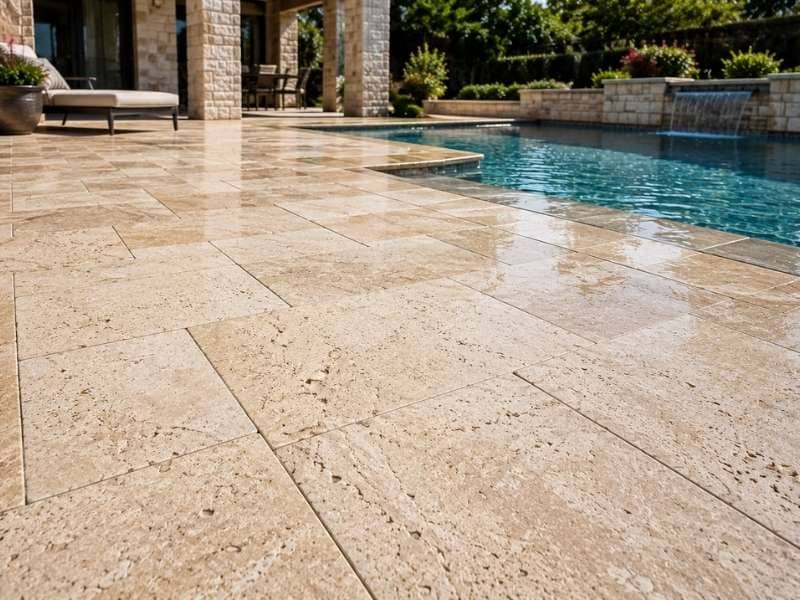
Stone pavers around a pool deck with a light-colored textured surface designed for durability, slip resistance, and long-lasting performance.

A pool deck gets used hard. It gets wet dozens of times a day, bakes in direct sun for hours and handles foot traffic from wet, bare feet all season long. The material you choose has to stay cool enough to walk on, grip wet feet safely and hold up to pool chemicals without cracking or staining. Stone pavers do this well, but not all stone is equal. Picking the right type and installing it correctly makes a bigger difference than most people expect.

Choose Stone Pavers That Feel Better to Walk On

Dark stone and smooth finishes absorb and hold solar heat. On a hot afternoon, that can make the surface painful to walk on without shoes. Light-colored options like travertine, limestone or light-toned porcelain reflect more of the sun’s energy instead of storing it.

Travertine is one of the most common choices for pool decks for this reason. Its natural surface texture also reduces heat buildup compared to dense, polished stone. A brushed or tumbled finish on any stone type performs better in the heat than a polished face and holds up to wet foot traffic without showing wear as quickly.

Pick Pavers That Help Prevent Slips

Polished stone looks good indoors. Around a pool, water sits on the surface rather than draining off, and wet feet have almost no grip. A brushed or tumbled finish creates small ridges and breaks that help water move away and give feet traction.

A simple test before you buy: run your hand across a wet sample. If it feels slick, it will be that way underfoot.

Grout joint width also matters. Wider joints let water drain off the surface faster, which reduces standing water across the whole deck.

Find Stone That Lasts in Busy Pool Areas

Pool decks face chlorinated water, sunscreen, UV exposure and constant foot traffic. Porous stone absorbs all of that, which leads to staining and surface breakdown over time. Dense stone doesn’t.

Granite absorbs very little water and resists chemical damage well. Porcelain pavers are equally dense, come in textured finishes suited for wet areas and are easy to clean. Dense limestone performs well with regular sealing. Softer stones like sandstone wear down faster under this kind of use and need more upkeep to stay in good shape.

Create a Pool Deck That Is Easy to Use

Layout decisions affect how safe and comfortable the space is to use. Walking paths that are too narrow force people close to the pool edge. Furniture placed without enough clearance creates obstacles on a wet surface.

Larger format pavers, like 24-by-24-inch slabs, reduce the number of grout lines and make a smaller deck feel more open. Smaller pavers work too, but more joints mean more maintenance over time.

Start With a Strong Base

The base is where most long-term problems start. Stone installed over poorly compacted soil or inadequate gravel will settle unevenly. Once that happens, joints open up and individual pavers rock underfoot.

A proper base starts with removing organic material and compacting the subgrade. A 4 to 6 inch layer of compactable gravel goes on top, followed by a 1 inch layer of coarse sand or stone dust that the pavers set into. Drainage lines running under or beside the deck prevent water from building up in the sub-base, which is especially important in climates with hard freezes.

Frequently Asked Questions

What are the best stone pavers for a pool deck?

Travertine, granite and porcelain pavers are the most reliable choices. Travertine stays cool underfoot and has natural texture for grip. Granite resists water and chemical damage. Porcelain pavers are low-porosity, available in textured finishes and easy to maintain. All three hold up well in wet, high-traffic environments.

Are stone pavers safe around a pool?

Yes, when the right finish is chosen. Textured finishes like brushed, tumbled or sandblasted stone give wet feet much better grip than smooth or polished surfaces. Wider grout joints help too by letting water drain off faster. Avoid polished stone on any surface where wet bare feet are common.

How long do stone pavers last?

Quality stone pavers installed on a proper base last 25 to 50 years or more. Granite and dense porcelain are on the longer end of that range. Softer stones like sandstone can still last decades with proper sealing and care, but they need more attention over time.

Do stone pavers need to be sealed?

Most natural stone around a pool should be sealed. Sealing reduces absorption of water, chlorine and oils from sunscreen, and makes cleaning easier. Travertine and limestone should be sealed every one to three years. Dense granite needs it less often. Porcelain pavers generally don’t require sealing at all.

How do you clean stone pavers?

A garden hose, a stiff brush and a pH-neutral stone cleaner handle most dirt, algae and residue. Avoid bleach, acid-based cleaners and high-pressure washing on softer stone because they damage the surface and break down the sealer. For stubborn stains, a poultice designed for the specific stone type pulls the stain out without etching the surface.
Posted in stone masonry | Tagged stone pavers

Stone Mailbox Features Homeowners Appreciate Years Later

Madison Brick & Stone Posted on July 1, 2026 by madisonBSJune 25, 2026
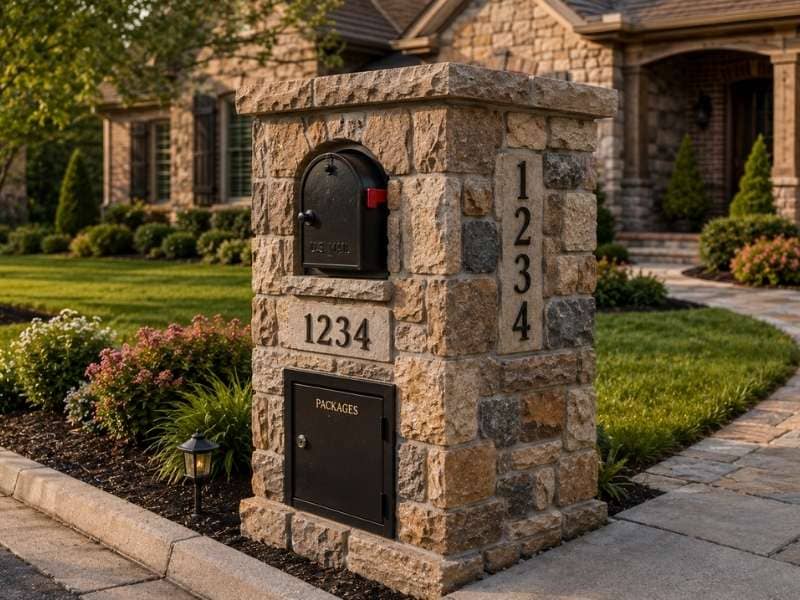
Stone mailbox with natural stone, oversized mailbox insert, package compartment, and visible house numbers built for lasting durability.

A stone mailbox does more than hold your mail. It’s one of those small upgrades that makes the whole front of a home look finished. Unlike wood or plastic options that crack, warp or fade within a few years, a properly built stone mailbox can stand for 30 to 50 years with very little upkeep.

How to Pick a Stone Mailbox That Matches Your Home

Match stone color and cut to your home’s existing exterior. Warm tan or brown stones suit brick homes. Gray tones work with stone facades or white siding. The mailbox doesn’t need to be an exact match. It just needs to feel like it belongs.

Start with the colors already in your home. Warm tan, buff or brown stones pair well with red or tan brick. Cooler gray and charcoal tones work with stone facades, white siding or darker trim. When you’re not sure, pull a tone from something already on the property, like the walkway, porch columns or chimney.

Stone cut matters too. Rough fieldstone has a natural, irregular look that suits traditional homes. Stacked ashlar, which is flat and evenly cut, gives a cleaner and more formal appearance. A skilled mason can blend types to tie the mailbox back to other features on the home.

How to Build a Stone Mailbox That Lasts

The base is where most failures begin. A footing should sit in concrete and go below the local frost line, typically 12 to 48 inches deep depending on climate. Frost heave pushes shallow footings upward, and that movement eventually cracks mortar or separates stones.

Material choices matter just as much. Dense natural stone without soft spots, Type S mortar mix for outdoor exposure and galvanized or stainless steel hardware for hinges all make a real difference over time. Regular steel rusts and stains the stone, so it’s worth skipping from the start.

Practical Features Worth Adding During the Build

Clearly visible house numbers, an oversized mailbox insert and an optional package compartment make a stone mailbox far more useful day to day. These cost little to add during the build.

House numbers that are too small or poorly placed cause problems for delivery drivers and emergency responders. Numbers should be at least 3 to 4 inches tall, placed on both sides of the column when possible, and reflective or lit if the street is dark at night.

Box size is worth thinking through early. According to USPS guidelines, the minimum approved residential mailbox is 6.5 inches wide by 19 inches long. Going one size up reduces missed deliveries. A separate locked compartment for packages is optional, but useful if online orders arrive often.

How to Keep a Stone Mailbox in Good Shape

Stone mailboxes need cleaning once or twice a year, an annual mortar check and a masonry sealer applied every three to five years. Catching small cracks early prevents much bigger repairs later.

A stiff-bristle brush and water handles most surface dirt. For tougher stains, use a pH-neutral masonry cleaner. Avoid bleach or acid-based products because they break down mortar and can etch the stone surface.

Mortar is usually the first thing to show wear. Inspect the joints each spring and fill small cracks right away. Water that gets into a crack will freeze, expand and push the stone apart. A penetrating sealer applied every three to five years keeps moisture out and makes cleaning easier. For high-porosity stone like limestone or sandstone, seal more often.

Why Quality Construction Holds Its Value

A well-built stone mailbox costs more upfront but lasts far longer than cheaper alternatives. Spread over 20 to 30 years, the annual cost is lower than replacing a wood or metal mailbox every five to seven years.

Natural stone outperforms manufactured stone veneer in harsh weather, hard freezes and high humidity. A mason who preps the base correctly, fills joints properly and seals the finished work will build something that needs very little attention for decades. And unlike painted or powder-coated materials, stone doesn’t need refinishing to keep looking good.

Frequently Asked Questions

How long does a stone mailbox last?

A well-built stone mailbox lasts 30 to 50 years or more. The key factors are stone quality, mortar mix strength and a footing set below the frost line in solid concrete. Poor drainage or a shallow base will shorten that lifespan significantly.

What is the best stone for a mailbox?

Granite and bluestone are top choices. Both are dense, absorb very little moisture and hold up well in freeze-thaw conditions. Limestone and sandstone look attractive but are more porous and need regular sealing.

Does a stone mailbox need much maintenance?

Very little. Brush it down once or twice a year, check the mortar joints each spring and apply a penetrating sealer every three to five years. Catching small cracks early is the most important habit because left alone, they grow into much bigger repairs.

Do I need to check with my post office before building a stone mailbox?

Yes. USPS requires the bottom of the mailbox opening to sit 41 to 45 inches above the road surface, with the box positioned 6 to 8 inches back from the curb. USPS also advises caution with rigid masonry supports near roads due to safety concerns in vehicle impact situations. Check with your local post office before you build.

Is a stone mailbox worth the cost?

For most homeowners, yes. The upfront cost is offset by a lifespan two to four times longer than wood or metal options and much lower maintenance over the years. Stone also holds its appearance over time in a way that painted or powder-coated materials don’t.

Posted in stone masonry | Tagged stone mailbox

When Fireplace Repair Makes More Sense Than Rebuilding

Madison Brick & Stone Posted on June 29, 2026 by madisonBSJune 25, 2026
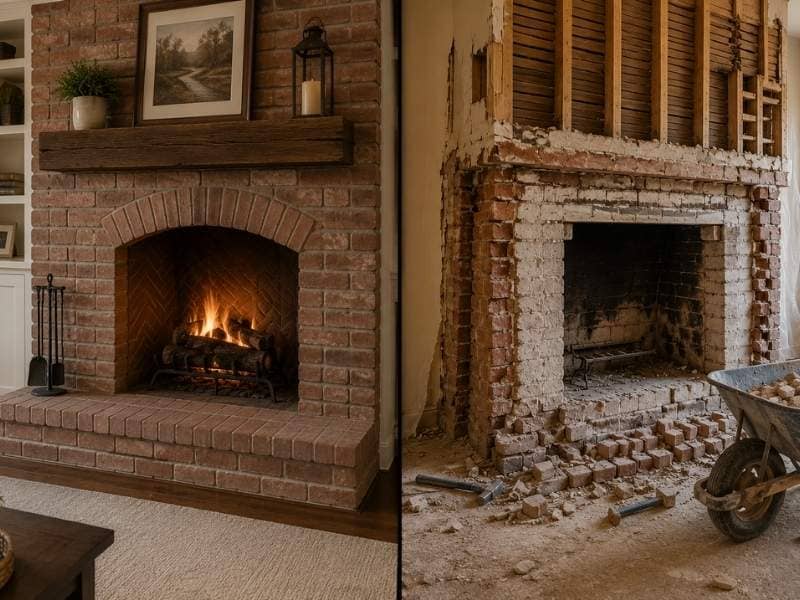
Fireplace repair compared with a full fireplace rebuild, showing minor masonry damage on one side and severe structural damage on the other.

Deciding between fireplace repair and a full rebuild comes down to one thing: how much damage you’re actually dealing with. Most fireplaces never need a full tear-out. A surprising amount of damage is fixable, and repair is usually the cheaper, faster road. The trick is knowing which problems a repair can solve, and which ones mean the fireplace is done.

Damage That Repair Can Usually Fix

Plenty of fireplace damage looks worse than it is. A mason can fix cracked mortar joints, a few loose bricks and light surface chipping. A worn firebox panel falls in the same group. None of them means the whole structure is failing. They’re the kind of wear any fireplace picks up over years of heat and use.

Repointing fixes bad mortar joints. The mason clears out the old mortar and packs in fresh. A mason can reset or swap out loose or chipped bricks one at a time. With the right heat-rated materials, a pro can often patch even a cracked firebox panel. When the damage stays on the surface and the main structure is sound, repair is almost always the right move.

How Timing Affects the Repair-or-Rebuild Call

Timing has a huge effect on which option you end up with. A small crack caught early is a quick repair. Leave that same crack for a few seasons, though, and water gets in. It freezes, then spreads until it reaches the brick and the structure behind it. A minor fix turns into major work.

This is why the repair-or-rebuild question often answers itself. It comes down to how long the damage has sat. Homeowners who check their fireplace and act early almost always stay in repair territory. The ones who wait until a problem is obvious sometimes find that repair is no longer enough. Acting sooner keeps the cheaper option on the table.

What Repair Saves Compared to a Rebuild

Repair wins on cost, time and hassle when it’s an option. A full rebuild means tearing out the old fireplace, hauling away debris and building from the ground up. That takes far longer and costs much more than fixing the parts that have worn. For most homeowners, repair is the smart answer.

There’s another thing repair protects, and that’s the original character of the fireplace. An older fireplace often has details that are hard or costly to copy. A careful repair keeps that look while making the fireplace safe and solid again. Saving the original work usually beats putting in something new that doesn’t match the home.

Why the Right Call Needs a Mason’s Eye

Some damage is easy to read, but a lot of it hides below the surface. A wall that looks fine can hide a cracked flue liner or a firebox that’s no longer safe. A crack that seems cosmetic can point to movement in the structure underneath. Telling the two apart takes someone who works with masonry every day.

A skilled mason looks past the surface to see what’s really wrong. They can tell whether a problem is a simple fix or a sign of something bigger, and they know which repairs will hold. That call is the heart of the repair-or-rebuild choice. An honest read before any work starts saves both money and regret.

Signs a Rebuild Is the Better Choice

Sometimes a fireplace is too far gone for repair to make sense. When the damage runs deep or threatens safety, a rebuild becomes the better and safer choice. A few clear signs point that way:

  • The firebox or flue is crumbling or unsafe, and patching won’t make it sound.
  • Large stair-step cracks or a visible lean show the structure is moving.
  • The same problems keep coming back even after repairs.
  • The repair cost starts to climb toward the price of a full rebuild.

A fireplace that shows these signs has usually reached the end of its working life. Rebuilding gives you a sound, safe structure and a fresh start. That often beats pouring money into repairs that won’t last. A mason can confirm whether you’ve crossed that line.

Frequently Asked Questions

When is fireplace repair worth it instead of a rebuild?

Repair is worth it when the damage stays on the surface and the main structure is sound. Cracked mortar, loose bricks and minor firebox wear all fall into that group. As long as the fireplace is safe and the problems are contained, repair is the cheaper and smarter path.

How do you know if a fireplace needs repair or a full rebuild?

The clearest way to know is to have a mason inspect it. Surface problems like worn mortar or a few loose bricks usually mean repair. Deep cracks, a leaning wall or an unsafe firebox point toward a rebuild. A mason can tell which side of that line your fireplace falls on.

Is it cheaper to repair or rebuild a fireplace?

Repair is almost always cheaper than a rebuild. A repair fixes only the worn parts, while a rebuild means removing the old fireplace and building a new one. The exception is a fireplace that needs constant repairs. Over time, those costs can add up to more than one rebuild.

What kind of fireplace damage can’t be repaired?

Damage to the core structure is the hardest to repair. A crumbling firebox usually can’t be patched. The same goes for a flue liner that a mason can’t safely reline. A fireplace that leans or pulls away from the wall usually means the structure itself has failed. In those cases, a rebuild is the safer fix.

Does a fireplace rebuild add more value than a repair?

A rebuild can add more value, since it gives buyers a brand-new, safe structure. But a solid repair protects value too, especially when it keeps an older fireplace’s original look. The better choice depends on the condition. A sound fireplace rarely needs a rebuild just to add value.

Posted in indoor fireplace | Tagged fireplace repair

Post navigation

← Older posts

© Copyright Madison Brick & Stone
Madison, Alabama ​35758
Phone: (256) 270-2702

Privacy Policy | Terms of Use

Web Development and SEO by: AuburnBusiness.com

The owner of this website, AuburnBusiness, LLC, provides marketing for local skilled labor businesses in the Huntsville and Madison, AL area.

↑