↓
 

Madison Brick & Stone

Brick & Stone Masons in Madison, AL

Madison Brick & Stone
  • Home
  • Brick Masonry
  • Stone Masonry
  • Indoor Fireplaces
  • Outdoor Fireplace
Home→Tags masonry contractor

Tag Archives: masonry contractor

Brick Masonry Problems That Start Around Window Sills

Madison Brick & Stone Posted on June 24, 2026 by madisonBSJune 24, 2026
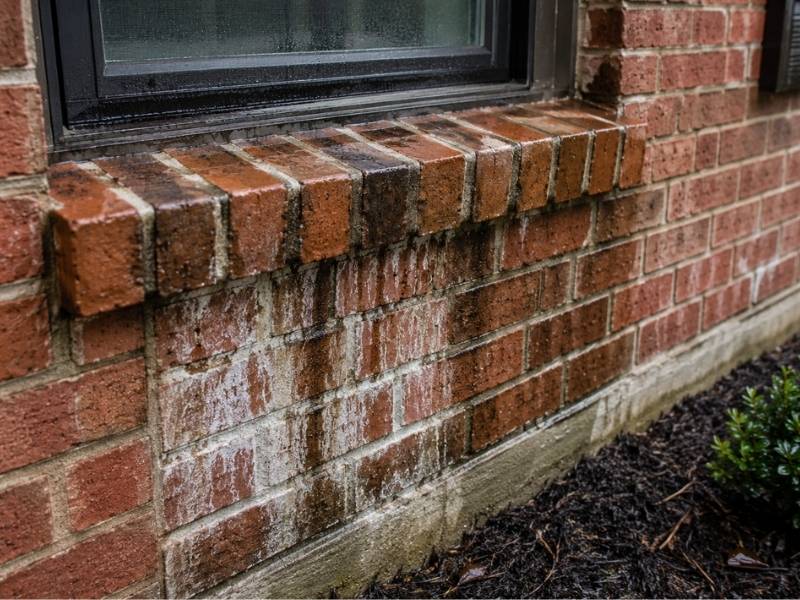
Brick window sill showing moisture staining and water damage caused by poor drainage and improper flashing details

Walk a finished brick wall and the window sills are where the first leaks show up. The sill is the one ledge on the wall that catches water and holds it. Rain runs down the glass, hits the sill and sits there. That’s why so many brick masonry problems start at the sill and spread into the wall below. For developers, the good news is that almost all of it traces back to a few install details you control. Get the sill right and you skip the callbacks.

Why the Sill Is the First Place Water Wins

A window sill is a horizontal shelf. Every other part of a brick wall is vertical, so water runs off it. The sill is the exception. It collects the water that sheets down the window and the wall above.

Most brick sills are built as a rowlock, which is a row of bricks stood on edge and tilted. That look is fine, but it means the sill is a line of separate bricks with mortar joints between each one. Those joints are the weak point. Water works through them, and once it’s under the sill, it’s inside the wall, not outside. The sill also sits right over the wall below, so anything that leaks through drains straight into the part of the wall you most want to keep dry.

The Three Build Mistakes That Cause It

Most sill trouble comes down to three details that get skipped or rushed during the build. None of them are hard. All of them are easy to miss.

The sill has no slope

A sill is supposed to tilt water away from the building. The Brick Industry Association says a brick sill should slope at least 15 degrees down and away, and stick out at least an inch past the face of the wall. A flat or barely tilted sill does the opposite. Water pools on it, sits in the joints and soaks in. That standing water is what starts the damage.

There’s no drip under the front edge

Water is sneaky. When it runs off the front of a sill, it can curl back along the underside and crawl right back to the wall. A drip stops that. On a sloped brick sill the drip is just the lower front corner, set out at least an inch from the wall face. Skip it and the water you thought you shed comes straight back into the brick.

The flashing and end dams are wrong or missing

Behind the sill sits a layer of flashing. Its job is to catch any water that gets through and send it back outside. For it to work, the ends have to turn up at least an inch to form end dams. Those dams stop water from running off the sides of the flashing and into the wall. Miss them and the flashing funnels water into the exact place you’re trying to protect. This one hides. Once the brick is laid, nobody can see whether the end dams are there.

The Window Joint Nobody Re-Checks

There’s a seam between the window frame and the brick. That seam gets filled with sealant, and sealant doesn’t last forever. It dries out, shrinks and cracks on a schedule. Once it splits, water runs behind the sill and into the wall.

A second layer helps here. A pan flashing set under the window catches water that sneaks past the frame or the joint and drains it back out onto the sill. The sealant joint should also stay clear of mortar for the full depth of the brick, so water has a clean path out instead of getting trapped. Builders who add the pan flashing stop a leak that would otherwise show up years later as a stain on the inside wall.

What to Check Before the Brick Closes In

This is the part that saves you money. Every fix above happens before the wall is finished. Once the brick is up, none of it is visible, and none of it is cheap to correct.

  • Confirm the sill slopes at least 15 degrees and projects at least an inch past the wall face.
  • Check that a drip sits under the front edge, set back at least an inch from the wall.
  • Make sure the sill flashing runs past both sides of the window and turns up at least an inch at each end to form end dams.
  • Add a pan flashing under the window to catch leaks from the frame or the joint.
  • Keep the sealant joint clean, full depth and free of mortar.

Five checks. A few minutes each. They decide whether the wall stays dry for thirty years or leaks in three.

Why This Falls on the Builder

Sill leaks are quiet at first. The wall looks perfect at closing. The flashing and end dams are buried where no inspector and no buyer will ever see them. Two or three years later a damp stain shows up on the inside wall, or the brick under the sill starts to flake, and now it’s a warranty call.

Fixing a bad sill means pulling brick, replacing flashing and rebuilding the detail. That costs real money, and it lands on whoever built it. Doing it right the first time costs minutes at install. The sill is a small piece of the wall, but it’s the one that decides how dry the rest of it stays.

Frequently Asked Questions

Why do window sills leak before the rest of a brick wall?

The sill is the only horizontal surface on the wall, so it catches and holds water instead of shedding it. Most sills are also built from separate bricks with mortar joints that water can work through. That combination makes the sill the first spot to leak.

How much should a brick window sill slope?

A brick sill should slope at least 15 degrees down and away from the building. It should also stick out at least an inch past the wall face so water drips clear. A flat sill holds water and lets it soak into the joints.

What are end dams and why do they matter?

End dams are the upturned ends of the flashing under a sill, bent up at least an inch. They stop water from running off the sides of the flashing and into the wall. Without them, the flashing sends water into the brick instead of out of it.

Can a sill leak even if the brick looks fine?

Yes. The parts that fail, the flashing and end dams, are hidden inside the wall. A sill can look perfect from outside while water runs in behind it. The damage shows up later as an inside stain or flaking brick under the sill.

How often should the sealant around a window be checked?

Sealant has a limited life and cracks as it ages, so check it every few years and after hard weather. Cracked or missing sealant lets water slip behind the sill. Resealing early is cheap next to repairing a wet wall.
Posted in Brick Mason | Tagged brick mason, brick masonry, brick masonry problems, masonry contractor

Retaining Wall Failure: Why They Lean and Crack

Madison Brick & Stone Posted on June 10, 2026 by madisonBSJune 3, 2026

A retaining wall looks solid the day it goes in. Then a few years pass. You notice a slight lean. A crack runs along the mortar. A section starts to bow outward. Retaining wall failure rarely happens overnight. It builds slowly, and by the time most homeowners notice it, the problem has been developing for months or longer. Understanding why walls fail helps you catch the warning signs early and avoid a repair bill that’s several times larger than it needed to be.

What a Retaining Wall Is Actually Fighting

A retaining wall holds back soil. That sounds simple, but the forces involved are constant and significant.

Soil pushes outward against the back of the wall all day, every day. Rain adds weight to that soil. Clay-heavy soil expands when wet and contracts when dry, which creates a push-pull cycle that never stops. Tree roots grow into the base or the wall joints and add pressure from directions the original build never accounted for.

A well-built retaining wall is designed to handle all of that. A wall with poor drainage, a weak base, or inadequate mass behind it is working against forces it was never equipped to manage. Most homeowners only think about retaining wall repair after visible damage appears, but the stress that causes that damage starts long before anything shows on the surface.

The Most Common Causes of Retaining Wall Failure

Poor drainage behind the wall

This is the leading cause of retaining wall failure, and it’s the one most people don’t think about until something goes wrong.

Water needs somewhere to go. When soil behind a retaining wall becomes saturated, the hydrostatic pressure against the wall increases sharply. A wall built to hold back dry soil is suddenly fighting the weight of waterlogged ground. That extra pressure is what causes leaning and eventual collapse.

Properly built retaining walls include a gravel drainage layer behind the wall, weep holes that allow water to escape through the face, and sometimes a perforated drainage pipe at the base. When those systems are missing, undersized, or blocked by debris, water has no exit. Pressure builds. The wall moves.

Inadequate base and footing

A retaining wall sitting on soft or unstable ground has no future. The footing needs to reach below the frost line in cold climates and needs to bear on stable, compacted soil. When the base shifts, the wall shifts with it.

This failure type shows up as settling, cracking at the base, or sections that sink unevenly. The wall may look fine from the top but show visible gaps or separations at ground level.

Soil pressure the wall wasn’t designed for

Most residential retaining walls are designed for a specific height and a specific type of soil load. When someone adds fill dirt behind an existing wall, builds a new structure nearby, or parks heavy equipment close to the wall, the load increases beyond what the original design anticipated.

Taller walls face significantly more pressure than shorter ones. A wall that’s two feet high handles a fraction of the lateral pressure that a four-foot wall does. When homeowners extend a wall’s height without reinforcing the base and adding proper drainage, they’re asking a structure designed for one load to carry a much larger one.

Clay soil and seasonal movement

Clay soil is particularly hard on retaining walls. It expands when wet and shrinks when dry. That cycle applies and releases pressure against the back of the wall repeatedly across every season. Over years, that repeated movement wears on mortar joints, shifts individual blocks or bricks, and eventually causes visible cracking and leaning.

Sandy or well-draining soil behind a retaining wall behaves far more predictably. Clay soil is the reason drainage becomes even more critical in certain regions.

Root intrusion

Tree roots follow moisture. The soil behind a retaining wall often stays wetter than surrounding areas, which makes it an attractive path for roots. Once roots get into mortar joints or under a footing, they create continuous pressure as they grow. A root that’s an inch in diameter today will be four inches in five years.

The damage is usually slow and easy to miss until a section of wall visibly shifts.

Warning Signs to Watch For

Retaining wall problems give signals before they become failures. The signs worth watching:

  • A visible lean or tilt away from the retained soil
  • Horizontal cracks running along the wall face
  • Stair-step cracking following mortar joints in brick or block walls
  • Bulging sections where the wall face bows outward
  • Soil spilling through weep holes or gaps
  • Water pooling at the base of the wall after rain instead of draining away
  • Sections that have shifted or dropped relative to adjacent sections

Any one of these warrants a closer look. Two or more together suggest the wall needs professional assessment soon.

Repair or Rebuild: How to Tell the Difference

Not every leaning or cracking retaining wall needs to be torn out and rebuilt. The decision depends on what caused the failure and how far along the damage is.

Drainage problems caught early are often fixable without rebuilding. Installing or clearing weep holes, adding a drainage layer, and regrading the area behind the wall can relieve pressure and stop further movement.

Walls that have leaned more than one inch per foot of height, walls with structural cracks at the base, and walls where the footing has shifted are generally candidates for rebuild rather than repair. Patching the face of a wall that has a compromised foundation doesn’t fix the problem. It delays it.

A masonry contractor can assess whether the wall has moved beyond repair by checking the footing, testing the drainage, and evaluating the extent of cracking. Getting that assessment early is almost always cheaper than waiting.

What Proper Construction Looks Like

A retaining wall built to last includes a few things that cheaper installations skip.

The footing goes below the frost line and bears on undisturbed or properly compacted soil. A gravel drainage layer sits directly behind the wall for the full height. Weep holes appear at regular intervals near the base, typically every four to six feet. For taller walls, a perforated drain pipe runs along the base of the gravel layer and directs water away from the structure.

Walls over four feet in height typically need engineering input, deadman anchors or geogrid reinforcement, and a more substantial footing than a shorter garden wall. Skipping those elements to cut costs is where most long-term failures begin.

Frequently Asked Questions

What is the most common cause of retaining wall failure? 

Poor drainage is the leading cause. When water builds up behind a retaining wall with no outlet, hydrostatic pressure increases sharply and pushes the wall outward. Most retaining wall failures can be traced back to missing, blocked, or undersized drainage systems behind the wall.

Can a leaning retaining wall be fixed without rebuilding? 

Sometimes. If the lean is minor and the cause is drainage-related, fixing the drainage and relieving pressure can stop further movement. Walls that have shifted significantly, have cracked footings, or have moved past structural tolerance typically need to be rebuilt rather than repaired.

How much lean is too much for a retaining wall? 

A general rule used by masonry contractors is that a lean greater than one inch per foot of wall height signals a structural problem that needs professional attention. Smaller lean angles may still warrant inspection if they’re getting progressively worse.

How long should a retaining wall last? 

A well-built brick or stone retaining wall with proper drainage should last 40 to 100 years. Walls with drainage problems, inadequate footings, or poor construction can show failure signs within five to ten years.

Does clay soil make retaining wall failure more likely? 

Yes. Clay soil expands when wet and contracts when dry, which applies repeated lateral pressure against the back of a retaining wall across every weather cycle. That movement accelerates cracking and joint deterioration compared to sandy or well-draining soil.

Posted in Brick | Tagged brick masonry, brick masonry problems, masonry contractor, stone masonry

What Does a Brick Mason Do? A Homeowner’s Guide 

Madison Brick & Stone Posted on May 14, 2026 by madisonBSMay 14, 2026
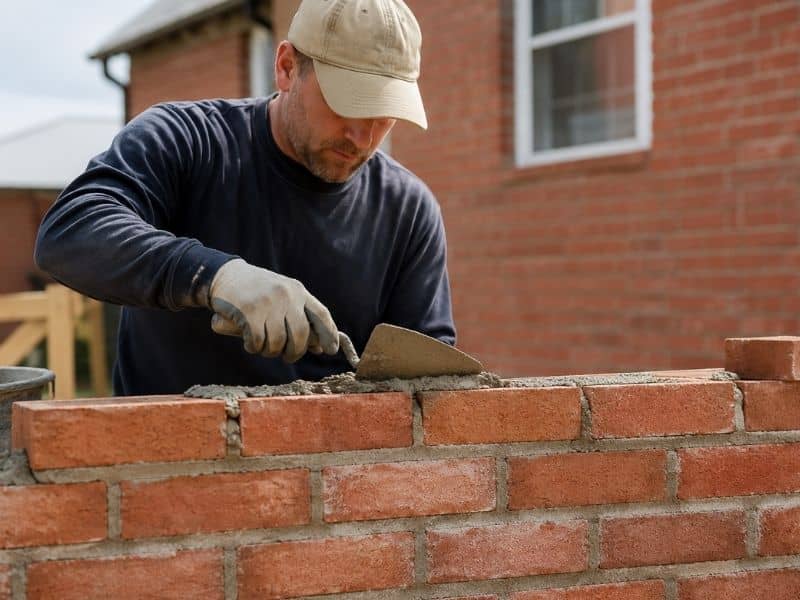
Professional brick mason laying bricks and applying mortar during a residential home construction project

If you have cracked brickwork or want to add a patio or fireplace to your home, you may be asking what a brick mason actually does. A brick mason is a trained professional who works with brick, stone, concrete block, and mortar. They build and repair structures that are designed to last for many years. From the outside walls of your home to a stone pathway in your backyard, masonry work is all around us. Understanding what a brick mason does helps you make smarter choices about your home.

What Is a Brick Mason?

A brick mason is a trained construction worker who lays, repairs, and restores brick, stone, and concrete blocks. They mix mortar, set bricks in place, and finish surfaces to a professional standard. Most brick masons train for 3 to 4 years before working on their own.

A brick mason is not just someone who stacks bricks. The job takes real skill. Masons need to understand how materials hold up in different weather, how to mix mortar correctly, and how to keep walls level and strong.

You may also hear the terms bricklayer, stone mason, and masonry contractor. Here is what each one means:

  • Brick mason or bricklayer – Works mainly with clay brick and concrete block
  • Stone mason – Specializes in natural and manufactured stone
  • Masonry contractor – A broader term that covers both brick and stone work

What Services Does a Brick Mason Provide?

Brick masons offer many services including new brick construction, mortar repair, tuckpointing, fireplace and chimney work, patios, retaining walls, outdoor kitchens, and mailboxes. They handle both small repairs and large new projects for homeowners.

Brick Laying and New Construction

Brick masons build new structures from the ground up. This includes exterior brick walls, interior accent walls, brick columns, gate pillars, and garden walls. They follow specific patterns, called bonds, to make sure each structure is strong and looks neat.

Mortar Repair and Brick Replacement

Brick is one of the strongest building materials you can use. A single brick can last over 100 years. Mortar, which is the material between bricks, wears out faster. It usually needs replacing after 25 to 30 years. Common repair services include filling cracks, replacing broken bricks, and fixing loose mortar joints.

Tuckpointing and Repointing

These two services are often confused. Here is the simple difference:

  • Repointing means removing old, worn mortar and replacing it with fresh mortar to keep the wall strong and sealed.
  • Tuckpointing is a finishing method that uses two colors of mortar to make the joints look clean and precise. It works as both a repair and a decorative technique.

Both services protect your home from water getting into the wall. Skipping them can lead to much bigger and more costly problems down the road.

Fireplace and Chimney Work

A brick mason can build or repair indoor and outdoor fireplaces and chimneys. This includes building new brick or stone fireplaces, repairing fireboxes and hearths, repointing chimney joints, and replacing chimney caps and crowns.

Fireplace and chimney work should always be done by a licensed professional. Poor repairs can create serious safety risks, including fire hazards.

Outdoor Living Projects

Many homeowners hire brick masons to improve their outdoor spaces. Popular projects include brick and stone patios, outdoor kitchens with built-in grills, outdoor fireplaces, and brick or stone mailboxes. These projects add both beauty and value to your property.

Retaining Walls and Walkways

Brick masons also build retaining walls, which hold back soil on slopes and hillsides. They can install brick or stone steps, garden walls, raised garden beds, and pathways throughout your yard.

When Should You Call a Brick Mason?

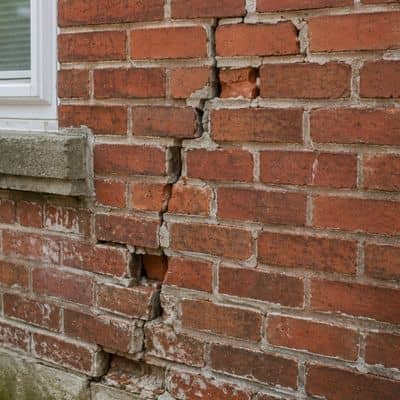
Exterior brick wall with cracked bricks and deteriorating mortar showing signs that masonry repair may be needed

You should contact a brick mason when you notice any of these issues:

  • Mortar that is crumbling or missing between bricks
  • Cracks running through a brick wall or chimney
  • Bricks that are flaking or breaking on the surface
  • White powder or staining on your brick walls
  • Walls that appear to be leaning or bowing outward

The sooner you call, the less the repair will cost. A simple repointing job may cost a few hundred dollars. If the problem is left too long, the same issue can cost thousands to fix.

How Much Does a Brick Mason Cost?

Costs depend on the type of project, your location, and the materials used. These are general price ranges to help you plan:

ServiceTypical Cost
Repointing or tuckpointing$500 to $2,500
Crack repair$300 to $1,500
Chimney repointing$500 to $2,500
New brick fireplace$3,500 to $10,000+
Brick patio (per square foot)$15 to $30
Outdoor kitchen$5,000 to $20,000+
Retaining wall (per square foot)$20 to $50
Brick or stone mailbox$800 to $3,500

Always get at least two or three written quotes before choosing a contractor.

What to Look for When Hiring a Brick Mason

Not every mason delivers the same quality of work. Before you hire, check for these things:

  • A valid contractor’s license and insurance
  • Photos of past projects similar to yours
  • References from customers in your local area
  • A written estimate with clear pricing and details
  • A warranty on the labor and finished work

Frequently Asked Questions

How long does brick masonry work last? 

Brick can last 100 years or more when properly installed and maintained. Mortar joints typically need replacing every 25 to 30 years.

Can a brick mason fix just a few damaged bricks? 

Yes. Most masons are happy to take on small repair jobs, including replacing individual bricks or patching isolated cracks.

Is brick more expensive than wood or vinyl siding?

Brick costs more upfront. However, it lasts much longer and needs very little ongoing maintenance, which saves money over the long term.

What is the difference between a brick mason and a stone mason? 

A brick mason works mainly with clay brick and concrete block. A stone mason works mainly with natural or cultured stone. Many masonry contractors are skilled in both materials.

How do I know if my mortar needs replacing? 

Look for cracks, gaps, or powder between your bricks. If mortar crumbles when you press it lightly, it is time to call a mason for a repointing inspection.

Posted in Brick Mason | Tagged brick mason, bricklayer, masonry contractor

© Copyright Madison Brick & Stone
Madison, Alabama ​35758
Phone: (256) 270-2702

Privacy Policy | Terms of Use

Web Development and SEO by: AuburnBusiness.com

The owner of this website, AuburnBusiness, LLC, provides marketing for local skilled labor businesses in the Huntsville and Madison, AL area.

↑