↓
 

Madison Brick & Stone

Brick & Stone Masons in Madison, AL

Madison Brick & Stone
  • Home
  • Brick Masonry
  • Stone Masonry
  • Indoor Fireplaces
  • Outdoor Fireplace
Home→Tags stone masonry 1 2 >>

Tag Archives: stone masonry

Post navigation

← Older posts

How to Choose the Right Stone Pavers

Madison Brick & Stone Posted on June 1, 2026 by madisonBSMay 27, 2026

Stone pavers can change the look and feel of an outdoor space. The wrong choice can lead to cracks, uneven surfaces, or extra costs later. The right choice fits the space, handles daily use, and lasts for years. Picking stone pavers is not just about color. Material, size, finish, and use all matter.

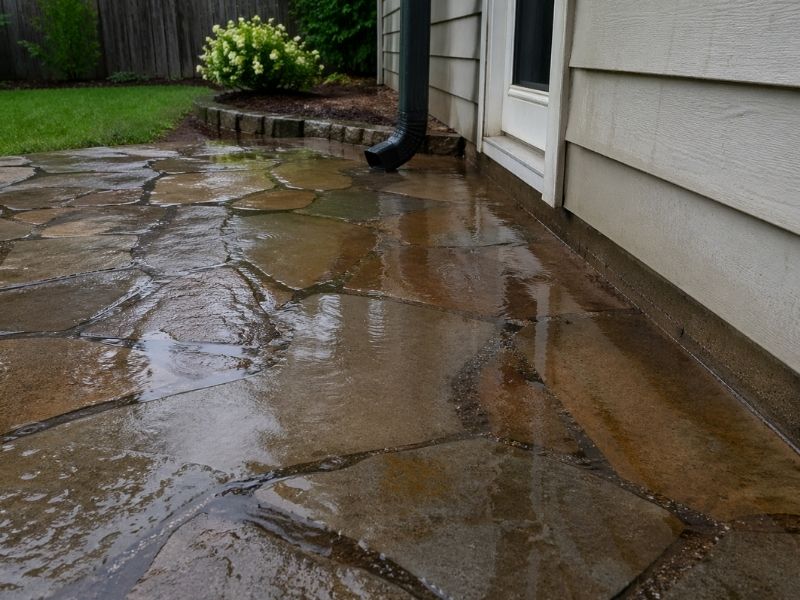
Wet natural stone pavers beside a home showing water runoff and drainage after heavy rain

What Are Stone Pavers and Why Do Homeowners Use Them?

People use stone pavers for walkways, pool areas, outdoor seating spaces, driveways, and entry points. They come in different materials and each one has strengths and weak spots.

A stone that works well around a pool may not be the best fit for a driveway. A paver that looks great in photos may become slippery after rain.

The goal is simple. Match the stone to the job.

Start With the Purpose of the Space

Homeowners often compare different stone hardscape options before choosing materials for walkways, seating areas, and outdoor gathering spaces.

Ask these questions:

  • Will people walk on it every day?
  • Will vehicles drive over it?
  • Will children play in the area?
  • Will the space stay in direct sun?
  • Does the area collect water after rain?

These answers narrow your options fast.

Walkways and Entry Areas

Walkways need comfort and grip. Smooth stones can become slick.

Good options:

  • Bluestone
  • Flagstone
  • Travertine
  • Textured limestone

Driveways

Driveways take weight and pressure.

Good options:

  • Granite
  • Thick concrete pavers
  • Dense natural stone

Thin decorative pavers often fail here.

Types of Stone Pavers Homeowners Commonly Choose

Every material acts differently.

Travertine

Travertine stays cooler than many materials. That makes it common around pools and outdoor seating spaces.

Pros:

  • Cooler underfoot
  • Natural appearance
  • Slip resistant options available

Cons:

  • Can stain without sealing
  • Needs upkeep

Flagstone

Flagstone gives a natural and relaxed look.

Pros:

  • Unique appearance
  • Different shape options
  • Good traction

Cons:

  • Irregular installation layout
  • Higher labor cost

Granite

Granite is tough.

Pros:

  • Handles heavy traffic
  • Strong surface
  • Long lifespan

Cons:

  • Higher material cost
  • Can feel hot in direct sun

Limestone

Limestone works well for clean and simple designs.

Pros:

  • Soft appearance
  • Light color choices
  • Good for outdoor spaces

Cons:

  • Can scratch easier than granite

Size Matters More Than People Think

Large pavers create a cleaner look.

Smaller pavers create more visual detail.

Large pieces may reduce joint lines. That helps create a modern style.

Small pieces may work better in curved spaces.

Do not choose based only on photos. A paver that looks great online may look too busy in a real yard.

Pay Attention to Surface Texture

Texture changes safety.

Smooth surfaces often look great. Wet surfaces tell a different story.

Areas near water need grip.

Look for:

  • Tumbled finishes
  • Textured surfaces
  • Natural cleft finishes
  • Non-slip ratings

Shiny surfaces often become a problem outdoors.

Think About Maintenance Before Buying Stone Pavers

Many people focus on appearance and forget upkeep.

Ask:

  • Does it need sealing?
  • How often?
  • Does it stain easily?
  • Can weeds grow between joints?

Natural stone usually needs more care than manufactured products.

Some homeowners love the look and do not mind extra work.

Others regret the choice later.

Color Choice Can Affect Heat

Dark colors absorb more heat.

Lighter colors stay cooler.

This matters around:

  • Pools
  • Outdoor kitchens
  • Seating areas
  • Spaces used during summer

A dark stone may look great but feel too hot to walk on.

Don’t Ignore Drainage

Drainage problems ruin outdoor projects.

Water should move away from structures and walkways.

Poor drainage can cause:

  • Standing water
  • Surface shifting
  • Uneven areas
  • Long-term damage

Good installation matters as much as the paver itself.

Work With a Mason Before Making Final Decisions

Samples help.

Photos help.

Seeing pavers in person helps more.

Experienced masonry contractors often spot problems before installation starts. They can explain what works and what usually causes trouble.

That can save money and frustration later.

Frequently Asked Questions

How long do stone pavers last?

Natural stone pavers can last for decades when installed correctly and maintained.

Do stone pavers need sealing?

Some materials benefit from sealing. Travertine and limestone often receive added protection.

Which stone pavers stay cooler?

Travertine is known for staying cooler under direct sun.

Are stone pavers slippery?

Some smooth surfaces become slick when wet. Texture matters.

Which stone paver works best for driveways?

Granite and heavy-duty pavers handle vehicle traffic better than lighter materials.

Posted in Brick | Tagged stone masonry, stone pavers

Stone Patio Ideas: Popular Layouts, Patterns, and Designs

Madison Brick & Stone Posted on May 28, 2026 by madisonBSMay 27, 2026
Stone patio with an outdoor kitchen, seating area, and backyard entertainment space surrounded by landscaping

Stone patio choices go far beyond picking a material you like the look of. The layout and pattern you choose affects how the yard flows, how much the project costs, and how the finished surface holds up over time. Before picking materials or calling a mason, it helps to know what your options actually look like.

Here is a breakdown of the most popular stone patio layouts, patterns, and designs.

What Makes a Stone Patio Layout Work

A good layout does two things. It fits the shape of your yard, and it supports how you plan to use the space.

A patio used mainly for seating needs different dimensions than one built around an outdoor kitchen or fire pit. A narrow side yard calls for a different shape than a wide open backyard.

Three basic shapes work for most residential patios:

Rectangular or square layouts are the most common. They are straightforward to install, easy to furnish, and tend to cost less in labor because cuts are minimal.

L-shaped layouts work well for corner spaces or yards where you want to separate a dining area from a lounge area without building two separate patios.

Freeform layouts follow the natural curves of the yard. They look less formal and work well in gardens with irregular shapes. They take more time to install because every edge cut is different.

Popular Stone Patio Patterns

The pattern you choose changes the entire look of a patio. Some patterns suit natural stone better. Others work best with cut stone or pavers.

Running Bond

This is the most recognizable pattern. Stones are laid in rows with each joint offset by half a stone. It reads clean and structured. Most homeowners recognize it from brick sidewalks and driveways.

Running bond works well for rectangular patios and long narrow spaces. It draws the eye in a single direction, which can make a space feel longer.

Stacked Bond (Grid Pattern)

Stones are aligned in straight rows both horizontally and vertically. The joints line up. This gives a more formal, geometric look.

It works best with precisely cut stone. Irregular or natural flagstone does not suit this pattern well because small size variations make straight alignment difficult.

Herringbone

Stones are set at 45-degree or 90-degree angles in a zigzag pattern. Herringbone handles foot traffic well because the interlocking angles distribute weight evenly across the surface. That makes it a strong choice for high-use areas.

It takes more cuts and more time to install than running bond. Expect the labor cost to reflect that.

Ashlar (Random Rectangular)

Ashlar uses rectangular stones of different sizes placed together with no repeating pattern. The joints stay straight but the stone sizes vary. It looks planned but not rigid.

This is one of the most popular patterns for natural stone patios. It suits flagstone and bluestone well and gives a clean look without the uniformity of a grid.

Irregular Flagstone

Stones are cut or sourced in irregular shapes and fitted together like a puzzle. Joints are not straight. No two sections look the same.

This pattern suits rustic or garden-style yards. The installation requires more skill because each piece has to be shaped and fitted by hand. Gaps between stones are typically filled with gravel, sand, or ground cover plants.

Stone Patio Design Ideas by Use

The way you use the patio should drive the design as much as personal taste.

For dining and entertaining: A rectangular layout with a flat ashlar or running bond pattern gives you a stable, level surface that works well under tables and chairs. Natural stone like bluestone or granite holds up under furniture weight without cracking.

For a garden or relaxed setting: An irregular flagstone layout with planted joints fits better here. The organic look blends into landscaping more naturally than a rigid grid.

For pool surrounds: Smooth-cut stone in a running bond or stacked pattern works well. Travertine and granite are popular choices because their natural texture reduces slip risk when wet. A stone patio can last up to 100 years with proper installation and periodic sealing.

For walkways and transitions: A narrower herringbone or running bond strip connecting the house to the patio creates a finished look and protects the lawn from foot traffic.

What to Think About Before You Commit

Three things affect which pattern is practical for your project.

Stone type. Irregular natural stone does not suit grid patterns. Cut stone or concrete pavers work better for geometric layouts. Make sure the pattern matches the material.

Base preparation. Every stone patio needs a properly compacted gravel base and a sand layer for drainage and leveling. Skipping or rushing this step causes stones to shift, sink, or crack regardless of which pattern is on top. A standard base uses 6 inches of gravel and 1 inch of sand beneath the stone layer.

Slope and drainage. A patio that does not drain properly holds water against the house or turns into a puddle after every storm. The surface should slope away from any structures at a rate of about 1/8 inch per foot.

A mason will assess all three before laying a single stone. If yours does not, that is worth asking about before work starts. Look for someone experienced in masonry work who can evaluate your base, drainage, and slope before committing to a pattern. A mason will assess all three before laying a single stone. If yours does not, that is worth asking about before work starts.

Frequently Asked Questions

What is the most popular stone patio pattern? 

Running bond and ashlar (random rectangular) are the two most common patterns for residential stone patios. Running bond suits cut stone and pavers. Ashlar works well with natural flagstone and bluestone.

How long does a stone patio last? 

A properly installed stone patio can last up to 100 years. The stone itself is rarely the problem. Base preparation and drainage determine how long the surface stays level and crack-free.

What stone type is best for a patio? 

Granite and slate are among the most durable options for outdoor patio surfaces. Bluestone is popular for its appearance and durability. Travertine works well in warmer climates. Porous stones like limestone are less suited to areas with heavy rain or freeze-thaw cycles.

Does the pattern affect the cost? 

Yes. Herringbone and irregular flagstone patterns require more cuts and more installation time than running bonds or stacked bonds. More complex patterns increase labor costs.

How thick should patio stones be? 

Most patio stones should be at least 1.5 to 2 inches thick. Thinner stones crack more easily under furniture weight and foot traffic. Natural flagstone is often 1.5 to 2.5 inches thick depending on the stone type.

Posted in Brick | Tagged stone masonry, stone patio

Mistakes Homeowners Make When Planning an Outdoor Fireplace

Madison Brick & Stone Posted on May 25, 2026 by madisonBSMay 22, 2026
Outdoor fireplace planning layout with stone samples, design plans, and a completed backyard masonry fireplace and fire pit area

Most homeowners spend weeks choosing the right look for their outdoor fireplace. They pick out stone samples, browse photos and debate finishes. Few spend even an hour asking whether they’re actually allowed to build one.

That’s the real problem. The planning phase is where most outdoor fireplace projects go wrong, and by the time the mistakes show up, the structure is already built.

Catching these mistakes before construction starts is much cheaper than fixing them after.

Skipping the Permit Process

This is the most common mistake. It’s also the most expensive one to fix after the fact.

Most local governments require a permit for any permanent outdoor fireplace. Build without one and you risk fines, failed inspections or being forced to tear the whole thing down. Some homeowners also find that their HOA has separate restrictions on top of local building codes.

The permit process isn’t just red tape. It tells you what materials are allowed, how far the fireplace needs to sit from property lines and neighboring structures and what fuel types are approved in your area.

What to Do Before You Break Ground

Before you buy materials or hire anyone, find out what’s required. An outdoor fireplace builder can help you sort through local permit requirements before work begins. 

Putting the Fireplace in the Wrong Place

Location affects more than how the fireplace looks. It affects how safe it is and whether you’ll actually enjoy using it.

Smoke follows the wind. If you place the fireplace where wind blows toward the house or the seating area, every fire becomes a smoke problem. Low spots in the yard trap smoke instead of letting it rise. Corners near fences block airflow and make the same issue worse.

Placement too close to wooden fences, overhanging trees or the house itself creates a fire risk that no amount of good construction can fix.

How to Find the Right Spot

Spend time in the yard at different times of day before deciding on a location. Watch how the wind moves through space. Most local codes require at least 10 feet of clearance from any structure, but confirm that distance with your local building department since requirements vary.

Using the Wrong Materials for Outdoor Use

What holds up inside a home doesn’t always survive outside. Standard brick and mortar absorb water. In climates with cold winters, that water freezes, expands and cracks the masonry from the inside out.

Some decorative stones look great but aren’t rated for direct heat exposure. Metal components that aren’t finished for outdoor use will rust within a season or two. Using indoor fireplace components outside voids warranties and creates real safety concerns.

The firebox and surrounding structure need materials built for both heat and weather. Refractory mortar is rated for temperatures up to 2,000 degrees Fahrenheit. Standard mortar isn’t even close to that range.

Ignoring Foundation Requirements

A full masonry outdoor fireplace can weigh several thousand pounds. Most homeowners don’t account for that.

An existing patio slab isn’t designed to carry that load. Without a proper foundation, the fireplace will shift as the ground moves with moisture and temperature changes. Cracks follow. Then structural failure.

What a Proper Foundation Looks Like

The standard is a reinforced concrete footing, typically 6 to 8 inches thick, poured separately from the existing patio slab. The soil beneath it also matters. Clay-heavy soil expands and contracts with moisture. A professional needs to assess load-bearing capacity before anything gets built on top of it.

Skipping this step is the most common reason outdoor fireplaces crack within the first few years.

Getting the Chimney Height Wrong

A chimney that’s too short pushes smoke back down into the seating area. Most homeowners don’t figure this out until the first fire of the season.

The standard rule is that the chimney should sit at least 2 feet above anything within 10 horizontal feet of the structure. That includes rooflines, pergolas and tree canopies.

A flue that’s sized incorrectly, either too wide or too narrow, affects how well the chimney draws smoke up and away. No flue liner in a masonry chimney is a fire risk. A chimney cap keeps out rain, debris and animals and is not optional for an outdoor build.

Underestimating the Full Cost

Early estimates tend to leave things out. Permit fees, foundation work and site preparation are often missing from the first quote a homeowner receives. Add-ons like a gas line, outdoor lighting or a surrounding patio extension add up fast.

Ongoing costs matter too. Mortar joints need attention over time. The chimney needs cleaning. These aren’t huge expenses on their own, but homeowners who don’t plan for them are usually surprised when they arrive.

Forgetting About Maintenance Access

A fireplace that’s hard to clean tends to get ignored. An ignored fireplace becomes a safety problem.

Ash cleanout doors and chimney access panels should be part of the design from the start, not added later. Decisions made during the planning phase directly affect how easy or difficult maintenance becomes over the next 20 years.

Frequently Asked Questions

Do I need a permit to build an outdoor fireplace?

In most areas, yes. Permanent outdoor structures typically require a building permit. Rules vary by location, so check with your local building department before starting any work.

How far does an outdoor fireplace need to be from my house? 

Most local codes require at least 10 feet from any structure. Some areas require more. Confirm the exact distance with your local building department before choosing a spot.

Can I build an outdoor fireplace on an existing patio? 

It depends on the slab’s thickness and condition. Most existing patios aren’t built to support the weight of a masonry fireplace. A professional should assess the foundation before you commit to a location.

What materials work best for an outdoor fireplace? 

Fire-rated brick and refractory mortar are the standard choice for heat resistance and durability. The right materials also depend on your local climate and how the fireplace will be used through the seasons.

How often does an outdoor fireplace need maintenance?

A wood-burning fireplace should be inspected once a year. Check the mortar joints, chimney cap and firebox for cracks or wear after each winter season.

Posted in Brick | Tagged brick masonry, stone masonry

Post navigation

← Older posts

© Copyright Madison Brick & Stone
Madison, Alabama ​35758
Phone: (256) 270-2702

Privacy Policy | Terms of Use

Web Development and SEO by: AuburnBusiness.com

The owner of this website, AuburnBusiness, LLC, provides marketing for local skilled labor businesses in the Huntsville and Madison, AL area.

↑