↓
 

Madison Brick & Stone

Brick & Stone Masons in Madison, AL

Madison Brick & Stone
  • Home
  • Brick Masonry
  • Stone Masonry
  • Indoor Fireplaces
  • Outdoor Fireplace
Home - Page 1 1 2 >>

Post navigation

← Older posts

Brick Masonry Problems Homeowners Notice After Heavy Rain

Madison Brick & Stone Posted on May 18, 2026 by madisonBSMay 14, 2026
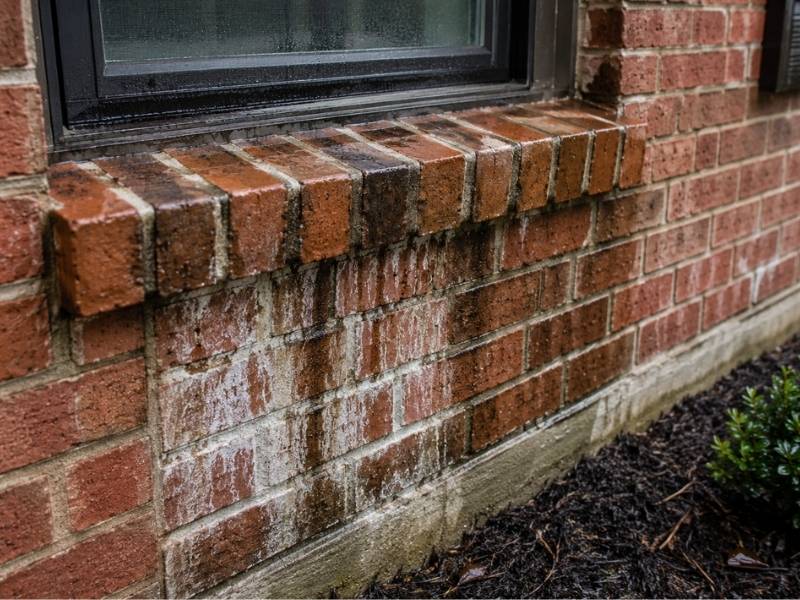
Wet brick home exterior after heavy rain showing white stains, moisture buildup, and water pooling near the foundation

Heavy storms can reveal issues that homeowners never noticed before. Brick masonry often looks strong and durable from the outside, but rain has a way of exposing weak spots that stay hidden during dry weather. After several days of heavy rain, you might suddenly notice white stains, damp areas, loose mortar, or changes in the appearance of your brickwork. Small warning signs can become larger problems if they are ignored.

In Madison, periods of strong rain can put extra stress on homes and outdoor masonry features. Water can collect near foundations, seep into tiny openings, and slowly create damage over time. Knowing what to look for can help homeowners catch issues early and avoid more expensive repairs later.

Why Does Brick Masonry Show Problems After Heavy Rain?

Heavy rain makes hidden brick problems easier to spot because water moves through areas that already have weaknesses. Small cracks, aging mortar joints, poor drainage, and trapped moisture become more visible after a storm.

Brick surfaces are designed to handle weather, but moisture can still find paths through weak points. According to masonry experts, water management systems such as drainage paths and weep holes help direct moisture away from structures. If these systems are blocked or if water pools around the home, brick surfaces can begin showing signs of stress.

Many homeowners assume rain only affects roofs and gutters. In reality, brick and stone surfaces can also reveal early signs of moisture problems.

What Brick Problems Should Homeowners Look For After Rain?

Close-up of a brick wall showing white stains, cracked mortar, and moisture damage being inspected after heavy rain

After heavy rain, homeowners should pay attention to changes that were not visible before the storm. Even small differences can signal hidden moisture issues.

Watch for these warning signs:

  • White powdery stains on brick surfaces
  • Cracked or missing mortar joints
  • Damp or darker sections of brick
  • Water pooling near masonry walls
  • Loose or shifting bricks
  • Brick discoloration
  • Small gaps forming around masonry features

These signs do not always mean major structural damage is happening. However, repeated exposure to moisture can gradually weaken materials over time.

The earlier these issues are found, the easier they are often to fix.

Are White Stains on Brick a Serious Problem?

White stains on brick are usually called efflorescence. This happens when water moves through brick and carries natural salts to the surface. Once the moisture evaporates, the salts remain behind as a white powdery residue.

The stain itself is not usually dangerous. The bigger concern is what the stain reveals.

Efflorescence often tells homeowners that moisture is repeatedly moving through the masonry. If the stains keep returning after cleaning, water may be entering from another source.

Common causes include:

  • Water collecting near the foundation
  • Poor drainage around the home
  • Small cracks allowing moisture inside
  • Areas that stay damp after rain

Some homeowners simply wash away the white residue and move on. If the moisture source remains, the same issue often comes back.

Why Do Mortar Joints Crack or Wash Out?

Mortar joints hold bricks together. Over time, age and moisture exposure can weaken these joints.

Repeated wet conditions can slowly wear away older mortar. Heavy rain may speed up damage that was already beginning. Small cracks can allow water to enter deeper into the masonry system.

Several factors can contribute to mortar damage:

Age and wear

Older homes naturally experience material breakdown over time.

Drainage problems

Water sitting near walls can increase moisture exposure.

Expansion and movement

Materials expand and contract during changing weather conditions.

Previous poor repairs

Using the wrong mortar materials during earlier repairs can create future problems.

Many homeowners only notice missing mortar after storms because wet surfaces make damaged areas easier to see.

When Should You Call a Mason After Heavy Rain?

Call a professional if signs continue appearing after multiple storms or if damage seems to be getting worse.

Some situations should not wait:

  • Loose bricks moving by hand
  • Deep gaps in mortar joints
  • Water entering interior walls
  • Leaning masonry sections
  • White stains repeatedly returning
  • Large areas of cracking

A trained brick mason can determine whether the issue is cosmetic or a sign of a deeper moisture problem.

Small repairs completed early are usually simpler than large repairs after years of water exposure.

How Can Homeowners Prevent Rain Related Masonry Damage?

Prevention often starts with water control around the home. Many masonry problems begin because water stays in places where it should not.

Homeowners can reduce future issues by:

  • Keeping gutters clean
  • Making sure downspouts direct water away from the house
  • Watching for standing water after storms
  • Checking brick surfaces each season
  • Addressing small mortar damage early
  • Scheduling inspections if recurring issues appear

Routine attention can help extend the life of masonry features and reduce costly surprises.

Heavy rain does not automatically mean serious damage. However, when brick surfaces suddenly look different after storms, it is often worth paying attention. Small clues can reveal larger moisture issues before they become harder and more expensive to repair.

Frequently Asked Questions

What causes white stains on brick after rain?

White stains are often caused by efflorescence. Water carries natural salts through the brick and leaves them behind when moisture evaporates.

Can heavy rain damage brick masonry?

Heavy rain itself may not directly damage brick, but it can expose weak mortar joints, drainage issues, and moisture problems already developing.

Is cracked mortar a serious problem?

Small cracks can grow over time. Once moisture enters, the damage can spread and lead to larger repairs.

How often should masonry be inspected?

A seasonal visual inspection is helpful, especially after strong storms or periods of heavy rainfall.

Posted in Masonry | Tagged brick inspection, brick masonry problems

Brick Masonry vs. Stone Masonry: What’s the Difference and Which Do You Need?

Madison Brick & Stone Posted on May 15, 2026 by madisonBSMay 14, 2026
Modern home exterior showing brick masonry on one side and natural stone masonry on the other with landscaping and walkway

Brick masonry uses manufactured clay or concrete bricks joined with mortar. Stone masonry uses natural or manufactured stone. Brick is usually more affordable and uniform in appearance. Stone offers a natural look and can last even longer. The right choice depends on your budget, your home’s style, and the type of project you are planning.

When planning a home improvement project, one of the first questions you will face is whether to use brick masonry or stone masonry. Both are strong, good-looking, and built to last. But they are different in several important ways. Understanding those differences will help you choose the right material for your home and your budget.

What Is Brick Masonry?

Brick masonry is a building method that uses manufactured clay or concrete bricks joined together with mortar. Bricks come in uniform sizes, which makes them easy to install and widely available. It is one of the most common building materials used in homes across the country.

Bricks are made by shaping and baking clay or a mix of concrete and other materials. Because they are manufactured, every brick is nearly the same size and shape. This makes them faster to lay and easier to source locally. Brick comes in many colors, from deep red to tan and brown, giving homeowners several options to match the look of their home.

Brick masonry is commonly used for:

  • Home exteriors and facades
  • Fireplaces and chimneys
  • Patios and walkways
  • Retaining walls
  • Mailboxes and decorative columns

What Is Stone Masonry?

Stone masonry is a building method that uses natural rock or manufactured stone, joined with mortar or stacked without it. Stone comes in many shapes, sizes, and colors. It has a natural, organic look that is difficult to replicate with other materials.

There are two main types of stone used in masonry:

  • Natural stone – Real rock cut or shaped from quarries. Common types include granite, limestone, sandstone, and fieldstone.
  • Manufactured stone – Concrete pieces shaped to look like natural stone. It is lighter in weight and usually costs less than real stone.

Stone masonry is commonly used for:

  • Home exteriors and accent walls
  • Fireplaces and hearths
  • Outdoor patios and steps
  • Garden walls and retaining walls
  • Landscape features and water features

Brick Masonry vs. Stone Masonry: Key Differences

Appearance

Brick has a clean, structured look. Its uniform shape gives walls a neat, consistent appearance that works well with both traditional and modern home styles.

Stone has a more natural, textured look. No two pieces are exactly alike, which gives stone structures a unique, handcrafted feel. Stone suits rustic, cottage, and craftsman home styles particularly well.

Cost

Brick is generally the more affordable option. Because bricks are made in large quantities, they are easy to find and consistent in price.

  • Brick materials: $6 to $10 per square foot
  • Brick installation: $10 to $20 per square foot

Natural stone costs more because it must be quarried, cut, and transported. Manufactured stone falls in the middle, costing less than real stone but slightly more than brick.

  • Natural stone materials: $15 to $30 per square foot
  • Manufactured stone materials: $8 to $15 per square foot

Durability

Both materials are extremely durable. Brick can last 100 years or more with proper care. Natural stone can last even longer. Some stone structures built hundreds of years ago are still standing today.

The main difference is how each material handles moisture and temperature changes. Brick is porous, meaning it absorbs water. In climates with freezing winters, that absorbed water can expand inside the brick and cause cracking over time. Stone is generally denser and handles moisture better, though this depends on the type of stone.

Maintenance

Brick needs regular mortar attention. Joints typically need repointing every 25 to 30 years. Brick surfaces can also develop white staining over time, which requires periodic cleaning.

Stone generally needs less maintenance. Natural stone is dense and slow to wear down. However, the mortar joints in stone walls still need attention over the years, and some stone types may need sealing to protect against staining and weather damage.

Best Uses by Project Type

ProjectBetter ChoiceReasonHome exteriorEitherDepends on style and budgetFireplaceEitherBoth perform well with heatPatioBrickUniform shape makes flat surfaces easierRetaining wallStoneHeavier weight improves stabilityMailbox or columnBrickEasier to build in precise shapesGarden or landscape wallStoneNatural look suits outdoor settingsOutdoor kitchenEitherComes down to personal preference

Which One Is Right for Your Home?

Choosing between brick and stone comes down to three things: your budget, your home’s style, and the specific project you have in mind.

Choose brick masonry if you:

  • Want a lower upfront cost
  • Prefer a clean, consistent look
  • Are working on a project that needs precise sizing
  • Live in an area where brick contractors are easy to find

Choose stone masonry if you:

  • Want a natural, one-of-a-kind appearance
  • Are willing to spend more for a premium finish
  • Are building something that blends into a garden or landscape
  • Want material that needs very little long-term care

If you are still unsure, a qualified masonry contractor can review your home and give a recommendation based on your style, local climate, and budget. Many projects also look great with a combination of both materials.

Frequently Asked Questions

Is brick or stone stronger? 

Both are very strong. Natural stone is denser and handles heavier loads well. Brick is strong enough for almost all standard home projects when properly installed.

Can I use both brick and stone in the same project? 

Yes. Many homeowners combine brick and stone for a custom, layered look. A skilled mason can blend both materials in a single design without any problem.

Which material adds more value to a home? 

Both add real value. Natural stone tends to have a higher perceived premium because of its unique look. Brick adds strong curb appeal and is well regarded for its durability and low maintenance over time.

Which material is easier to repair? 

Brick is generally easier to repair. Replacement bricks are uniform in size and easy to source. Matching natural stone for repairs can be harder, especially for older or less common stone types.

Does climate affect which material I should choose? 

Yes. In areas with very cold winters, denser stone types often handle freeze and thaw cycles better than brick. Ask a local mason which material performs best in your specific climate before making a decision.

Posted in Masonry | Tagged brick masonry, brick vs stone, stone masonry

What Does a Brick Mason Do? A Homeowner’s Guide 

Madison Brick & Stone Posted on May 14, 2026 by madisonBSMay 14, 2026
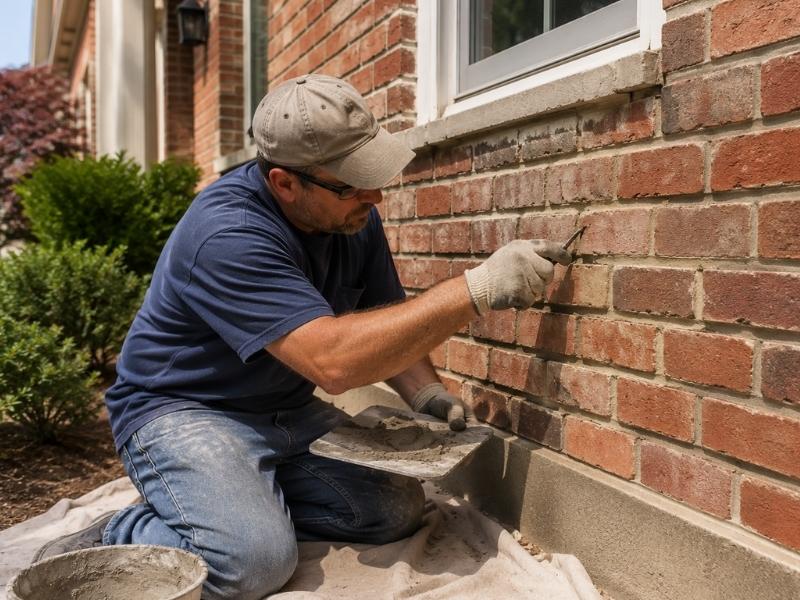
Professional brick mason laying bricks and applying mortar during a residential home construction project

If you have cracked brickwork or want to add a patio or fireplace to your home, you may be asking what a brick mason actually does. A brick mason is a trained professional who works with brick, stone, concrete block, and mortar. They build and repair structures that are designed to last for many years. From the outside walls of your home to a stone pathway in your backyard, masonry work is all around us. Understanding what a brick mason does helps you make smarter choices about your home.

What Is a Brick Mason?

A brick mason is a trained construction worker who lays, repairs, and restores brick, stone, and concrete blocks. They mix mortar, set bricks in place, and finish surfaces to a professional standard. Most brick masons train for 3 to 4 years before working on their own.

A brick mason is not just someone who stacks bricks. The job takes real skill. Masons need to understand how materials hold up in different weather, how to mix mortar correctly, and how to keep walls level and strong.

You may also hear the terms bricklayer, stone mason, and masonry contractor. Here is what each one means:

  • Brick mason or bricklayer – Works mainly with clay brick and concrete block
  • Stone mason – Specializes in natural and manufactured stone
  • Masonry contractor – A broader term that covers both brick and stone work

What Services Does a Brick Mason Provide?

Brick masons offer many services including new brick construction, mortar repair, tuckpointing, fireplace and chimney work, patios, retaining walls, outdoor kitchens, and mailboxes. They handle both small repairs and large new projects for homeowners.

Brick Laying and New Construction

Brick masons build new structures from the ground up. This includes exterior brick walls, interior accent walls, brick columns, gate pillars, and garden walls. They follow specific patterns, called bonds, to make sure each structure is strong and looks neat.

Mortar Repair and Brick Replacement

Brick is one of the strongest building materials you can use. A single brick can last over 100 years. Mortar, which is the material between bricks, wears out faster. It usually needs replacing after 25 to 30 years. Common repair services include filling cracks, replacing broken bricks, and fixing loose mortar joints.

Tuckpointing and Repointing

These two services are often confused. Here is the simple difference:

  • Repointing means removing old, worn mortar and replacing it with fresh mortar to keep the wall strong and sealed.
  • Tuckpointing is a finishing method that uses two colors of mortar to make the joints look clean and precise. It works as both a repair and a decorative technique.

Both services protect your home from water getting into the wall. Skipping them can lead to much bigger and more costly problems down the road.

Fireplace and Chimney Work

A brick mason can build or repair indoor and outdoor fireplaces and chimneys. This includes building new brick or stone fireplaces, repairing fireboxes and hearths, repointing chimney joints, and replacing chimney caps and crowns.

Fireplace and chimney work should always be done by a licensed professional. Poor repairs can create serious safety risks, including fire hazards.

Outdoor Living Projects

Many homeowners hire brick masons to improve their outdoor spaces. Popular projects include brick and stone patios, outdoor kitchens with built-in grills, outdoor fireplaces, and brick or stone mailboxes. These projects add both beauty and value to your property.

Retaining Walls and Walkways

Brick masons also build retaining walls, which hold back soil on slopes and hillsides. They can install brick or stone steps, garden walls, raised garden beds, and pathways throughout your yard.

When Should You Call a Brick Mason?

Exterior brick wall with cracked bricks and deteriorating mortar showing signs that masonry repair may be needed

You should contact a brick mason when you notice any of these issues:

  • Mortar that is crumbling or missing between bricks
  • Cracks running through a brick wall or chimney
  • Bricks that are flaking or breaking on the surface
  • White powder or staining on your brick walls
  • Walls that appear to be leaning or bowing outward

The sooner you call, the less the repair will cost. A simple repointing job may cost a few hundred dollars. If the problem is left too long, the same issue can cost thousands to fix.

How Much Does a Brick Mason Cost?

Costs depend on the type of project, your location, and the materials used. These are general price ranges to help you plan:

ServiceTypical Cost
Repointing or tuckpointing$500 to $2,500
Crack repair$300 to $1,500
Chimney repointing$500 to $2,500
New brick fireplace$3,500 to $10,000+
Brick patio (per square foot)$15 to $30
Outdoor kitchen$5,000 to $20,000+
Retaining wall (per square foot)$20 to $50
Brick or stone mailbox$800 to $3,500

Always get at least two or three written quotes before choosing a contractor.

What to Look for When Hiring a Brick Mason

Not every mason delivers the same quality of work. Before you hire, check for these things:

  • A valid contractor’s license and insurance
  • Photos of past projects similar to yours
  • References from customers in your local area
  • A written estimate with clear pricing and details
  • A warranty on the labor and finished work

Frequently Asked Questions

How long does brick masonry work last? 

Brick can last 100 years or more when properly installed and maintained. Mortar joints typically need replacing every 25 to 30 years.

Can a brick mason fix just a few damaged bricks? 

Yes. Most masons are happy to take on small repair jobs, including replacing individual bricks or patching isolated cracks.

Is brick more expensive than wood or vinyl siding?

Brick costs more upfront. However, it lasts much longer and needs very little ongoing maintenance, which saves money over the long term.

What is the difference between a brick mason and a stone mason? 

A brick mason works mainly with clay brick and concrete block. A stone mason works mainly with natural or cultured stone. Many masonry contractors are skilled in both materials.

How do I know if my mortar needs replacing? 

Look for cracks, gaps, or powder between your bricks. If mortar crumbles when you press it lightly, it is time to call a mason for a repointing inspection.

Posted in Brick Mason | Tagged brick mason, bricklayer, masonry contractor

Post navigation

← Older posts

© Copyright Madison Brick & Stone
Madison, Alabama ​35758
Phone: (256) 270-2702

Privacy Policy | Terms of Use

Web Development and SEO by: AuburnBusiness.com

The owner of this website, AuburnBusiness, LLC, provides marketing for local skilled labor businesses in the Huntsville and Madison, AL area.

↑