
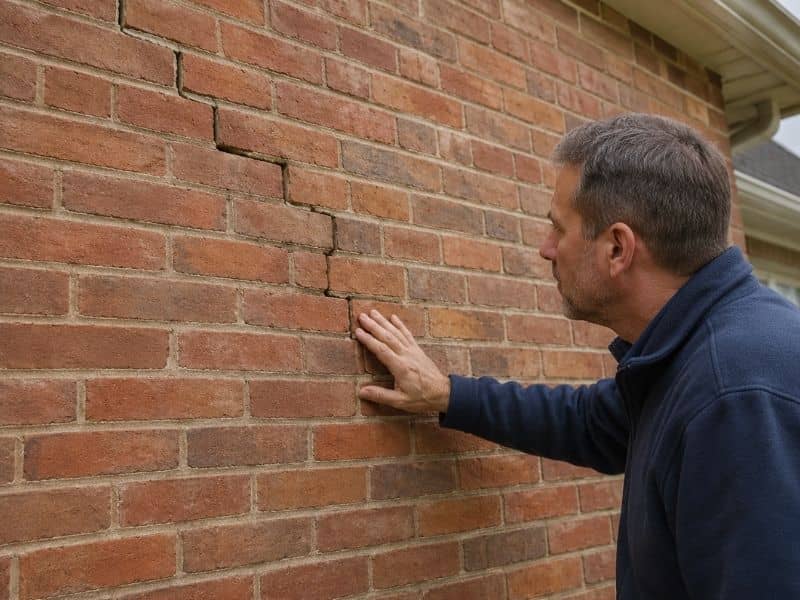
Brick repair problems often start with small warning signs that seem harmless at first. A tiny crack or a loose brick may not feel urgent. Many homeowners assume these changes happen naturally as a house ages. In reality, small masonry problems can grow into larger repairs if left alone.
Brick surfaces are built to last a long time, but they still deal with changing weather, moisture, shifting soil, and daily wear. Knowing what to look for can help you catch problems early and avoid bigger issues later.
What Are the Earliest Brick Repair Warning Signs?
Early brick repair warning signs include cracks, loose bricks, damaged mortar joints, and visible wall movement. These issues often begin small but can signal larger masonry problems developing beneath the surface.
Most masonry damage does not happen overnight. There are often early clues that homeowners can spot before repairs become more serious.
Common warning signs include:
- Bricks that no longer sit evenly
- Mortar that appears chipped or worn
- Gaps forming between bricks
- Cracks near windows or corners
- Bricks pushing outward slightly
- Sections of walls that look uneven
These changes may seem minor at first. Over time, they can spread and affect larger sections of a wall.
Cracks That Continue Getting Bigger
Small cracks may not seem serious, but growing cracks can point to movement or stress inside a masonry structure. Wider cracks often indicate a problem that should be inspected.
Many homes develop tiny cracks over time. Not every crack means trouble. The concern starts when a crack becomes longer, wider, or appears in multiple places.
Pay attention to cracks that:
- Grow over several months
- Follow a stair-step pattern
- Appear around windows or doors
- Reappear after previous repairs
Stair-step cracks often follow mortar lines and can suggest movement in the structure. This type of damage should not be ignored.
Loose Bricks Can Signal Hidden Problems
Loose bricks can indicate that the material holding masonry together is weakening. This movement may allow damage to spread into nearby areas.
Bricks should remain stable and secure. If a section feels loose or looks out of place, there may be a deeper issue nearby.
Some homeowners first notice this while walking around their property or cleaning exterior surfaces. A wall may suddenly look uneven, or one area may seem slightly raised.
Movement usually happens gradually. The longer it continues, the more surrounding materials can become affected.
Mortar Wearing Away Is Easy to Miss
Mortar often weakens before bricks fail. Worn mortar joints create openings that can allow damage to spread through masonry surfaces.
Homeowners often focus on the bricks themselves and overlook the material between them.
Mortar naturally ages over time. Years of exposure to heat, rain, and changing weather conditions can slowly wear it down.
Signs of mortar damage include:
- Gaps between brick sections
- Crumbling areas
- Sandy texture
- Missing pieces
- Uneven joint lines
When mortar begins wearing away, bricks lose some of the support that keeps them secure.
Bulging or Uneven Brick Walls
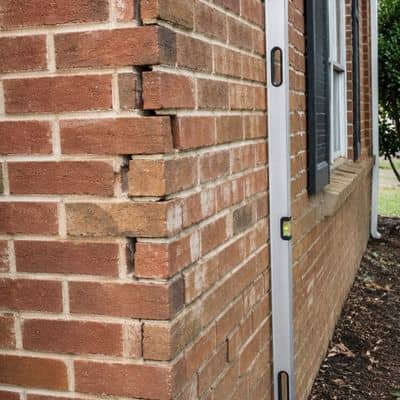
Walls should remain straight and stable. Bulging or outward movement can be a warning sign that pressure or structural stress is affecting masonry.
Stand a few feet away from exterior brick walls and look along the surface.
Do sections appear to push outward?
Does one area look uneven compared to the rest?
Bulging walls often develop slowly, which makes them difficult to notice. Homeowners who see their home every day may not recognize subtle changes.
A slight shift today can become a larger issue over time.
Damage Near Doors and Windows
Brick damage near openings can happen because these areas experience stress and movement differently than surrounding walls.
Doors and windows naturally create weak points in a masonry structure. Openings interrupt the wall pattern and place extra stress on nearby areas.
Watch for:
- Cracks above windows
- Brick separation around frames
- Gaps near corners
- Uneven brick alignment
These areas deserve extra attention during routine home inspections.
Why Waiting Makes Brick Problems Worse
Small masonry problems often spread gradually. Early attention helps prevent larger sections from becoming damaged.
Many homeowners delay repairs because the issue does not seem urgent.
The challenge is that masonry damage rarely stays in one place.
A single weak area can slowly affect nearby bricks and joints. Minor repairs today may become much larger projects later.
Early action often helps homeowners avoid bigger expenses and preserve the appearance of their home.