↓
 

Madison Brick & Stone

Brick & Stone Masons in Madison, AL

Madison Brick & Stone
  • Home
  • Brick Masonry
  • Stone Masonry
  • Indoor Fireplaces
  • Outdoor Fireplace
Home→Categories Brick - Page 2 << 1 2

Category Archives: Brick

Post navigation

Newer posts →

Mistakes Homeowners Make When Planning an Outdoor Fireplace

Madison Brick & Stone Posted on May 25, 2026 by madisonBSMay 22, 2026
Outdoor fireplace planning layout with stone samples, design plans, and a completed backyard masonry fireplace and fire pit area

Most homeowners spend weeks choosing the right look for their outdoor fireplace. They pick out stone samples, browse photos and debate finishes. Few spend even an hour asking whether they’re actually allowed to build one.

That’s the real problem. The planning phase is where most outdoor fireplace projects go wrong, and by the time the mistakes show up, the structure is already built.

Catching these mistakes before construction starts is much cheaper than fixing them after.

Skipping the Permit Process

This is the most common mistake. It’s also the most expensive one to fix after the fact.

Most local governments require a permit for any permanent outdoor fireplace. Build without one and you risk fines, failed inspections or being forced to tear the whole thing down. Some homeowners also find that their HOA has separate restrictions on top of local building codes.

The permit process isn’t just red tape. It tells you what materials are allowed, how far the fireplace needs to sit from property lines and neighboring structures and what fuel types are approved in your area.

What to Do Before You Break Ground

Before you buy materials or hire anyone, find out what’s required. An outdoor fireplace builder can help you sort through local permit requirements before work begins. 

Putting the Fireplace in the Wrong Place

Location affects more than how the fireplace looks. It affects how safe it is and whether you’ll actually enjoy using it.

Smoke follows the wind. If you place the fireplace where wind blows toward the house or the seating area, every fire becomes a smoke problem. Low spots in the yard trap smoke instead of letting it rise. Corners near fences block airflow and make the same issue worse.

Placement too close to wooden fences, overhanging trees or the house itself creates a fire risk that no amount of good construction can fix.

How to Find the Right Spot

Spend time in the yard at different times of day before deciding on a location. Watch how the wind moves through space. Most local codes require at least 10 feet of clearance from any structure, but confirm that distance with your local building department since requirements vary.

Using the Wrong Materials for Outdoor Use

What holds up inside a home doesn’t always survive outside. Standard brick and mortar absorb water. In climates with cold winters, that water freezes, expands and cracks the masonry from the inside out.

Some decorative stones look great but aren’t rated for direct heat exposure. Metal components that aren’t finished for outdoor use will rust within a season or two. Using indoor fireplace components outside voids warranties and creates real safety concerns.

The firebox and surrounding structure need materials built for both heat and weather. Refractory mortar is rated for temperatures up to 2,000 degrees Fahrenheit. Standard mortar isn’t even close to that range.

Ignoring Foundation Requirements

A full masonry outdoor fireplace can weigh several thousand pounds. Most homeowners don’t account for that.

An existing patio slab isn’t designed to carry that load. Without a proper foundation, the fireplace will shift as the ground moves with moisture and temperature changes. Cracks follow. Then structural failure.

What a Proper Foundation Looks Like

The standard is a reinforced concrete footing, typically 6 to 8 inches thick, poured separately from the existing patio slab. The soil beneath it also matters. Clay-heavy soil expands and contracts with moisture. A professional needs to assess load-bearing capacity before anything gets built on top of it.

Skipping this step is the most common reason outdoor fireplaces crack within the first few years.

Getting the Chimney Height Wrong

A chimney that’s too short pushes smoke back down into the seating area. Most homeowners don’t figure this out until the first fire of the season.

The standard rule is that the chimney should sit at least 2 feet above anything within 10 horizontal feet of the structure. That includes rooflines, pergolas and tree canopies.

A flue that’s sized incorrectly, either too wide or too narrow, affects how well the chimney draws smoke up and away. No flue liner in a masonry chimney is a fire risk. A chimney cap keeps out rain, debris and animals and is not optional for an outdoor build.

Underestimating the Full Cost

Early estimates tend to leave things out. Permit fees, foundation work and site preparation are often missing from the first quote a homeowner receives. Add-ons like a gas line, outdoor lighting or a surrounding patio extension add up fast.

Ongoing costs matter too. Mortar joints need attention over time. The chimney needs cleaning. These aren’t huge expenses on their own, but homeowners who don’t plan for them are usually surprised when they arrive.

Forgetting About Maintenance Access

A fireplace that’s hard to clean tends to get ignored. An ignored fireplace becomes a safety problem.

Ash cleanout doors and chimney access panels should be part of the design from the start, not added later. Decisions made during the planning phase directly affect how easy or difficult maintenance becomes over the next 20 years.

Frequently Asked Questions

Do I need a permit to build an outdoor fireplace?

In most areas, yes. Permanent outdoor structures typically require a building permit. Rules vary by location, so check with your local building department before starting any work.

How far does an outdoor fireplace need to be from my house? 

Most local codes require at least 10 feet from any structure. Some areas require more. Confirm the exact distance with your local building department before choosing a spot.

Can I build an outdoor fireplace on an existing patio? 

It depends on the slab’s thickness and condition. Most existing patios aren’t built to support the weight of a masonry fireplace. A professional should assess the foundation before you commit to a location.

What materials work best for an outdoor fireplace? 

Fire-rated brick and refractory mortar are the standard choice for heat resistance and durability. The right materials also depend on your local climate and how the fireplace will be used through the seasons.

How often does an outdoor fireplace need maintenance?

A wood-burning fireplace should be inspected once a year. Check the mortar joints, chimney cap and firebox for cracks or wear after each winter season.

Posted in Brick | Tagged brick masonry, stone masonry

Brick Repair Warning Signs Homeowners Should Never Ignore

Madison Brick & Stone Posted on May 20, 2026 by madisonBSMay 14, 2026
Homeowner checking an exterior brick wall with small cracks and early signs of brick damage

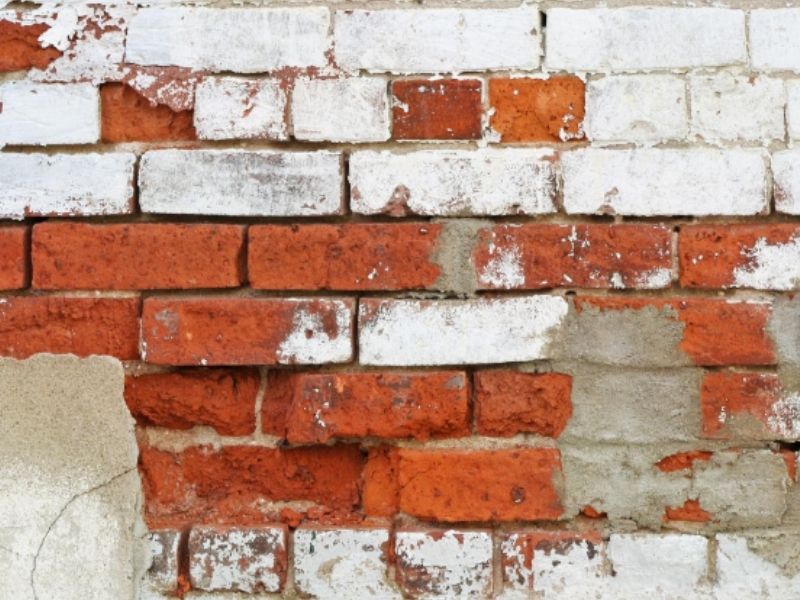
Brick repair problems often start with small warning signs that seem harmless at first. A tiny crack or a loose brick may not feel urgent. Many homeowners assume these changes happen naturally as a house ages. In reality, small masonry problems can grow into larger repairs if left alone.

Brick surfaces are built to last a long time, but they still deal with changing weather, moisture, shifting soil, and daily wear. Knowing what to look for can help you catch problems early and avoid bigger issues later.

What Are the Earliest Brick Repair Warning Signs?

Early brick repair warning signs include cracks, loose bricks, damaged mortar joints, and visible wall movement. These issues often begin small but can signal larger masonry problems developing beneath the surface.

Most masonry damage does not happen overnight. There are often early clues that homeowners can spot before repairs become more serious.

Common warning signs include:

  • Bricks that no longer sit evenly
  • Mortar that appears chipped or worn
  • Gaps forming between bricks
  • Cracks near windows or corners
  • Bricks pushing outward slightly
  • Sections of walls that look uneven

These changes may seem minor at first. Over time, they can spread and affect larger sections of a wall.

Cracks That Continue Getting Bigger

Small cracks may not seem serious, but growing cracks can point to movement or stress inside a masonry structure. Wider cracks often indicate a problem that should be inspected.

Many homes develop tiny cracks over time. Not every crack means trouble. The concern starts when a crack becomes longer, wider, or appears in multiple places.

Pay attention to cracks that:

  • Grow over several months
  • Follow a stair-step pattern
  • Appear around windows or doors
  • Reappear after previous repairs

Stair-step cracks often follow mortar lines and can suggest movement in the structure. This type of damage should not be ignored.

Loose Bricks Can Signal Hidden Problems

Loose bricks can indicate that the material holding masonry together is weakening. This movement may allow damage to spread into nearby areas.

Bricks should remain stable and secure. If a section feels loose or looks out of place, there may be a deeper issue nearby.

Some homeowners first notice this while walking around their property or cleaning exterior surfaces. A wall may suddenly look uneven, or one area may seem slightly raised.

Movement usually happens gradually. The longer it continues, the more surrounding materials can become affected.

Mortar Wearing Away Is Easy to Miss

Mortar often weakens before bricks fail. Worn mortar joints create openings that can allow damage to spread through masonry surfaces.

Homeowners often focus on the bricks themselves and overlook the material between them.

Mortar naturally ages over time. Years of exposure to heat, rain, and changing weather conditions can slowly wear it down.

Signs of mortar damage include:

  • Gaps between brick sections
  • Crumbling areas
  • Sandy texture
  • Missing pieces
  • Uneven joint lines

When mortar begins wearing away, bricks lose some of the support that keeps them secure.

Bulging or Uneven Brick Walls

Exterior brick wall with uneven movement and visible bulging that may signal structural brick damage

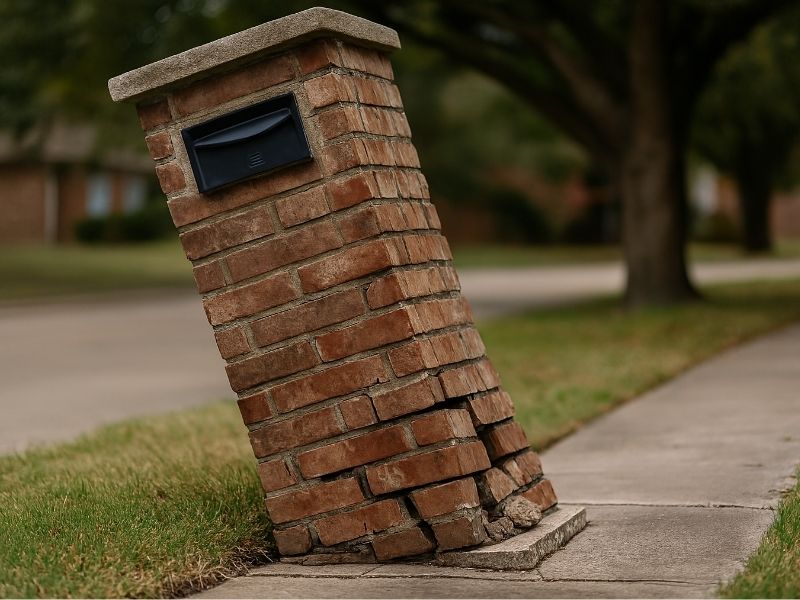
Walls should remain straight and stable. Bulging or outward movement can be a warning sign that pressure or structural stress is affecting masonry.

Stand a few feet away from exterior brick walls and look along the surface.

Do sections appear to push outward?

Does one area look uneven compared to the rest?

Bulging walls often develop slowly, which makes them difficult to notice. Homeowners who see their home every day may not recognize subtle changes.

A slight shift today can become a larger issue over time.

Damage Near Doors and Windows

Brick damage near openings can happen because these areas experience stress and movement differently than surrounding walls.

Doors and windows naturally create weak points in a masonry structure. Openings interrupt the wall pattern and place extra stress on nearby areas.

Watch for:

  • Cracks above windows
  • Brick separation around frames
  • Gaps near corners
  • Uneven brick alignment

These areas deserve extra attention during routine home inspections.

Why Waiting Makes Brick Problems Worse

Small masonry problems often spread gradually. Early attention helps prevent larger sections from becoming damaged.

Many homeowners delay repairs because the issue does not seem urgent.

The challenge is that masonry damage rarely stays in one place.

A single weak area can slowly affect nearby bricks and joints. Minor repairs today may become much larger projects later.

Early action often helps homeowners avoid bigger expenses and preserve the appearance of their home.

Posted in Brick | Tagged brick repair, brick wall cracks, masonry repair

Welcome to Madison Brick & Stone

Madison Brick & Stone Posted on July 27, 2017 by madisonBSMarch 11, 2026

Madison Brick & Stone specializes in stone masonry and brick masonry construction. Our expertise in masonry covers brickwork, block work, stonework, and all sorts of related products and applications. We serve the City of Madison, City of Madison, and all of Madison and Limestone Counties.

Call us at (256) 270-2702 to discuss your project.

What is Masonry Work?

Seamless Stone Masonry Stone WallsMasonry is building structures from individual units, which are often laid in and bound together by mortar. Common materials of masonry construction are brick, natural stone (such as marble, granite, travertine, and limestone,) cast stone, concrete block, stucco, tile, and glass block. Masonry is a highly durable form of construction.

The strength and durability of masonry are affected by the materials used, the quality of the mortar, the workmanship, and the pattern in which they are assembled. A person who constructs masonry is called a mason, a brick mason, stone mason, or bricklayer.

Applications of Masonry

brick wall - stone wall - landscapingMasonry is commonly used for walls and buildings, either inside or outside. Brick and concrete block are the most common types of masonry in use and may be either weight-bearing or a veneer.  Stone, both natural and man-made, is being used more and more for decorative features inside, outside and in backyards. Patios, outdoor kitchens, outdoor fireplaces, fire pits, decorative walls, decking, retaining walls, landscaping or hardscaping, and lots of other amenity applications are common place now. Natural stone masonry can provide very aesthetically pleasing projects.

Advantages of Brick or Stone in Building

  • Bricks and stone masonry increases the thermal mass of a building
  • Brick and stone masonry is non-combustible and provides fire protection
  • Brick and stone masonry walls are more resistant to projectiles, such as debris from hurricanes or tornadoes.
  • Brick and stone masonry weathers well and needs much less maintenance over time than other natural materials.
  • No painting is necessary for brick or stone. Color and finish selections are almost endless.
  • Brick and stone masonry typically lasts longer than wood products
  • Brick and stone masonry has higher compressive strength compared to wood and other natural products.
  • Brick and blockwork walls provide excellent sound insulation.
  • Stone does not warp, swell, bend, splinter, or dent.
  • Brick and stone are versatile in their aesthetic appeal and can work well with other construction materials.
  • Use of brick and stone signals a strong sense of permanence and longevity.


Call Bryon at Madison Brick & Stone at (256) 270-2702 for a quote on your brick or stone masonry project. Or, fill out the contact form to the right.

Posted in Block Mason, Brick, Brick Mason, Brick Walls, Masonry, Stone

Post navigation

Newer posts →

© Copyright Madison Brick & Stone
Madison, Alabama ​35758
Phone: (256) 270-2702

Privacy Policy | Terms of Use

Web Development and SEO by: AuburnBusiness.com

The owner of this website, AuburnBusiness, LLC, provides marketing for local skilled labor businesses in the Huntsville and Madison, AL area.

↑