How to Choose the Right Stone Pavers
Stone pavers can change the look and feel of an outdoor space. The wrong choice can lead to cracks, uneven surfaces, or extra costs later. The right choice fits the space, handles daily use, and lasts for years. Picking stone pavers is not just about color. Material, size, finish, and use all matter.
What Are Stone Pavers and Why Do Homeowners Use Them?
People use stone pavers for walkways, pool areas, outdoor seating spaces, driveways, and entry points. They come in different materials and each one has strengths and weak spots.
A stone that works well around a pool may not be the best fit for a driveway. A paver that looks great in photos may become slippery after rain.
The goal is simple. Match the stone to the job.
Start With the Purpose of the Space
Homeowners often compare different stone hardscape options before choosing materials for walkways, seating areas, and outdoor gathering spaces.
Ask these questions:
- Will people walk on it every day?
- Will vehicles drive over it?
- Will children play in the area?
- Will the space stay in direct sun?
- Does the area collect water after rain?
These answers narrow your options fast.
Walkways and Entry Areas
Walkways need comfort and grip. Smooth stones can become slick.
Good options:
- Bluestone
- Flagstone
- Travertine
- Textured limestone
Driveways
Driveways take weight and pressure.
Good options:
- Granite
- Thick concrete pavers
- Dense natural stone
Thin decorative pavers often fail here.
Types of Stone Pavers Homeowners Commonly Choose
Every material acts differently.
Travertine
Travertine stays cooler than many materials. That makes it common around pools and outdoor seating spaces.
Pros:
- Cooler underfoot
- Natural appearance
- Slip resistant options available
Cons:
- Can stain without sealing
- Needs upkeep
Flagstone
Flagstone gives a natural and relaxed look.
Pros:
- Unique appearance
- Different shape options
- Good traction
Cons:
- Irregular installation layout
- Higher labor cost
Granite
Granite is tough.
Pros:
- Handles heavy traffic
- Strong surface
- Long lifespan
Cons:
- Higher material cost
- Can feel hot in direct sun
Limestone
Limestone works well for clean and simple designs.
Pros:
- Soft appearance
- Light color choices
- Good for outdoor spaces
Cons:
- Can scratch easier than granite
Size Matters More Than People Think
Large pavers create a cleaner look.
Smaller pavers create more visual detail.
Large pieces may reduce joint lines. That helps create a modern style.
Small pieces may work better in curved spaces.
Do not choose based only on photos. A paver that looks great online may look too busy in a real yard.
Pay Attention to Surface Texture
Texture changes safety.
Smooth surfaces often look great. Wet surfaces tell a different story.
Areas near water need grip.
Look for:
- Tumbled finishes
- Textured surfaces
- Natural cleft finishes
- Non-slip ratings
Shiny surfaces often become a problem outdoors.
Think About Maintenance Before Buying Stone Pavers
Many people focus on appearance and forget upkeep.
Ask:
- Does it need sealing?
- How often?
- Does it stain easily?
- Can weeds grow between joints?
Natural stone usually needs more care than manufactured products.
Some homeowners love the look and do not mind extra work.
Others regret the choice later.
Color Choice Can Affect Heat
Dark colors absorb more heat.
Lighter colors stay cooler.
This matters around:
- Pools
- Outdoor kitchens
- Seating areas
- Spaces used during summer
A dark stone may look great but feel too hot to walk on.
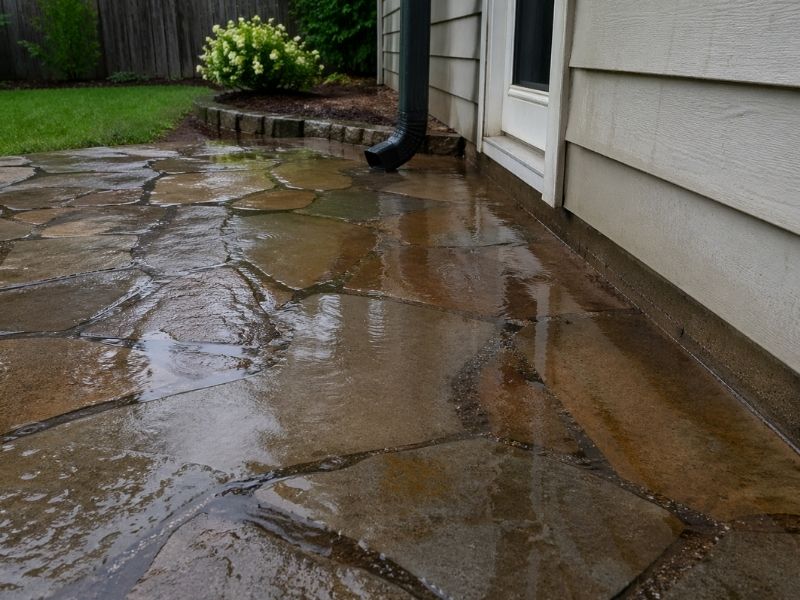
Don’t Ignore Drainage
Drainage problems ruin outdoor projects.
Water should move away from structures and walkways.
Poor drainage can cause:
- Standing water
- Surface shifting
- Uneven areas
- Long-term damage
Good installation matters as much as the paver itself.
Work With a Mason Before Making Final Decisions
Samples help.
Photos help.
Seeing pavers in person helps more.
Experienced masonry contractors often spot problems before installation starts. They can explain what works and what usually causes trouble.
That can save money and frustration later.
Frequently Asked Questions
How long do stone pavers last?
Natural stone pavers can last for decades when installed correctly and maintained.
Do stone pavers need sealing?
Some materials benefit from sealing. Travertine and limestone often receive added protection.
Which stone pavers stay cooler?
Travertine is known for staying cooler under direct sun.
Are stone pavers slippery?
Some smooth surfaces become slick when wet. Texture matters.
Which stone paver works best for driveways?
Granite and heavy-duty pavers handle vehicle traffic better than lighter materials.