Painted Brick: Does It Hurt Your Home or Help It?
Most homeowners think painted brick is just a cosmetic choice. Pick a color, roll it on, done. But brick is one of the few building materials that actually needs to breathe, and paint can get in the way of that. Before you commit to painted brick on your home, there are a few things worth understanding about how the material works and what can go wrong.
What “Breathing” Actually Means for Brick
Brick absorbs moisture. It pulls it in during rain and releases it as temperatures change. That cycle is normal. The brick handles it fine on its own.
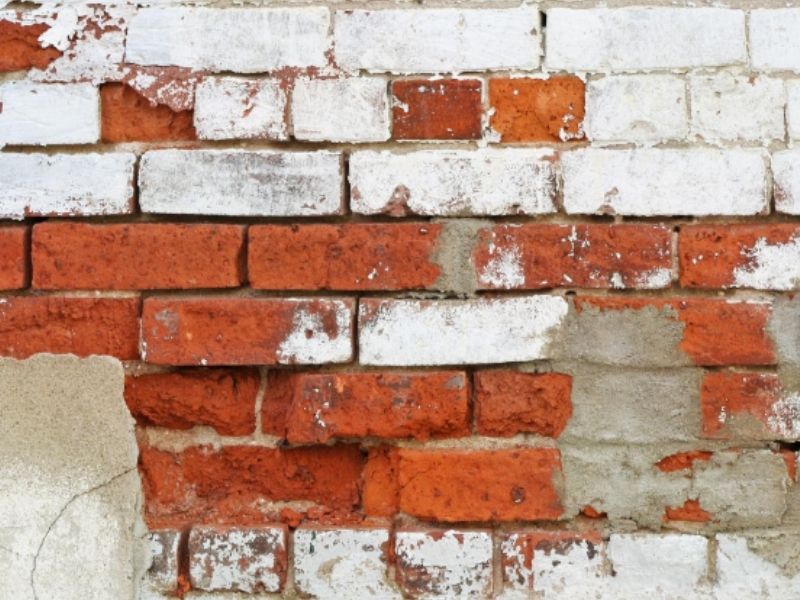
When you paint brick, you add a barrier over the surface. If that barrier traps moisture inside the wall instead of letting it escape, the water has nowhere to go. It builds up. Over time, that trapped moisture leads to spalling, where the face of the brick flakes or pops off. It can also cause efflorescence, mold growth behind the paint film, and mortar deterioration.
The risk depends heavily on the type of paint used. Regular exterior paint creates a vapor-impermeable film. Masonry-specific paint and mineral-based paints are more breathable and carry less risk. Many homeowners use the wrong product and don’t find out until problems appear two or three years later.
Does Painted Brick Hurt Resale Value?
This one gets debated. The short answer: it varies by market and how well the job was done.
In some neighborhoods, a freshly painted brick exterior reads as updated and appealing. In others, buyers see painted brick and immediately think about the maintenance commitment and the fact that it can’t easily be undone.
The bigger issue for resale is permanence. Painted brick is difficult and expensive to reverse. Sandblasting or chemical stripping can remove paint, but both methods carry a real risk of damaging the brick surface permanently. Once you paint, you’re largely committed to repainting every five to ten years for the life of the home.
Real estate professionals in brick-heavy housing markets often advise caution. Buyers who want original brick won’t be swayed by a painted version of it, and the pool of buyers narrows slightly as a result.
The Maintenance Cycle Homeowners Don’t Anticipate
Unpainted brick is genuinely low maintenance. Hose it down occasionally, inspect the mortar every few years, and it largely takes care of itself.
Painted brick adds a recurring maintenance obligation. Paint on masonry fades, chalks, peels, and cracks. Depending on sun exposure and climate conditions, a repaint is typically needed every five to ten years. Each repaint job requires proper surface prep, which on brick means cleaning, patching any damaged mortar, and priming before the topcoat goes on.
Over a twenty-year period, the cost of maintaining painted brick adds up considerably compared to leaving it unpainted. That’s a cost many homeowners don’t factor in when making the initial decision.
The Right Paint for Painted Brick Exteriors
Using standard exterior latex or oil-based paint on brick is one of the most common mistakes. These products are designed for wood or fiber cement siding, not masonry. They form a relatively impermeable film that sits on top of the brick rather than bonding with it.
Masonry-specific elastomeric coatings are more flexible and bond differently. Mineral silicate paints, sometimes called silicate dispersion paints, actually penetrate into the masonry and become part of the surface. They’re more breathable and far less likely to peel.
The tradeoff is cost and availability. Silicate paints are harder to source and significantly more expensive than standard exterior paint. A contractor experienced with masonry will know the difference. Many general painters don’t.
When Painted Brick Actually Makes Sense
There are legitimate reasons to paint brick. If the existing brick is badly stained, discolored from previous repairs, or visually inconsistent across a wall from patching work, paint can unify the surface in a way that’s difficult to achieve otherwise.
Older homes sometimes have brick that was never intended to be a finished surface. In those cases, the brick quality is poor and painting is a reasonable solution.
If you’re working with interior brick in a low-moisture area, the breathability issue largely goes away. Interior painted brick carries far less risk than exterior painted brick because moisture management isn’t a factor.
The key question to ask before painting is whether the problem actually requires paint, or whether cleaning, repointing, and sealing gets you to the same result. Most brick and stone masons lean toward the second option when the brick underneath is still in good shape.
Frequently Asked Questions
Does painted brick cause permanent damage?
Painted brick doesn’t cause immediate damage, but using the wrong paint type or painting over brick with existing moisture problems can lead to spalling, peeling, and mortar failure over time. The damage builds slowly and often doesn’t show up until years later.
Can painted brick be reversed?
Yes, but it’s difficult. Sandblasting, chemical stripping, and pressure washing can remove paint from brick, but all three methods risk damaging the brick surface or mortar joints in the process. Full removal to original condition is rarely guaranteed.
What type of paint is safest for painted brick exteriors?
Mineral silicate paint is considered the safest option for exterior brick because it bonds with the masonry rather than forming a surface film. Elastomeric masonry coatings are a more commonly available alternative. Standard latex or oil-based exterior paint carries the most risk.
How long does painted brick last before repainting?
On exterior brick, paint typically lasts five to ten years before it needs to be recoated. Sun exposure, moisture levels, and paint quality all affect how quickly it fades or peels.
Does painted brick affect home value?
It varies by market. Some buyers prefer the look of painted brick. Others see it as a maintenance liability or a barrier to getting back to original brick. In markets where original brick is valued, painting can narrow your buyer pool.