↓
 

Madison Brick & Stone

Brick & Stone Masons in Madison, AL

Madison Brick & Stone
  • Home
  • Brick Masonry
  • Stone Masonry
  • Indoor Fireplaces
  • Outdoor Fireplace
Home→Categories Brick Mason - Page 3 << 1 2 3

Category Archives: Brick Mason

Post navigation

Newer posts →

Why a Brick Fireplace Can Develop Cracks Over Time

Madison Brick & Stone Posted on June 17, 2026 by madisonBSJune 16, 2026
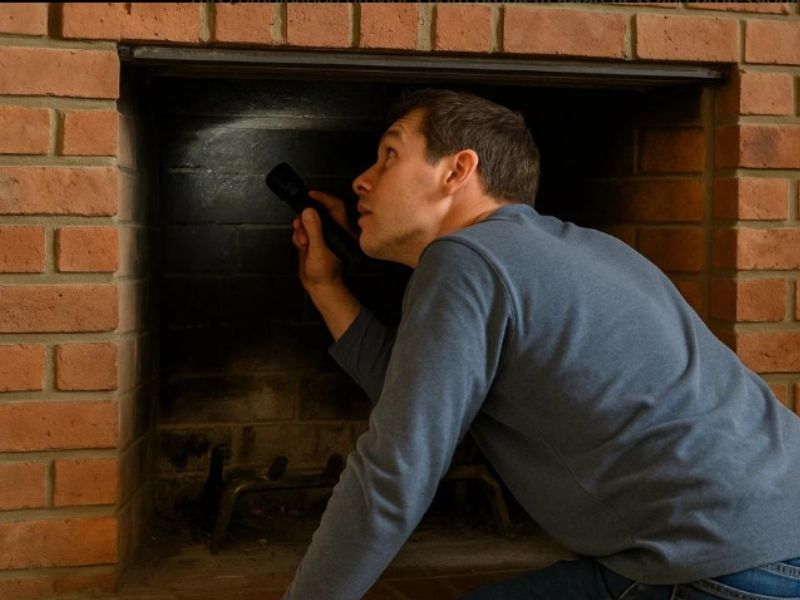
Homeowner inspecting a brick fireplace for cracks and masonry damage.

A brick fireplace looks solid. Most homeowners assume it stays that way forever. It doesn’t. Cracks show up over time on almost every brick fireplace, and most people ignore them until the damage gets serious. Understanding why a brick fireplace develops cracks helps you catch problems early and avoid costly repairs later. This article covers the main causes, what the cracks mean and when to act.

Heat Is the First Enemy

A brick fireplace goes through extreme temperature changes every time it’s used. The firebox can reach over 1,000 degrees Fahrenheit during a fire. When the fire goes out, it cools down fast.

Brick expand when they get hot and shrink when they cool. They don’t expand and shrink at the same rate. Over time, that difference creates stress at the joints between bricks. The mortar starts to crack first because it’s softer than the brick itself.

This type of cracking is normal. Hairline cracks in the mortar are common on fireplaces that get regular use. The problem starts when those small cracks get ignored and water gets in.

Water Makes Everything Worse

Water is the main reason small cracks turn into big ones. Rain, snow and humidity all find their way into cracks in the mortar. When water gets inside and freezes, it expands. That pushes the crack wider. Each freeze-thaw cycle makes the damage worse.

Brick is porous. It absorbs water even without visible cracks. Over years of exposure, the face of the brick can start to spall. That means the outer layer breaks off, leaving a rough and weakened surface.

The chimney is the most exposed part of the fireplace. It sits outside in all weather with no protection. Cracks in the chimney crown, which is the concrete cap at the top, let water run straight down into the masonry. That’s one of the most common causes of serious cracking in the firebox below.

Settlement and Foundation Movement

A brick fireplace and chimney are heavy. A full masonry chimney can weigh several tons. It sits on its own foundation, separate from the house foundation in most cases.

When that foundation shifts, the chimney moves with it. Even small amounts of movement create cracks in the brick and mortar. These cracks are different from heat cracks. They tend to be larger, run diagonally and follow the mortar lines in a stair-step pattern.

Settlement cracks are a sign that the structure has moved. They don’t fix themselves. If the foundation keeps moving, the cracks keep growing. A diagonal crack running from the firebox opening up through the chimney is a warning sign that needs attention.

Poor Original Construction

Some fireplaces crack early because they weren’t built well to begin with. The mortar mix matters. A mortar that’s too hard doesn’t flex with the brick during heat cycles. It cracks sooner than a properly mixed mortar would.

The wrong type of brick also causes problems. Not all bricks are rated for high-heat use. Firebrick, which is made to handle the heat inside a firebox, is different from standard face brick. Using the wrong brick in the firebox leads to cracking and spalling from heat alone.

Inadequate flashing around the chimney where it meets the roof is another construction problem. Without proper flashing, water runs down behind the chimney and soaks into the masonry from the inside. That moisture causes cracking that’s hard to trace back to its source.

Age and Deferred Maintenance

Mortar has a lifespan. Even well-built fireplaces need mortar joints repointed every 20 to 30 years. Old mortar gets soft and crumbly. Once it starts breaking down, water gets in faster and the cycle of damage accelerates.

Homeowners often don’t notice mortar deterioration until bricks start to loosen or crack. By then, the repair is larger and more expensive than it would have been with routine maintenance.

A brick fireplace that hasn’t been inspected in years almost certainly has some mortar deterioration, even if there are no visible cracks yet. The damage starts at the joints before it shows up on the brick faces.

When Cracks Are Serious and When They’re Not

Not every crack in a brick fireplace is an emergency. Hairline cracks in mortar joints from normal heat cycling are common and can be repaired with repointing.

Cracks that are wide, growing or running through the brick itself are a different story. So are cracks near the firebox opening or in the smoke chamber above it. Those areas take the most heat and stress. Damage there can affect how the fireplace drafts and whether combustion gases stay inside the flue.

Cracks in the firebox liner or the flue tile are a fire hazard. A damaged liner can allow heat and embers to reach the surrounding structure. That’s not a cosmetic issue. It needs to be fixed before the fireplace is used again.

What Professionals Look For

A qualified masonry contractor or chimney specialist can tell the difference between surface cracking and structural damage. They look at crack width, location, pattern and whether the damage is active or stable.

For serious settlement cracks, a structural engineer may need to assess the foundation before any masonry repairs begin. Patching cracks on a moving foundation is a waste of money. The cracks will come back.

Routine inspections every few years catch most problems while they’re still small. The Chimney Safety Institute of America recommends annual chimney inspections for fireplaces in regular use.
Posted in Brick Mason | Tagged brick mason, brick masonry, brick masonry problems

What Does a Brick Mason Do? A Homeowner’s Guide 

Madison Brick & Stone Posted on May 14, 2026 by madisonBSMay 14, 2026
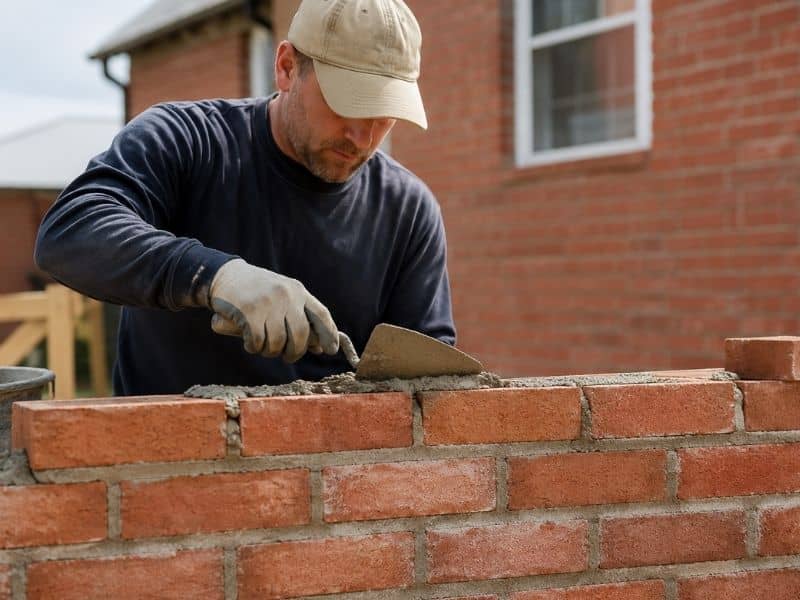
Professional brick mason laying bricks and applying mortar during a residential home construction project

If you have cracked brickwork or want to add a patio or fireplace to your home, you may be asking what a brick mason actually does. A brick mason is a trained professional who works with brick, stone, concrete block, and mortar. They build and repair structures that are designed to last for many years. From the outside walls of your home to a stone pathway in your backyard, masonry work is all around us. Understanding what a brick mason does helps you make smarter choices about your home.

What Is a Brick Mason?

A brick mason is a trained construction worker who lays, repairs, and restores brick, stone, and concrete blocks. They mix mortar, set bricks in place, and finish surfaces to a professional standard. Most brick masons train for 3 to 4 years before working on their own.

A brick mason is not just someone who stacks bricks. The job takes real skill. Masons need to understand how materials hold up in different weather, how to mix mortar correctly, and how to keep walls level and strong.

You may also hear the terms bricklayer, stone mason, and masonry contractor. Here is what each one means:

  • Brick mason or bricklayer – Works mainly with clay brick and concrete block
  • Stone mason – Specializes in natural and manufactured stone
  • Masonry contractor – A broader term that covers both brick and stone work

What Services Does a Brick Mason Provide?

Brick masons offer many services including new brick construction, mortar repair, tuckpointing, fireplace and chimney work, patios, retaining walls, outdoor kitchens, and mailboxes. They handle both small repairs and large new projects for homeowners.

Brick Laying and New Construction

Brick masons build new structures from the ground up. This includes exterior brick walls, interior accent walls, brick columns, gate pillars, and garden walls. They follow specific patterns, called bonds, to make sure each structure is strong and looks neat.

Mortar Repair and Brick Replacement

Brick is one of the strongest building materials you can use. A single brick can last over 100 years. Mortar, which is the material between bricks, wears out faster. It usually needs replacing after 25 to 30 years. Common repair services include filling cracks, replacing broken bricks, and fixing loose mortar joints.

Tuckpointing and Repointing

These two services are often confused. Here is the simple difference:

  • Repointing means removing old, worn mortar and replacing it with fresh mortar to keep the wall strong and sealed.
  • Tuckpointing is a finishing method that uses two colors of mortar to make the joints look clean and precise. It works as both a repair and a decorative technique.

Both services protect your home from water getting into the wall. Skipping them can lead to much bigger and more costly problems down the road.

Fireplace and Chimney Work

A brick mason can build or repair indoor and outdoor fireplaces and chimneys. This includes building new brick or stone fireplaces, repairing fireboxes and hearths, repointing chimney joints, and replacing chimney caps and crowns.

Fireplace and chimney work should always be done by a licensed professional. Poor repairs can create serious safety risks, including fire hazards.

Outdoor Living Projects

Many homeowners hire brick masons to improve their outdoor spaces. Popular projects include brick and stone patios, outdoor kitchens with built-in grills, outdoor fireplaces, and brick or stone mailboxes. These projects add both beauty and value to your property.

Retaining Walls and Walkways

Brick masons also build retaining walls, which hold back soil on slopes and hillsides. They can install brick or stone steps, garden walls, raised garden beds, and pathways throughout your yard.

When Should You Call a Brick Mason?

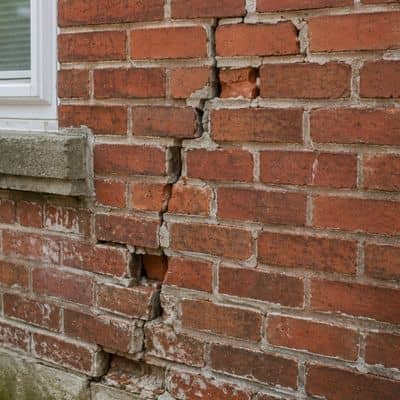
Exterior brick wall with cracked bricks and deteriorating mortar showing signs that masonry repair may be needed

You should contact a brick mason when you notice any of these issues:

  • Mortar that is crumbling or missing between bricks
  • Cracks running through a brick wall or chimney
  • Bricks that are flaking or breaking on the surface
  • White powder or staining on your brick walls
  • Walls that appear to be leaning or bowing outward

The sooner you call, the less the repair will cost. A simple repointing job may cost a few hundred dollars. If the problem is left too long, the same issue can cost thousands to fix.

How Much Does a Brick Mason Cost?

Costs depend on the type of project, your location, and the materials used. These are general price ranges to help you plan:

ServiceTypical Cost
Repointing or tuckpointing$500 to $2,500
Crack repair$300 to $1,500
Chimney repointing$500 to $2,500
New brick fireplace$3,500 to $10,000+
Brick patio (per square foot)$15 to $30
Outdoor kitchen$5,000 to $20,000+
Retaining wall (per square foot)$20 to $50
Brick or stone mailbox$800 to $3,500

Always get at least two or three written quotes before choosing a contractor.

What to Look for When Hiring a Brick Mason

Not every mason delivers the same quality of work. Before you hire, check for these things:

  • A valid contractor’s license and insurance
  • Photos of past projects similar to yours
  • References from customers in your local area
  • A written estimate with clear pricing and details
  • A warranty on the labor and finished work

Frequently Asked Questions

How long does brick masonry work last? 

Brick can last 100 years or more when properly installed and maintained. Mortar joints typically need replacing every 25 to 30 years.

Can a brick mason fix just a few damaged bricks? 

Yes. Most masons are happy to take on small repair jobs, including replacing individual bricks or patching isolated cracks.

Is brick more expensive than wood or vinyl siding?

Brick costs more upfront. However, it lasts much longer and needs very little ongoing maintenance, which saves money over the long term.

What is the difference between a brick mason and a stone mason? 

A brick mason works mainly with clay brick and concrete block. A stone mason works mainly with natural or cultured stone. Many masonry contractors are skilled in both materials.

How do I know if my mortar needs replacing? 

Look for cracks, gaps, or powder between your bricks. If mortar crumbles when you press it lightly, it is time to call a mason for a repointing inspection.

Posted in Brick Mason | Tagged brick mason, bricklayer, masonry contractor

Welcome to Madison Brick & Stone

Madison Brick & Stone Posted on July 27, 2017 by madisonBSMarch 11, 2026

Madison Brick & Stone specializes in stone masonry and brick masonry construction. Our expertise in masonry covers brickwork, block work, stonework, and all sorts of related products and applications. We serve the City of Madison, City of Madison, and all of Madison and Limestone Counties.

Call us at (256) 270-2702 to discuss your project.

What is Masonry Work?

Seamless Stone Masonry Stone WallsMasonry is building structures from individual units, which are often laid in and bound together by mortar. Common materials of masonry construction are brick, natural stone (such as marble, granite, travertine, and limestone,) cast stone, concrete block, stucco, tile, and glass block. Masonry is a highly durable form of construction.

The strength and durability of masonry are affected by the materials used, the quality of the mortar, the workmanship, and the pattern in which they are assembled. A person who constructs masonry is called a mason, a brick mason, stone mason, or bricklayer.

Applications of Masonry

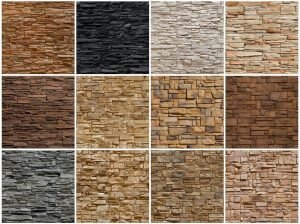
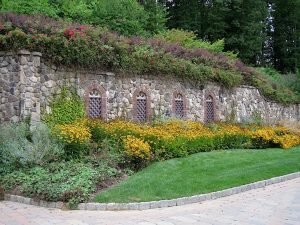
brick wall - stone wall - landscapingMasonry is commonly used for walls and buildings, either inside or outside. Brick and concrete block are the most common types of masonry in use and may be either weight-bearing or a veneer.  Stone, both natural and man-made, is being used more and more for decorative features inside, outside and in backyards. Patios, outdoor kitchens, outdoor fireplaces, fire pits, decorative walls, decking, retaining walls, landscaping or hardscaping, and lots of other amenity applications are common place now. Natural stone masonry can provide very aesthetically pleasing projects.

Advantages of Brick or Stone in Building

  • Bricks and stone masonry increases the thermal mass of a building
  • Brick and stone masonry is non-combustible and provides fire protection
  • Brick and stone masonry walls are more resistant to projectiles, such as debris from hurricanes or tornadoes.
  • Brick and stone masonry weathers well and needs much less maintenance over time than other natural materials.
  • No painting is necessary for brick or stone. Color and finish selections are almost endless.
  • Brick and stone masonry typically lasts longer than wood products
  • Brick and stone masonry has higher compressive strength compared to wood and other natural products.
  • Brick and blockwork walls provide excellent sound insulation.
  • Stone does not warp, swell, bend, splinter, or dent.
  • Brick and stone are versatile in their aesthetic appeal and can work well with other construction materials.
  • Use of brick and stone signals a strong sense of permanence and longevity.


Call Bryon at Madison Brick & Stone at (256) 270-2702 for a quote on your brick or stone masonry project. Or, fill out the contact form to the right.

Posted in Block Mason, Brick, Brick Mason, Brick Walls, Masonry, Stone

Post navigation

Newer posts →

© Copyright Madison Brick & Stone
Madison, Alabama ​35758
Phone: (256) 270-2702

Privacy Policy | Terms of Use

Web Development and SEO by: AuburnBusiness.com

The owner of this website, AuburnBusiness, LLC, provides marketing for local skilled labor businesses in the Huntsville and Madison, AL area.

↑