
Brick Masonry Problems Homeowners Notice After Heavy Rain
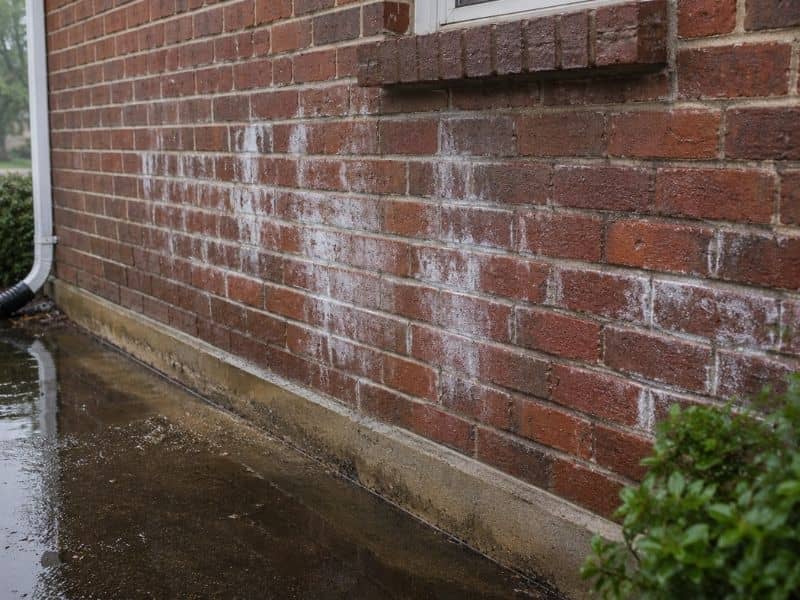
Heavy storms can reveal issues that homeowners never noticed before. Brick masonry often looks strong and durable from the outside, but rain has a way of exposing weak spots that stay hidden during dry weather. After several days of heavy rain, you might suddenly notice white stains, damp areas, loose mortar, or changes in the appearance of your brickwork. Small warning signs can become larger problems if they are ignored.
In Madison, periods of strong rain can put extra stress on homes and outdoor masonry features. Water can collect near foundations, seep into tiny openings, and slowly create damage over time. Knowing what to look for can help homeowners catch issues early and avoid more expensive repairs later.
Why Does Brick Masonry Show Problems After Heavy Rain?
Heavy rain makes hidden brick problems easier to spot because water moves through areas that already have weaknesses. Small cracks, aging mortar joints, poor drainage, and trapped moisture become more visible after a storm.
Brick surfaces are designed to handle weather, but moisture can still find paths through weak points. According to masonry experts, water management systems such as drainage paths and weep holes help direct moisture away from structures. If these systems are blocked or if water pools around the home, brick surfaces can begin showing signs of stress.
Many homeowners assume rain only affects roofs and gutters. In reality, brick and stone surfaces can also reveal early signs of moisture problems.
What Brick Problems Should Homeowners Look For After Rain?
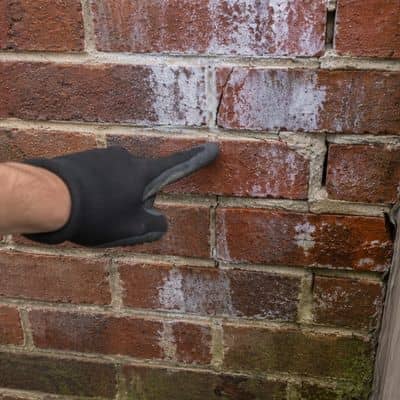
After heavy rain, homeowners should pay attention to changes that were not visible before the storm. Even small differences can signal hidden moisture issues.
Watch for these warning signs:
- White powdery stains on brick surfaces
- Cracked or missing mortar joints
- Damp or darker sections of brick
- Water pooling near masonry walls
- Loose or shifting bricks
- Brick discoloration
- Small gaps forming around masonry features
These signs do not always mean major structural damage is happening. However, repeated exposure to moisture can gradually weaken materials over time.
The earlier these issues are found, the easier they are often to fix.
Are White Stains on Brick a Serious Problem?
White stains on brick are usually called efflorescence. This happens when water moves through brick and carries natural salts to the surface. Once the moisture evaporates, the salts remain behind as a white powdery residue.
The stain itself is not usually dangerous. The bigger concern is what the stain reveals.
Efflorescence often tells homeowners that moisture is repeatedly moving through the masonry. If the stains keep returning after cleaning, water may be entering from another source.
Common causes include:
- Water collecting near the foundation
- Poor drainage around the home
- Small cracks allowing moisture inside
- Areas that stay damp after rain
Some homeowners simply wash away the white residue and move on. If the moisture source remains, the same issue often comes back.
Why Do Mortar Joints Crack or Wash Out?
Mortar joints hold bricks together. Over time, age and moisture exposure can weaken these joints.
Repeated wet conditions can slowly wear away older mortar. Heavy rain may speed up damage that was already beginning. Small cracks can allow water to enter deeper into the masonry system.
Several factors can contribute to mortar damage:
Age and wear
Older homes naturally experience material breakdown over time.
Drainage problems
Water sitting near walls can increase moisture exposure.
Expansion and movement
Materials expand and contract during changing weather conditions.
Previous poor repairs
Using the wrong mortar materials during earlier repairs can create future problems.
Many homeowners only notice missing mortar after storms because wet surfaces make damaged areas easier to see.
When Should You Call a Mason After Heavy Rain?
Call a professional if signs continue appearing after multiple storms or if damage seems to be getting worse.
Some situations should not wait:
- Loose bricks moving by hand
- Deep gaps in mortar joints
- Water entering interior walls
- Leaning masonry sections
- White stains repeatedly returning
- Large areas of cracking
A trained brick mason can determine whether the issue is cosmetic or a sign of a deeper moisture problem.
Small repairs completed early are usually simpler than large repairs after years of water exposure.
How Can Homeowners Prevent Rain Related Masonry Damage?
Prevention often starts with water control around the home. Many masonry problems begin because water stays in places where it should not.
Homeowners can reduce future issues by:
- Keeping gutters clean
- Making sure downspouts direct water away from the house
- Watching for standing water after storms
- Checking brick surfaces each season
- Addressing small mortar damage early
- Scheduling inspections if recurring issues appear
Routine attention can help extend the life of masonry features and reduce costly surprises.
Heavy rain does not automatically mean serious damage. However, when brick surfaces suddenly look different after storms, it is often worth paying attention. Small clues can reveal larger moisture issues before they become harder and more expensive to repair.
Frequently Asked Questions
What causes white stains on brick after rain?
White stains are often caused by efflorescence. Water carries natural salts through the brick and leaves them behind when moisture evaporates.
Can heavy rain damage brick masonry?
Heavy rain itself may not directly damage brick, but it can expose weak mortar joints, drainage issues, and moisture problems already developing.
Is cracked mortar a serious problem?
Small cracks can grow over time. Once moisture enters, the damage can spread and lead to larger repairs.
How often should masonry be inspected?
A seasonal visual inspection is helpful, especially after strong storms or periods of heavy rainfall.