↓
 

Madison Brick & Stone

Brick & Stone Masons in Madison, AL

Madison Brick & Stone
  • Home
  • Brick Masonry
  • Stone Masonry
  • Indoor Fireplaces
  • Outdoor Fireplace
Home→Tags stone pavers

Tag Archives: stone pavers

Stone Pavers That Perform Better Around Pool Decks

Madison Brick & Stone Posted on July 3, 2026 by madisonBSJune 26, 2026
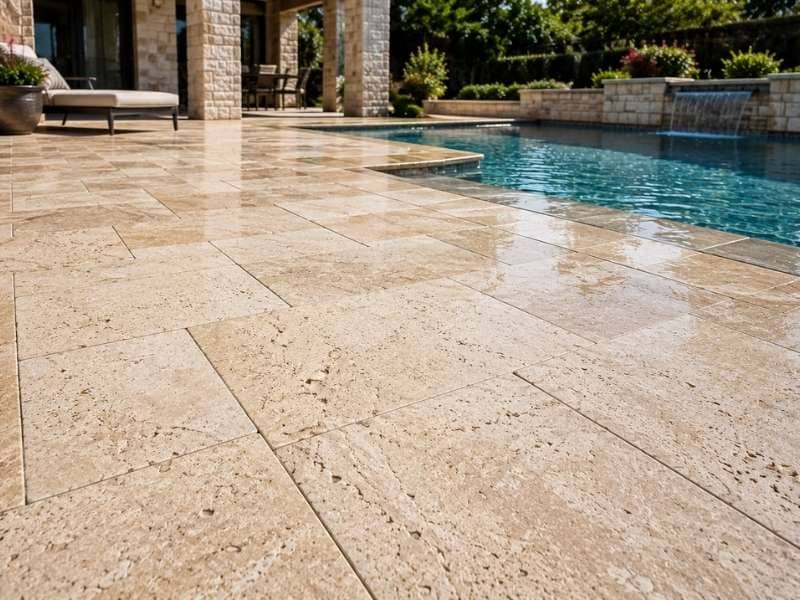
Stone pavers around a pool deck with a light-colored textured surface designed for durability, slip resistance, and long-lasting performance.

A pool deck gets used hard. It gets wet dozens of times a day, bakes in direct sun for hours and handles foot traffic from wet, bare feet all season long. The material you choose has to stay cool enough to walk on, grip wet feet safely and hold up to pool chemicals without cracking or staining. Stone pavers do this well, but not all stone is equal. Picking the right type and installing it correctly makes a bigger difference than most people expect.

Choose Stone Pavers That Feel Better to Walk On

Dark stone and smooth finishes absorb and hold solar heat. On a hot afternoon, that can make the surface painful to walk on without shoes. Light-colored options like travertine, limestone or light-toned porcelain reflect more of the sun’s energy instead of storing it.

Travertine is one of the most common choices for pool decks for this reason. Its natural surface texture also reduces heat buildup compared to dense, polished stone. A brushed or tumbled finish on any stone type performs better in the heat than a polished face and holds up to wet foot traffic without showing wear as quickly.

Pick Pavers That Help Prevent Slips

Polished stone looks good indoors. Around a pool, water sits on the surface rather than draining off, and wet feet have almost no grip. A brushed or tumbled finish creates small ridges and breaks that help water move away and give feet traction.

A simple test before you buy: run your hand across a wet sample. If it feels slick, it will be that way underfoot.

Grout joint width also matters. Wider joints let water drain off the surface faster, which reduces standing water across the whole deck.

Find Stone That Lasts in Busy Pool Areas

Pool decks face chlorinated water, sunscreen, UV exposure and constant foot traffic. Porous stone absorbs all of that, which leads to staining and surface breakdown over time. Dense stone doesn’t.

Granite absorbs very little water and resists chemical damage well. Porcelain pavers are equally dense, come in textured finishes suited for wet areas and are easy to clean. Dense limestone performs well with regular sealing. Softer stones like sandstone wear down faster under this kind of use and need more upkeep to stay in good shape.

Create a Pool Deck That Is Easy to Use

Layout decisions affect how safe and comfortable the space is to use. Walking paths that are too narrow force people close to the pool edge. Furniture placed without enough clearance creates obstacles on a wet surface.

Larger format pavers, like 24-by-24-inch slabs, reduce the number of grout lines and make a smaller deck feel more open. Smaller pavers work too, but more joints mean more maintenance over time.

Start With a Strong Base

The base is where most long-term problems start. Stone installed over poorly compacted soil or inadequate gravel will settle unevenly. Once that happens, joints open up and individual pavers rock underfoot.

A proper base starts with removing organic material and compacting the subgrade. A 4 to 6 inch layer of compactable gravel goes on top, followed by a 1 inch layer of coarse sand or stone dust that the pavers set into. Drainage lines running under or beside the deck prevent water from building up in the sub-base, which is especially important in climates with hard freezes.

Frequently Asked Questions

What are the best stone pavers for a pool deck?

Travertine, granite and porcelain pavers are the most reliable choices. Travertine stays cool underfoot and has natural texture for grip. Granite resists water and chemical damage. Porcelain pavers are low-porosity, available in textured finishes and easy to maintain. All three hold up well in wet, high-traffic environments.

Are stone pavers safe around a pool?

Yes, when the right finish is chosen. Textured finishes like brushed, tumbled or sandblasted stone give wet feet much better grip than smooth or polished surfaces. Wider grout joints help too by letting water drain off faster. Avoid polished stone on any surface where wet bare feet are common.

How long do stone pavers last?

Quality stone pavers installed on a proper base last 25 to 50 years or more. Granite and dense porcelain are on the longer end of that range. Softer stones like sandstone can still last decades with proper sealing and care, but they need more attention over time.

Do stone pavers need to be sealed?

Most natural stone around a pool should be sealed. Sealing reduces absorption of water, chlorine and oils from sunscreen, and makes cleaning easier. Travertine and limestone should be sealed every one to three years. Dense granite needs it less often. Porcelain pavers generally don’t require sealing at all.

How do you clean stone pavers?

A garden hose, a stiff brush and a pH-neutral stone cleaner handle most dirt, algae and residue. Avoid bleach, acid-based cleaners and high-pressure washing on softer stone because they damage the surface and break down the sealer. For stubborn stains, a poultice designed for the specific stone type pulls the stain out without etching the surface.
Posted in stone masonry | Tagged stone pavers

How to Choose the Right Stone Pavers

Madison Brick & Stone Posted on June 1, 2026 by madisonBSMay 27, 2026

Stone pavers can change the look and feel of an outdoor space. The wrong choice can lead to cracks, uneven surfaces, or extra costs later. The right choice fits the space, handles daily use, and lasts for years. Picking stone pavers is not just about color. Material, size, finish, and use all matter.

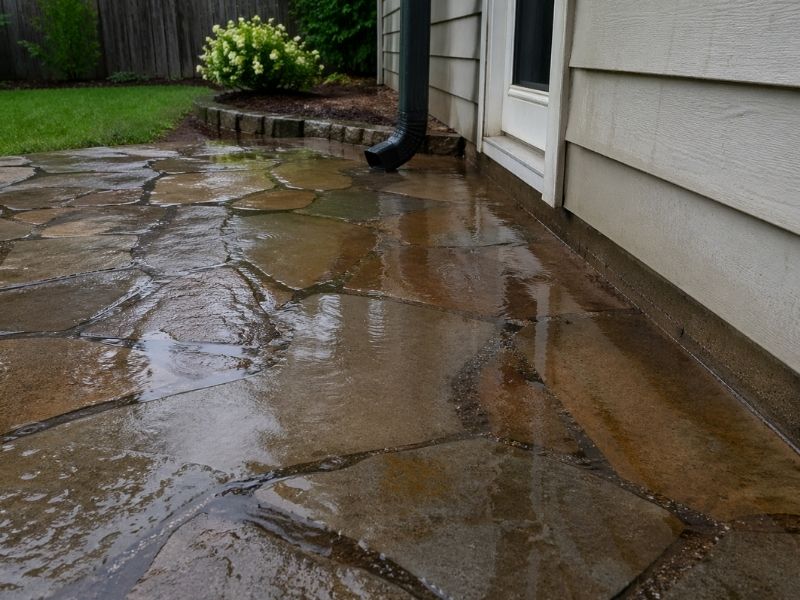
Wet natural stone pavers beside a home showing water runoff and drainage after heavy rain

What Are Stone Pavers and Why Do Homeowners Use Them?

People use stone pavers for walkways, pool areas, outdoor seating spaces, driveways, and entry points. They come in different materials and each one has strengths and weak spots.

A stone that works well around a pool may not be the best fit for a driveway. A paver that looks great in photos may become slippery after rain.

The goal is simple. Match the stone to the job.

Start With the Purpose of the Space

Homeowners often compare different stone hardscape options before choosing materials for walkways, seating areas, and outdoor gathering spaces.

Ask these questions:

  • Will people walk on it every day?
  • Will vehicles drive over it?
  • Will children play in the area?
  • Will the space stay in direct sun?
  • Does the area collect water after rain?

These answers narrow your options fast.

Walkways and Entry Areas

Walkways need comfort and grip. Smooth stones can become slick.

Good options:

  • Bluestone
  • Flagstone
  • Travertine
  • Textured limestone

Driveways

Driveways take weight and pressure.

Good options:

  • Granite
  • Thick concrete pavers
  • Dense natural stone

Thin decorative pavers often fail here.

Types of Stone Pavers Homeowners Commonly Choose

Every material acts differently.

Travertine

Travertine stays cooler than many materials. That makes it common around pools and outdoor seating spaces.

Pros:

  • Cooler underfoot
  • Natural appearance
  • Slip resistant options available

Cons:

  • Can stain without sealing
  • Needs upkeep

Flagstone

Flagstone gives a natural and relaxed look.

Pros:

  • Unique appearance
  • Different shape options
  • Good traction

Cons:

  • Irregular installation layout
  • Higher labor cost

Granite

Granite is tough.

Pros:

  • Handles heavy traffic
  • Strong surface
  • Long lifespan

Cons:

  • Higher material cost
  • Can feel hot in direct sun

Limestone

Limestone works well for clean and simple designs.

Pros:

  • Soft appearance
  • Light color choices
  • Good for outdoor spaces

Cons:

  • Can scratch easier than granite

Size Matters More Than People Think

Large pavers create a cleaner look.

Smaller pavers create more visual detail.

Large pieces may reduce joint lines. That helps create a modern style.

Small pieces may work better in curved spaces.

Do not choose based only on photos. A paver that looks great online may look too busy in a real yard.

Pay Attention to Surface Texture

Texture changes safety.

Smooth surfaces often look great. Wet surfaces tell a different story.

Areas near water need grip.

Look for:

  • Tumbled finishes
  • Textured surfaces
  • Natural cleft finishes
  • Non-slip ratings

Shiny surfaces often become a problem outdoors.

Think About Maintenance Before Buying Stone Pavers

Many people focus on appearance and forget upkeep.

Ask:

  • Does it need sealing?
  • How often?
  • Does it stain easily?
  • Can weeds grow between joints?

Natural stone usually needs more care than manufactured products.

Some homeowners love the look and do not mind extra work.

Others regret the choice later.

Color Choice Can Affect Heat

Dark colors absorb more heat.

Lighter colors stay cooler.

This matters around:

  • Pools
  • Outdoor kitchens
  • Seating areas
  • Spaces used during summer

A dark stone may look great but feel too hot to walk on.

Don’t Ignore Drainage

Drainage problems ruin outdoor projects.

Water should move away from structures and walkways.

Poor drainage can cause:

  • Standing water
  • Surface shifting
  • Uneven areas
  • Long-term damage

Good installation matters as much as the paver itself.

Work With a Mason Before Making Final Decisions

Samples help.

Photos help.

Seeing pavers in person helps more.

Experienced masonry contractors often spot problems before installation starts. They can explain what works and what usually causes trouble.

That can save money and frustration later.

Frequently Asked Questions

How long do stone pavers last?

Natural stone pavers can last for decades when installed correctly and maintained.

Do stone pavers need sealing?

Some materials benefit from sealing. Travertine and limestone often receive added protection.

Which stone pavers stay cooler?

Travertine is known for staying cooler under direct sun.

Are stone pavers slippery?

Some smooth surfaces become slick when wet. Texture matters.

Which stone paver works best for driveways?

Granite and heavy-duty pavers handle vehicle traffic better than lighter materials.

Posted in Brick | Tagged stone masonry, stone pavers

© Copyright Madison Brick & Stone
Madison, Alabama ​35758
Phone: (256) 270-2702

Privacy Policy | Terms of Use

Web Development and SEO by: AuburnBusiness.com

The owner of this website, AuburnBusiness, LLC, provides marketing for local skilled labor businesses in the Huntsville and Madison, AL area.

↑