↓
 

Madison Brick & Stone

Brick & Stone Masons in Madison, AL

Madison Brick & Stone
  • Home
  • Brick Masonry
  • Stone Masonry
  • Indoor Fireplaces
  • Outdoor Fireplace
Home→Tags stone masonry - Page 2 << 1 2 3 >>

Tag Archives: stone masonry

Post navigation

← Older posts
Newer posts →

Stone Hearth Materials: Which One Holds Up Best

Madison Brick & Stone Posted on June 8, 2026 by madisonBSJune 16, 2026
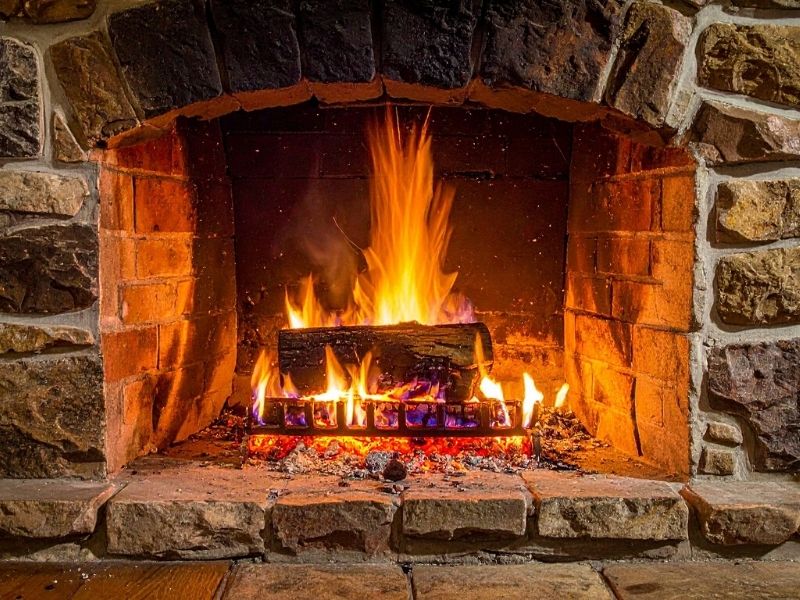
Natural stone fireplace hearth with burning logs showing durable masonry materials

The stone hearth is the most heat-exposed surface in any fireplace setup. It takes direct radiant heat, foot traffic, dropped logs, and years of use. Choosing the wrong material means cracks, staining, and an expensive fix down the road. This article breaks down the most common stone hearth options so you know exactly what you’re getting before anything gets installed.

What a Hearth Actually Does

The hearth is the flat surface at the base of a fireplace. It extends out into the room in front of the firebox opening. Its job is partly structural and partly protective. It keeps heat and embers off the floor, handles the weight of fireplace tools and accessories, and takes whatever abuse comes with regular use.

Not every stone performs equally under those conditions. Some crack under thermal stress. Some stain within months. Some look great for a decade with almost no attention at all.

Stone Hearth Options and How They Perform

Granite

Granite is the most popular choice for a reason. It’s dense, hard, and handles heat without cracking under normal fireplace conditions. Surface scratches are rare. It resists staining well, especially when sealed, and it holds up to cleaning without losing its finish.

The downside is cost. Granite runs higher than most other options, and thicker slabs cost considerably more. Color and pattern variation is wide, which makes matching an existing room easy but also means two slabs from the same quarry can look noticeably different.

For a wood-burning fireplace with heavy use, granite is the most forgiving material on this list.

Bluestone

Bluestone is a dense sandstone with a naturally flat cleft surface. It’s commonly used for outdoor work but performs well indoors too. The texture gives it good grip underfoot, which matters around a fireplace where ash and debris collect.

It doesn’t polish to a glossy finish, so it suits more casual or rustic room styles. Heat resistance is solid. Staining is the bigger concern since bluestone is more porous than granite and needs sealing to stay clean near a working fireplace.

Slate

Slate splits into flat layers, which makes it easy to cut and install. The surface has a natural matte texture that looks good in traditional and contemporary rooms alike.

The problem with slate is brittleness. Thin slate tiles crack under impact more easily than granite or bluestone. A dropped fireplace tool can chip or split a slate hearth that would barely mark a granite one. If you go with slate, thicker is better. Anything under three-quarters of an inch is a risk.

Slate also fades over time near direct heat. The deep gray or green tones common in slate can lighten or shift in color after years of heat exposure. Some homeowners don’t mind it. Others find it frustrating.

Limestone

Limestone has a soft, warm look that works well in traditional and farmhouse-style rooms. It cuts cleanly and installs well.

The catch is softness. Limestone is significantly softer than granite and scratches more easily. It’s also highly porous and reacts badly to acidic cleaners, which rules out most common household products. Around a fireplace, ash residue and cleaning chemicals can stain or etch the surface quickly without a proper sealant applied regularly.

Limestone works best in a lower-use fireplace, decorative or gas-burning setups where direct heat and physical abuse are limited.

Travertine

Travertine is a form of limestone with a distinctive pitted surface. Those pits are natural voids in the stone. On a hearth, they collect ash, debris, and cleaning product residue. Filled travertine, where the voids are grouted before installation, performs better than unfilled, but neither version is ideal for a heavily used wood-burning fireplace.

It’s a popular material for indoor floors and surrounds, but for a hearth specifically it requires more maintenance than most homeowners expect.

Soapstone

Soapstone is the outlier on this list. It’s softer than granite but has exceptional thermal properties. It absorbs heat slowly and releases it gradually, which makes it one of the best materials for a hearth from a pure heat-management standpoint.

The softness means it scratches easily. Those scratches can be sanded out, which is either a practical benefit or an ongoing chore depending on your perspective. Soapstone also darkens over time as it absorbs mineral oil, which many homeowners apply to even out the color as the stone ages. The final appearance is a deep charcoal gray that looks good in most settings.

For a homeowner who wants a hearth material with genuine heat-handling ability and doesn’t mind light maintenance, soapstone is worth serious consideration.

Surface Finish and What It Changes

The finish on a stone hearth affects both appearance and practicality.

Polished finishes look sharp but show every scratch, ash smear, and footprint. Honed finishes (matte but smooth) are more forgiving in daily use. Natural cleft or textured finishes hide marks well but collect fine debris in the surface texture.

For most working fireplaces, honed is the most practical finish. It reads as clean even when it isn’t perfectly spotless.

What to Ask Before Choosing

A few questions narrow the field fast.

How often is the fireplace actually used? A wood-burning fireplace used weekly puts far more stress on a hearth than a gas insert used occasionally. Materials that work fine for the second scenario sometimes fail for the first.

What does the room look like? Soapstone and bluestone suit casual spaces. Polished granite fits formal ones. Limestone works in warm traditional rooms but needs babying.

What’s the floor around it? The hearth needs to read as intentional against whatever flooring surrounds it. A stone that clashes or competes with the floor material is going to bother you every day.
Posted in Brick | Tagged stone masonry

How to Choose the Right Stone Pavers

Madison Brick & Stone Posted on June 1, 2026 by madisonBSMay 27, 2026

Stone pavers can change the look and feel of an outdoor space. The wrong choice can lead to cracks, uneven surfaces, or extra costs later. The right choice fits the space, handles daily use, and lasts for years. Picking stone pavers is not just about color. Material, size, finish, and use all matter.

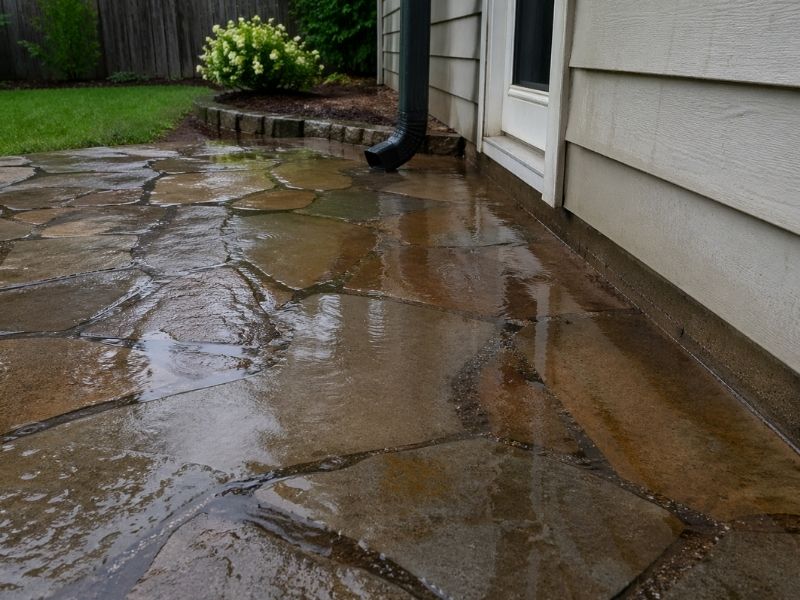
Wet natural stone pavers beside a home showing water runoff and drainage after heavy rain

What Are Stone Pavers and Why Do Homeowners Use Them?

People use stone pavers for walkways, pool areas, outdoor seating spaces, driveways, and entry points. They come in different materials and each one has strengths and weak spots.

A stone that works well around a pool may not be the best fit for a driveway. A paver that looks great in photos may become slippery after rain.

The goal is simple. Match the stone to the job.

Start With the Purpose of the Space

Homeowners often compare different stone hardscape options before choosing materials for walkways, seating areas, and outdoor gathering spaces.

Ask these questions:

  • Will people walk on it every day?
  • Will vehicles drive over it?
  • Will children play in the area?
  • Will the space stay in direct sun?
  • Does the area collect water after rain?

These answers narrow your options fast.

Walkways and Entry Areas

Walkways need comfort and grip. Smooth stones can become slick.

Good options:

  • Bluestone
  • Flagstone
  • Travertine
  • Textured limestone

Driveways

Driveways take weight and pressure.

Good options:

  • Granite
  • Thick concrete pavers
  • Dense natural stone

Thin decorative pavers often fail here.

Types of Stone Pavers Homeowners Commonly Choose

Every material acts differently.

Travertine

Travertine stays cooler than many materials. That makes it common around pools and outdoor seating spaces.

Pros:

  • Cooler underfoot
  • Natural appearance
  • Slip resistant options available

Cons:

  • Can stain without sealing
  • Needs upkeep

Flagstone

Flagstone gives a natural and relaxed look.

Pros:

  • Unique appearance
  • Different shape options
  • Good traction

Cons:

  • Irregular installation layout
  • Higher labor cost

Granite

Granite is tough.

Pros:

  • Handles heavy traffic
  • Strong surface
  • Long lifespan

Cons:

  • Higher material cost
  • Can feel hot in direct sun

Limestone

Limestone works well for clean and simple designs.

Pros:

  • Soft appearance
  • Light color choices
  • Good for outdoor spaces

Cons:

  • Can scratch easier than granite

Size Matters More Than People Think

Large pavers create a cleaner look.

Smaller pavers create more visual detail.

Large pieces may reduce joint lines. That helps create a modern style.

Small pieces may work better in curved spaces.

Do not choose based only on photos. A paver that looks great online may look too busy in a real yard.

Pay Attention to Surface Texture

Texture changes safety.

Smooth surfaces often look great. Wet surfaces tell a different story.

Areas near water need grip.

Look for:

  • Tumbled finishes
  • Textured surfaces
  • Natural cleft finishes
  • Non-slip ratings

Shiny surfaces often become a problem outdoors.

Think About Maintenance Before Buying Stone Pavers

Many people focus on appearance and forget upkeep.

Ask:

  • Does it need sealing?
  • How often?
  • Does it stain easily?
  • Can weeds grow between joints?

Natural stone usually needs more care than manufactured products.

Some homeowners love the look and do not mind extra work.

Others regret the choice later.

Color Choice Can Affect Heat

Dark colors absorb more heat.

Lighter colors stay cooler.

This matters around:

  • Pools
  • Outdoor kitchens
  • Seating areas
  • Spaces used during summer

A dark stone may look great but feel too hot to walk on.

Don’t Ignore Drainage

Drainage problems ruin outdoor projects.

Water should move away from structures and walkways.

Poor drainage can cause:

  • Standing water
  • Surface shifting
  • Uneven areas
  • Long-term damage

Good installation matters as much as the paver itself.

Work With a Mason Before Making Final Decisions

Samples help.

Photos help.

Seeing pavers in person helps more.

Experienced masonry contractors often spot problems before installation starts. They can explain what works and what usually causes trouble.

That can save money and frustration later.

Frequently Asked Questions

How long do stone pavers last?

Natural stone pavers can last for decades when installed correctly and maintained.

Do stone pavers need sealing?

Some materials benefit from sealing. Travertine and limestone often receive added protection.

Which stone pavers stay cooler?

Travertine is known for staying cooler under direct sun.

Are stone pavers slippery?

Some smooth surfaces become slick when wet. Texture matters.

Which stone paver works best for driveways?

Granite and heavy-duty pavers handle vehicle traffic better than lighter materials.

Posted in Brick | Tagged stone masonry, stone pavers

Stone Patio Ideas: Popular Layouts, Patterns, and Designs

Madison Brick & Stone Posted on May 28, 2026 by madisonBSMay 27, 2026
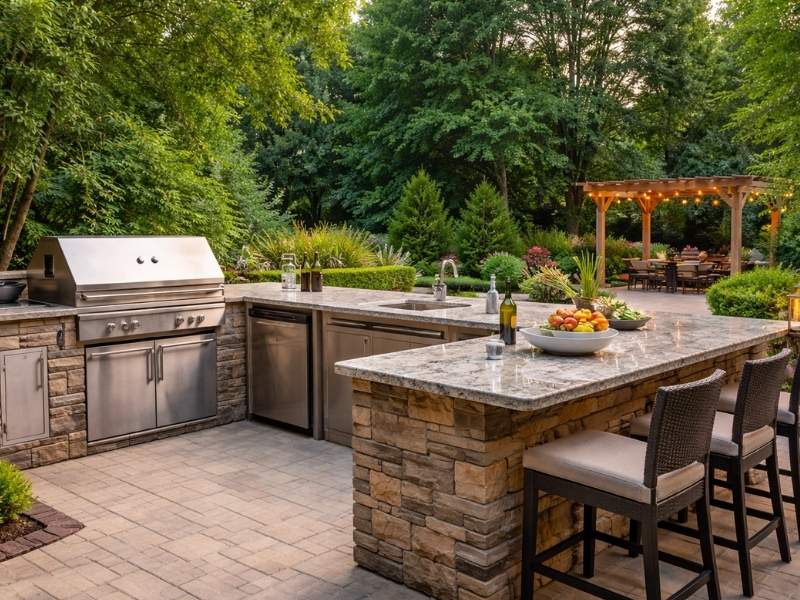
Stone patio with an outdoor kitchen, seating area, and backyard entertainment space surrounded by landscaping

Stone patio choices go far beyond picking a material you like the look of. The layout and pattern you choose affects how the yard flows, how much the project costs, and how the finished surface holds up over time. Before picking materials or calling a mason, it helps to know what your options actually look like.

Here is a breakdown of the most popular stone patio layouts, patterns, and designs.

What Makes a Stone Patio Layout Work

A good layout does two things. It fits the shape of your yard, and it supports how you plan to use the space.

A patio used mainly for seating needs different dimensions than one built around an outdoor kitchen or fire pit. A narrow side yard calls for a different shape than a wide open backyard.

Three basic shapes work for most residential patios:

Rectangular or square layouts are the most common. They are straightforward to install, easy to furnish, and tend to cost less in labor because cuts are minimal.

L-shaped layouts work well for corner spaces or yards where you want to separate a dining area from a lounge area without building two separate patios.

Freeform layouts follow the natural curves of the yard. They look less formal and work well in gardens with irregular shapes. They take more time to install because every edge cut is different.

Popular Stone Patio Patterns

The pattern you choose changes the entire look of a patio. Some patterns suit natural stone better. Others work best with cut stone or pavers.

Running Bond

This is the most recognizable pattern. Stones are laid in rows with each joint offset by half a stone. It reads clean and structured. Most homeowners recognize it from brick sidewalks and driveways.

Running bond works well for rectangular patios and long narrow spaces. It draws the eye in a single direction, which can make a space feel longer.

Stacked Bond (Grid Pattern)

Stones are aligned in straight rows both horizontally and vertically. The joints line up. This gives a more formal, geometric look.

It works best with precisely cut stone. Irregular or natural flagstone does not suit this pattern well because small size variations make straight alignment difficult.

Herringbone

Stones are set at 45-degree or 90-degree angles in a zigzag pattern. Herringbone handles foot traffic well because the interlocking angles distribute weight evenly across the surface. That makes it a strong choice for high-use areas.

It takes more cuts and more time to install than running bond. Expect the labor cost to reflect that.

Ashlar (Random Rectangular)

Ashlar uses rectangular stones of different sizes placed together with no repeating pattern. The joints stay straight but the stone sizes vary. It looks planned but not rigid.

This is one of the most popular patterns for natural stone patios. It suits flagstone and bluestone well and gives a clean look without the uniformity of a grid.

Irregular Flagstone

Stones are cut or sourced in irregular shapes and fitted together like a puzzle. Joints are not straight. No two sections look the same.

This pattern suits rustic or garden-style yards. The installation requires more skill because each piece has to be shaped and fitted by hand. Gaps between stones are typically filled with gravel, sand, or ground cover plants.

Stone Patio Design Ideas by Use

The way you use the patio should drive the design as much as personal taste.

For dining and entertaining: A rectangular layout with a flat ashlar or running bond pattern gives you a stable, level surface that works well under tables and chairs. Natural stone like bluestone or granite holds up under furniture weight without cracking.

For a garden or relaxed setting: An irregular flagstone layout with planted joints fits better here. The organic look blends into landscaping more naturally than a rigid grid.

For pool surrounds: Smooth-cut stone in a running bond or stacked pattern works well. Travertine and granite are popular choices because their natural texture reduces slip risk when wet. A stone patio can last up to 100 years with proper installation and periodic sealing.

For walkways and transitions: A narrower herringbone or running bond strip connecting the house to the patio creates a finished look and protects the lawn from foot traffic.

What to Think About Before You Commit

Three things affect which pattern is practical for your project.

Stone type. Irregular natural stone does not suit grid patterns. Cut stone or concrete pavers work better for geometric layouts. Make sure the pattern matches the material.

Base preparation. Every stone patio needs a properly compacted gravel base and a sand layer for drainage and leveling. Skipping or rushing this step causes stones to shift, sink, or crack regardless of which pattern is on top. A standard base uses 6 inches of gravel and 1 inch of sand beneath the stone layer.

Slope and drainage. A patio that does not drain properly holds water against the house or turns into a puddle after every storm. The surface should slope away from any structures at a rate of about 1/8 inch per foot.

A mason will assess all three before laying a single stone. If yours does not, that is worth asking about before work starts. Look for someone experienced in masonry work who can evaluate your base, drainage, and slope before committing to a pattern. A mason will assess all three before laying a single stone. If yours does not, that is worth asking about before work starts.

Frequently Asked Questions

What is the most popular stone patio pattern? 

Running bond and ashlar (random rectangular) are the two most common patterns for residential stone patios. Running bond suits cut stone and pavers. Ashlar works well with natural flagstone and bluestone.

How long does a stone patio last? 

A properly installed stone patio can last up to 100 years. The stone itself is rarely the problem. Base preparation and drainage determine how long the surface stays level and crack-free.

What stone type is best for a patio? 

Granite and slate are among the most durable options for outdoor patio surfaces. Bluestone is popular for its appearance and durability. Travertine works well in warmer climates. Porous stones like limestone are less suited to areas with heavy rain or freeze-thaw cycles.

Does the pattern affect the cost? 

Yes. Herringbone and irregular flagstone patterns require more cuts and more installation time than running bonds or stacked bonds. More complex patterns increase labor costs.

How thick should patio stones be? 

Most patio stones should be at least 1.5 to 2 inches thick. Thinner stones crack more easily under furniture weight and foot traffic. Natural flagstone is often 1.5 to 2.5 inches thick depending on the stone type.

Posted in Brick | Tagged stone masonry, stone patio

Post navigation

← Older posts
Newer posts →

© Copyright Madison Brick & Stone
Madison, Alabama ​35758
Phone: (256) 270-2702

Privacy Policy | Terms of Use

Web Development and SEO by: AuburnBusiness.com

The owner of this website, AuburnBusiness, LLC, provides marketing for local skilled labor businesses in the Huntsville and Madison, AL area.

↑