Stone Pavers for Garden Courtyards Between House Additions
A courtyard tucked between two parts of a house can become the most-used spot on the property. It can also turn into a soggy, awkward gap that nobody walks through. The difference usually comes down to how the paving, drainage, and connections are planned before any stone goes down. Stone pavers are a strong fit for these spaces because they handle foot traffic well and pair easily with most home exteriors.
Planning Stone Paver Walkways Between House Additions
Start with how people will actually move through the space. Map the doors on each side, the route to the driveway or yard, and any spots where people will stop, like a bench or grill area. The main walkway should follow those natural routes instead of cutting across planting beds at odd angles. If a path ignores real habits, people skip it and wear a dirt trail right beside it.
Width matters a lot in tight courtyards. Many main walkways feel comfortable at 4 to 5 feet, which leaves room for two people to pass or for someone to carry patio furniture through. Side paths to a garden bed or gate can be narrower. Your mason can help size each path based on how you’ll use the space.
Look closely at what’s already there, too. An existing brick patio, retaining wall, or outdoor fireplace nearby should shape the new layout so everything feels planned. It’s also smart to check older masonry for cracks or settling first, since repairs are much easier before new paving goes in around it.
Choosing Stone Pavers for Courtyard Use
The best stone pavers for a courtyard have a slip-resistant surface, a thickness suited to foot traffic, and a color that works with both additions. Courtyards often get more shade than open yards. Shaded stone can stay damp longer and grow moss, so a textured finish like thermal or tumbled is usually safer than a smooth, polished face. Ask to see samples wet, because some stones change color quite a bit after rain.
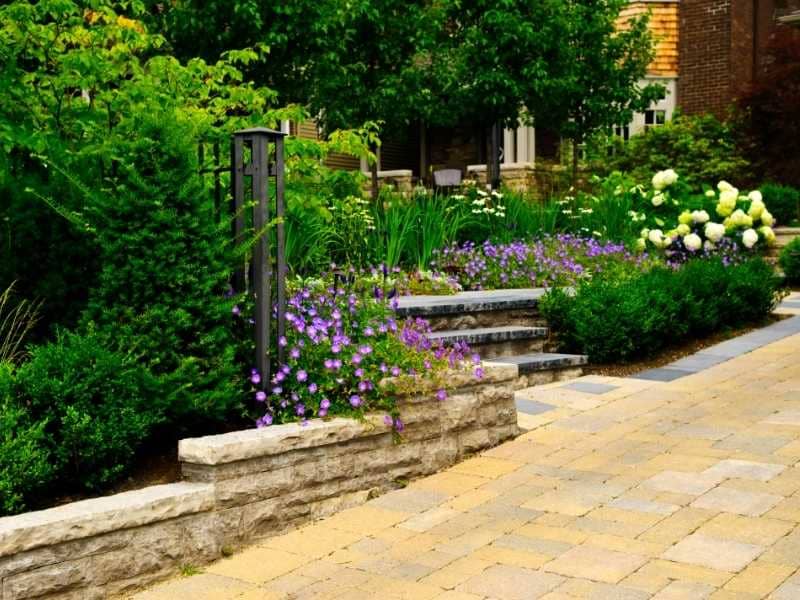
The look of the house matters as well. Natural stone like bluestone, flagstone, or travertine gives a varied, organic feel. Brick pavers can be a better match when the additions have brick siding or when you want a classic pattern. Some owners combine the two, using a brick masonry border around a stone field. No single material is right for every home, so compare appearance, upkeep, budget, and how well each option matches your existing brick or stone masonry.
Creating Smooth Transitions Between Indoor and Outdoor Areas
A good transition lets people step outside without tripping or feeling like they’ve left the home behind. The paver surface should sit at a height that works with each door threshold while still letting water drain away from the house. Getting that balance right takes careful grading. It’s one of the first things to talk through with your contractor.
Handling Changes in Elevation
Additions built at different times often sit at different floor heights, and the ground between them may slope. A low retaining wall or a short run of stone steps can turn that slope into a level, usable area. Seat walls also give people a place to sit, which helps the courtyard feel like an outdoor room. Whether a wall needs engineering depends on its height, the soil, and the design, so raise the question early.
If an outdoor kitchen or outdoor fireplace sits near the courtyard, carry the same stone or border color toward it. That creates a clear, easy path between spaces. Repeating one or two materials usually looks cleaner than switching pavers in every zone.
Managing Drainage Around a Stone Paver Courtyard
Drainage is the biggest risk in a courtyard between additions. The space is often boxed in on two or three sides, and roof runoff from both buildings can land in the same spot. The paving needs a gentle slope that moves water away from foundations and toward a safe outlet. The right slope and outlet depend on your site, so plan them before the base is built.
Before work starts, check where your gutters and downspouts drain today. Watch the courtyard during a heavy rain if you can. Standing water, mud splashed on siding, or soggy soil near a wall all point to problems the new paving has to solve. Depending on the property, fixes may include rerouting downspouts, adding a channel drain, or setting a catch basin.
Building for Durability and Easier Long-Term Maintenance
Most paver problems start below the surface. A solid base usually means digging out soft soil, adding compacted crushed stone, and topping it with a thin leveling layer. The right depth depends on your soil, traffic, and paver type. When compaction is rushed or the base is cut thin, pavers tend to sink or rock within a few seasons.
Edges need attention as well. House walls hold some sides in place, but open edges near garden beds still need a firm border, like a brick soldier course or a concrete edge set below grade. Polymeric sand in the joints can cut down on weeds and washout when it’s installed correctly.
Upkeep stays simple when the courtyard is built well. Sweep often, clear leaves before they stain, and rinse moss from shady corners. Check the joints once a year and refill any spots where rain has washed sand out.
A short planning talk can prevent most courtyard problems. Bring photos of the space after rain if you have them. Before digging starts, go over these points with your mason:
- Where roof water and surface water will drain
- How the paving will meet each door threshold
- Whether any existing patio, wall, or fireplace needs repair first
- Which pavers suit the shade, moisture, and style of the house
- How the base and edges will be built
Frequently Asked Questions
Are stone pavers a good choice for shaded courtyards?
Yes, stone pavers can work very well in shade when you pick the right finish. Textured surfaces like thermal or tumbled stone give better grip when damp. Shaded areas stay wet longer, so moss can show up in corners. Good drainage and regular sweeping help keep the surface safe and clean.
Should I use brick pavers or stone pavers between additions?
It depends on the look of your home, your budget, and the upkeep you want. Brick pavers often match homes with brick siding and suit traditional patterns. Stone pavers give a more natural, varied look. Many courtyards mix both, with brick as a border and stone as the main surface.
How do I keep water from pooling next to the house?
The paving should slope gently away from the foundation toward a safe outlet. Downspouts that dump into the courtyard may need to be rerouted. Some sites also need a channel drain or catch basin. A mason should check how water moves on your property before setting the final grade.
How long do stone pavers last in a courtyard?
Well-installed stone pavers can last for decades with basic care. Their lifespan depends on the stone type, base quality, drainage, and traffic. Most failures come from a weak base or poor drainage rather than the stone itself. Sweeping, refilling joints, and fixing loose pavers early all help them last longer.
Can new pavers tie into an existing patio or retaining wall?
In most cases, yes, and it often makes the space feel more complete. The existing masonry should be checked for cracks, leaning, or settling first. Repairs are easier to handle before new paving goes in around them. Matching or complementing the old material helps the old and new areas blend together.
