How Can a Brick Fireplace Fit Around a Wall-Mounted TV?
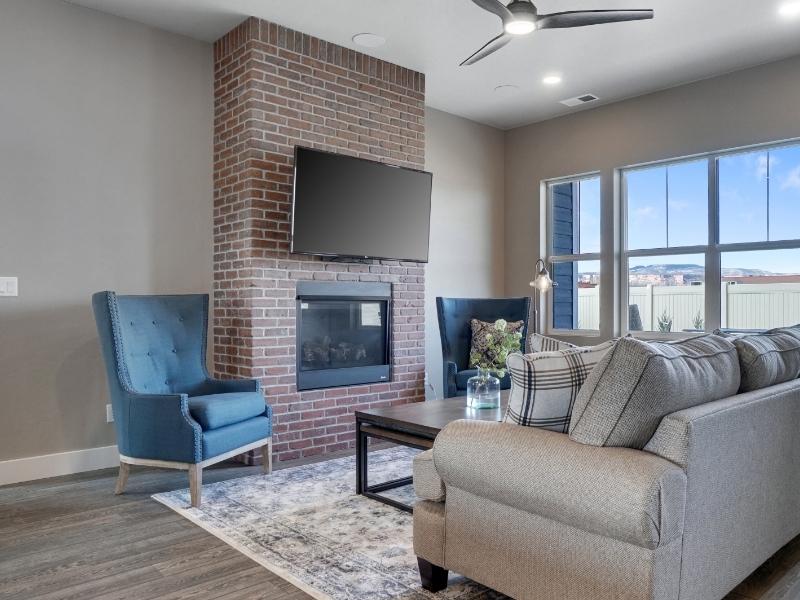
You want the TV above the fireplace and the brick to look sharp. Done wrong, the screen sits too high, the wires show, and the wall feels crowded. Done right, the two blend into one clean focal point. The secret is planning the whole wall before the first brick goes up. A little forethought saves you from a hot TV, a stiff neck, and a messy tangle of cords.
A brick fireplace is a strong anchor for any room. Add a screen above it, and you have a natural gathering spot. The trick is making them work together instead of fighting for attention.
Start With the Wall Layout Before Choosing the Brick Design
Measure first. The wall sets the limits for everything else. Before you pick a brick pattern or a TV size, map out the space you have to work with. This one step prevents most crowded, awkward walls.
Look at the whole wall as a unit. The fireplace, the TV, the mantel, and the open space all share it. Each needs room to breathe. If you plan the brick before you know the sizes, the pieces rarely fit well.
Start with these measurements:
- The full width and height of the wall
- The size and height of the firebox opening
- The TV size you plan to mount
- The mantel height and depth
The mantel deserves early thought. A mantel is the shelf that sits above the firebox. It often separates the fire below from the screen above. Its height affects how high the TV sits. Plan it so the TV lands at a comfortable viewing level, not up near the ceiling.
Many Madison homes have tall great rooms with big open walls. That space is a gift, but it can also tempt you to mount the TV too high. Measure the seating distance and eye level first. The goal is a screen you can watch without straining.
Create a Brick Surround That Frames the Screen
Brick can do more than sit under the TV. It can wrap around both the fireplace and the screen to make one balanced wall. A surround is the brick area that frames the firebox and the space above it. Designed well, it makes the TV look built in.
Think about proportion. Proportion is the balance of sizes across the wall. A narrow brick strip under a wide TV looks off. Brick that extends evenly around the screen looks planned. The border width on each side should feel even and intentional.
Pattern adds character. Brick can run in a standard running bond, a stacked pattern, or a herringbone accent. A simple pattern keeps the focus on the fire and the screen. A bold pattern makes the wall itself a feature. Match the choice to the room’s style.
You have a few ways to frame the screen:
- Extend brick full height, floor to ceiling, behind both
- Frame just the fireplace and set the TV in a recess above
- Use a brick border around the TV to tie it in
- Vary the brick color slightly to define zones
A recess is a niche set into the wall for the TV. It lets the screen sit flush with the brick for a clean look. It also helps hide the edges of the TV. A mason can plan this pocket into the brickwork from the start.
Plan the TV Position Around Fireplace Heat
Heat rises, and electronics do not like heat. So the TV’s position has to account for the fire below. This is a safety and lifespan issue, not just a design one. Get the spacing wrong, and the heat can shorten the life of your screen.
Every fireplace has clearance requirements. Clearance is the safe distance between the firebox and anything above or beside it. The manufacturer sets these numbers for a reason. Follow them for both the mantel and the TV.
The mantel often acts as a heat shield. It can deflect rising heat away from the screen. A deeper mantel gives more protection. Combined with the right separation, it helps keep the TV out of the hottest zone.
Keep these heat points in mind:
- Follow the fireplace maker’s clearance numbers
- Leave enough space between the firebox and the TV
- Use the mantel to help deflect rising heat
- Check whether your fireplace type runs hot
The type of fireplace matters. Some units throw more heat than others. Gas, wood, and electric models each behave differently. Confirm the clearances for your specific unit before you set the TV height. When timing or installation depends on it, check these details early.
Hide Wiring Without Losing Access Behind the Brickwork
Nothing ruins a clean fireplace wall like dangling cords. The wires need a home before the brick goes up. Plan the routing early, because opening finished brick later is hard and messy. A little wiring foresight keeps the wall smooth.
Think through every cable first. The TV needs power. It also needs connections for cable boxes, streaming devices, and sound. List what plugs in, then plan a path for each. This avoids surprises after installation.
Access is the part people forget. You will want to change a device or add a cord someday. So the routing needs an access point, not a sealed tomb. Conduit helps here. Conduit is a hollow tube run behind the wall that holds cables and lets you pull new ones later.
Plan these wiring details up front:
- An outlet placed behind the TV location
- Conduit or a chase for running cables
- A second outlet or box near the media gear
- A reachable access point for future changes
A chase is a hollow channel built into the wall for wires. Placing one behind the brick keeps cords hidden and reachable. Coordinate this with your electrician and mason before the brick is laid. The two trades need to plan together, or the timing slips.
Balance the Finished Fireplace Wall With the Room
The wall does not stand alone. It lives inside a room, and the room should agree with it. Balancing the finished fireplace wall with the space around it is what makes the design feel complete. Every choice should support one calm focal point.
Color sets the mood. Brick color affects how bold or soft the wall reads. A warm red brick feels traditional. A whitewashed or gray brick feels modern. Pick a tone that suits your furniture and floors, not one that fights them.
The mantel material and TV size play in too. A heavy wood mantel pairs well with rustic brick. A slim mantel suits a sleek screen. A giant TV over a small fireplace looks top-heavy. Match the sizes so neither piece overpowers the other.
Bring these final elements into balance:
- Brick color that suits the room’s palette
- A mantel material that fits the brick style
- A TV size that matches the fireplace scale
- Lighting that highlights the wall softly
- Furniture arranged toward the focal point
Lighting ties it together. Soft light near the wall reduces glare on the screen and shows off the brick. Place seating so the fireplace and TV feel like the heart of the room. When the whole wall works as one, the fireplace and television stop competing. They become a single planned feature.
