
Brickmason Details for Rebuilding Damaged Porch Wing Walls
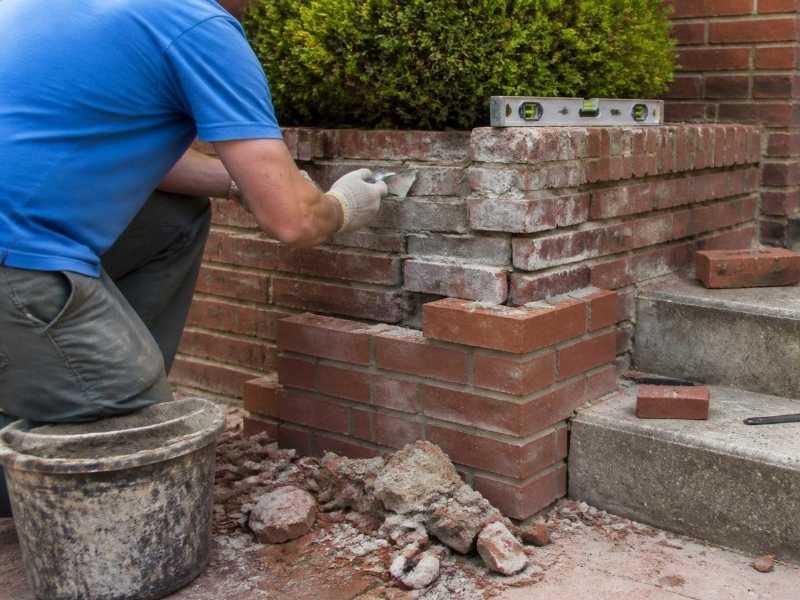
A porch wing wall does quiet, steady work. It frames the steps, holds a railing, and gives the porch a finished look. When it cracks, leans, or crumbles, the whole entry starts to look tired and unsafe.
Rebuilding one is not as simple as stacking new brick. Proper wall rebuilding starts with understanding why the original section failed. The brick, the footing, the connection to the porch, and the drainage all have to be right. Skip any of those, and the new wall can repeat the old wall’s fate.
Here is the takeaway. A porch wing wall rebuild needs a brickmason who handles the details, not just the brick. A brickmason is a tradesperson who builds and repairs brick structures. The sections below walk through what a good rebuild checks, from the cause of failure to the final drainage.
Assessing Why the Porch Wing Wall Failed
Every rebuild should start with one question: why did the wall fail? A wing wall rarely crumbles for no reason. Problems with drainage, movement, or nearby porch supports can all contribute. Finding the cause is what keeps the new wall from breaking down too.
A brickmason looks for the real source of the damage. Common causes include a settling footing, water getting into the masonry, or a missing connection to the porch. Each one leaves clues. Cracks, leaning, and crumbling mortar all point toward different problems.
Skipping this step is a costly mistake. Rebuild on a bad footing, and the new wall soon settles too. Ignore a water problem, and the fresh brick decays like the old. Signs a brickmason checks for include:
- Leaning or bulging in the old wall
- Cracks running through brick or mortar
- Crumbling or washed-out mortar joints
- Signs of settling at the base
- Water stains or moisture damage
Matching Brick, Mortar, and Existing Porch Details
A rebuilt wing wall should look like it belongs. That means matching the new work to the existing porch. A mismatch stands out and can hurt the home’s curb appeal.
Matching brick takes a trained eye. A brickmason works to match the size, color, and texture of the original brick. On an older home, that brick may be hard to find, so salvaged or close-match units may be needed. Getting this right helps the repair blend in.
Mortar matters just as much. Old mortar and new mortar can differ in color and strength. A brickmason matches the mortar so the joints look consistent. On older masonry, using a mortar that is too hard can actually damage the brick, so the mix is chosen with care.
Checking Footing Support Before Rebuilding the Wall
A wall is only as good as what it sits on. The footing is the base below ground that supports the wall. If the footing failed, rebuilding the wall alone will not hold.
A brickmason checks the footing before laying new brick. They look at whether it settled, cracked, or was ever built strong enough. In North Alabama, clay-heavy soil shifts with moisture and can move a footing over time. That movement is a frequent cause of wing wall damage.
Sometimes the footing needs work first. A brickmason may repair or replace it to give the new wall solid support. For serious structural concerns, a structural engineer may be involved. Confirming the footing early keeps the rebuild from settling again.
Tying the Rebuilt Wing Wall Into Existing Masonry
A wing wall connects to the porch and steps. How that connection is made decides whether the wall stays put. A poor tie-in is a common weak spot.
A brickmason plans how the new wall joins the existing masonry. The goal is a strong bond between the wing wall and the porch structure. Done well, the two act together instead of pulling apart. A wall that simply butts against the porch with no real connection tends to separate over time.
The tie-in also has to look clean. The joint where new meets old should blend into the pattern of the brick. A skilled brickmason lines up the coursing so the connection is barely visible. Coursing is the pattern of brick rows in a wall. This care keeps the repair looking like part of the original.
Managing Drainage Around the Finished Porch Wall
Water is the quiet enemy of masonry. Many wing walls fail because water was never managed around them. A good rebuild plans for drainage from the start.
A brickmason handles water in a few ways. Weep holes let water that gets behind the wall escape to the front. Weep holes are small openings built into the masonry for drainage. Proper flashing also directs water away from the wall and the porch.
The ground around the wall plays a role too. The grade should slope so water drains away from the base of the wall and steps. Standing water there can undermine the footing and decay the brick. Heavy rain is common around Madison, so this drainage plan protects the whole rebuild.
Frequently Asked Questions
Why did my porch wing wall crack or lean?
The cause is usually a footing, water, or connection problem. A settling footing can pull the wall out of line and crack it. Water getting into the masonry breaks down brick and mortar over time. A brickmason inspects the wall to find the real cause before rebuilding.
Can a brickmason match my old porch brick?
A skilled brickmason works to match the size, color, and texture of the original. On older homes, an exact match can be hard to find. Salvaged brick or a close-match unit may be used instead. Matching the mortar color and type helps the repair blend in too.
Do I need to fix the footing before rebuilding?
Often yes, especially if the footing caused the failure. Rebuilding on a weak or settled footing just repeats the problem. A brickmason checks the footing and repairs or replaces it if needed. For serious structural issues, a structural engineer may be involved.
How does a rebuilt wing wall connect to the porch?
A brickmason ties the new wall into the existing porch masonry. The goal is a strong bond so the two move together, not apart. The connection is also blended into the brick pattern for a clean look. A proper tie-in is what keeps the wall from separating later.
Do I need a permit to rebuild a porch wing wall?
You might, since masonry and structural work often fall under local rules. Permit requirements can vary by municipality and county. A larger structural rebuild is more likely to need one. Check with a brickmason or your local office before starting.
