
Brick Repair Around Exterior Faucet and Meter Penetrations
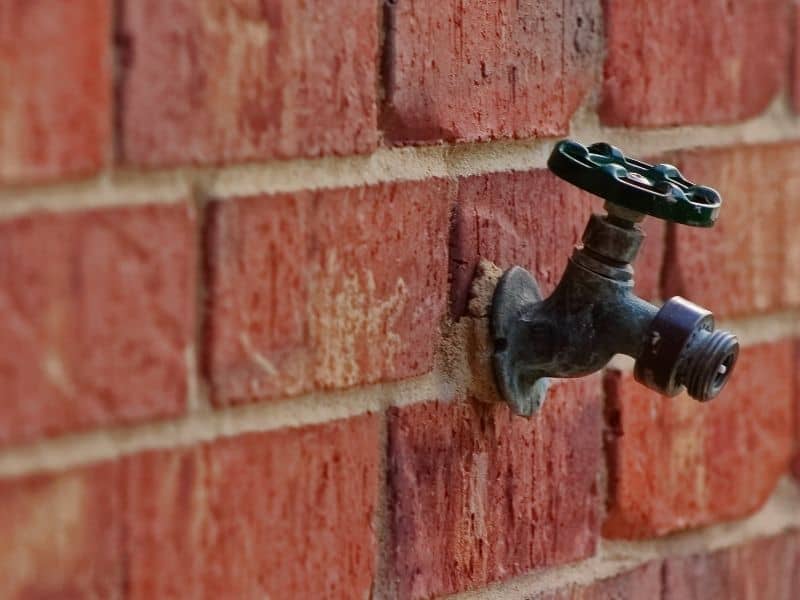
Some of the hardest-working spots on a brick wall are also the smallest. Outdoor faucets, gas meters, electric meters, and the pipes behind them all punch holes through the brick, and each hole is a place where water, movement, and rough patch work can cause trouble. Brick repair around these penetrations is common, and it usually fails when the patch hides the real problem.
The right order matters. Find out why the brick is cracking, staining, or loosening, fix that cause, then rebuild and seal the opening with materials that allow for movement. A small, careful repair now can keep water out of the wall for years.
Why Brick Fails Around Faucets and Meters
A wall penetration is any spot where a pipe, wire, vent, or fixture passes through or mounts to the brick. Most brick homes have several, and they’re often added or changed long after the original brick masonry was laid. Each one interrupts the wall, and those interruptions are where trouble starts.
Water is the most common cause of damage. A leaking faucet, a dripping supply line, or a slow leak inside the wall can soak the brick and mortar around the opening. Brick veneer usually has an air space and drainage path behind it, but extra water at a penetration can overload that system or get around it.
Movement is the second cause. Pipes expand, contract, and shift with use, and meters and service lines can move as soil settles. When mortar or patch material is packed tight against a pipe, that movement cracks the brick around it.
Common Problems at Exterior Penetrations
Problems around faucets and meters tend to look alike from house to house. Spotting them early keeps a small brick repair from turning into a bigger one. Watch for:
- Cracked or chipped brick around the opening
- Gaps or failed caulk around pipes and fixtures
- White, chalky deposits called efflorescence
- Rust streaks from steel straps, anchors, or fittings
- Loose or rocking faucets and mounting blocks
- Oversized holes filled with foam, mortar blobs, or nothing at all
- Damp brick or mortar that stays dark long after rain
Efflorescence is a white residue left behind when water moves through brick and carries salts to the surface. A little is common on many walls, but a fresh, heavy patch around a faucet often points to a leak. Treat it as a clue instead of a cleaning job.
Check inside the house too. Stains, soft drywall, or musty smells on the wall behind an exterior faucet can mean water is getting past the brick. That’s a sign the repair needs to go deeper than the face of the wall.
Fixing the Source Before Brick Repair
Patching brick over an active leak wastes money. The first step is figuring out what’s letting water in or forcing the brick to crack. That may involve a plumber, the utility company, or both.
Faucets are the easiest place to start. Check for drips at the spout, leaks at the handle, and water running down the wall when the hose is on. Some frost-resistant faucets can be damaged if a hose stays attached in freezing weather, so ask a plumber to check yours if you see water inside or below the faucet.
Meters need a different approach. Gas and electric meters connect to utility service, and work on them or their connections is usually handled by the utility or a licensed trade. Contact the right party before any masonry work near a meter, and don’t loosen or move meter equipment yourself.
Once the cause is fixed, give wet brick time to dry. Repairs placed over saturated masonry can trap moisture in the wall. Your mason can judge when it’s ready.
Repairing and Sealing Brick Around Pipes and Meters
Good brick repair at a penetration combines masonry work with the right sealant. Damaged brick is cut out and replaced, cracked mortar is removed and repointed, and the opening around the pipe is sized and sealed so the pipe can still move. The goal is a wall that sheds water and doesn’t crack again.
Repointing means raking or grinding out damaged mortar and packing in fresh mortar. The new mortar should match the existing mortar in color and strength as closely as possible. Mortar much harder than the brick can cause the brick to crack or flake over time.
The joint right around a pipe usually shouldn’t be solid mortar. A flexible exterior sealant, often installed over a foam backer rod, lets the pipe expand and shift without cracking the brick. Trim rings or mounting blocks made for brick walls can give a faucet a solid, sealed base.
Matching brick takes care. Replacement brick should come close in size, color, and texture, and salvaged brick from a hidden area sometimes works best. Ask your mason to show you a sample before the repair starts.
Preventing Future Damage at Wall Penetrations
Most damage around faucets and meters builds slowly. A few simple habits keep these spots in good shape. Small seasonal checks cost far less than any repair.
Disconnect hoses before freezing weather and fix drips as soon as you notice them. Point downspouts and sprinklers away from faucet and meter areas so the wall doesn’t stay wet. Keep mulch, soil, and plants from piling up against the brick near utility equipment, since buildup can hold moisture and hide damage.
Inspect sealant joints once or twice a year. Caulk around pipes can shrink, crack, or pull away as it ages. Replacing it early is a quick job that keeps water away from the mortar behind it.
Plan ahead when adding new penetrations. A new hose bib, generator connection, or charger line is easier to seal correctly when the hole is drilled to size and sealed during installation. Ask your mason or contractor how the opening will be finished before work begins.
Frequently Asked Questions
Why is the brick cracking around my outdoor faucet?
Common causes include water from a leak, movement of the pipe, and mortar packed too tightly around the fixture. Freezing water in a damaged faucet or nearby joints can also crack brick. Fixing the cause comes before the brick repair. A mason and a plumber can help pinpoint which one applies to your wall.
Can I caulk around the faucet myself?
Homeowners can often replace failed exterior caulk around a faucet. Use a sealant rated for exterior masonry and remove the old material first. If the brick is cracked or loose, or the opening is oversized, a mason should handle the repair. Caulk won’t fix a leak or a structural crack.
Who fixes brick around a gas or electric meter?
A mason can repair the brick, but the meter and its connections belong to the utility or require a licensed trade. Contact the utility before any work near the meter. They can advise on safe clearances and whether equipment needs attention first. Never loosen meter fittings or mounting hardware yourself.
What is the white powder around my faucet?
It’s likely efflorescence, a salt deposit left as water moves through brick and evaporates. Small amounts can appear on almost any brick wall. A new or heavy buildup near a faucet often signals extra water from a leak. Find and fix the water source before cleaning it off.
Will replacement brick match my wall?
A close match is usually possible, though exact matches can be hard on older homes. Masons compare size, color, and texture, and sometimes use salvaged brick from a less visible spot. Mortar color also affect how well the repair blends in. Ask to see samples before work starts.
