Why a Brick Mason Uses Different Mortar for Historic Brickwork
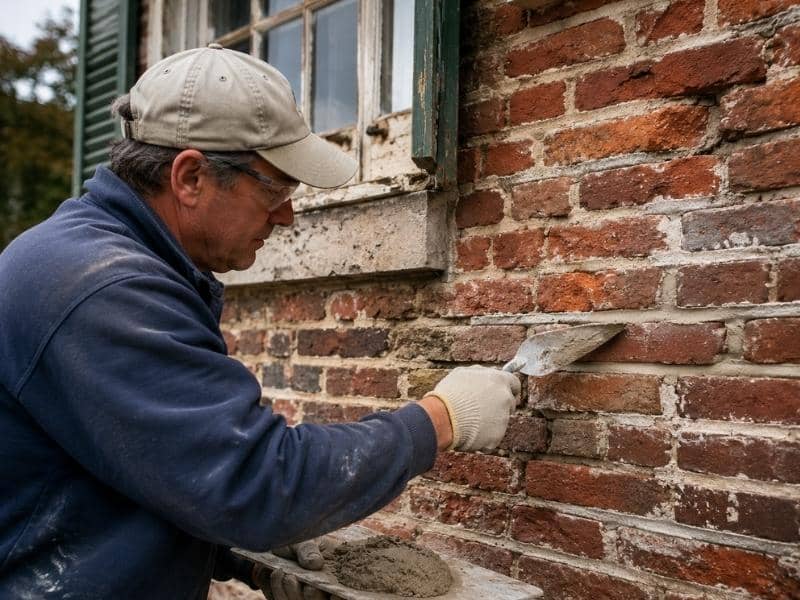
Old brick homes carry a quiet kind of strength. They’ve stood through years of rain, heat, and cold, and much of that toughness lives in the mortar between the bricks. A brick mason who works on these homes knows that repairs are rarely as simple as grabbing any bag of mix from the shelf. The wrong mortar can slowly harm the very brick it was meant to hold together.
So when a wall on an older home needs work, the mortar choice matters just as much as the skill of the hands doing it. This article breaks down why historic brickwork needs its own kind of mortar, and how a mason picks a mix that helps an old home last. The goal is repair that protects the house instead of stressing it.
Why Older Brickwork Cannot Always Use Modern Mortar
Older bricks are not the same as the bricks made today. Many were shaped by hand and fired in simple kilns, so they came out softer and more uneven. These bricks also soak up more water, because they have more tiny open spaces inside them. Modern bricks, on the other hand, are dense, hard, and built to keep water out.
Modern mortar is designed to match modern brick. It’s strong and stiff, which suits a hard brick just fine. But that same stiff mortar can be too tough for a soft old brick. When the two don’t behave alike, stress builds up in the wall, and the brick usually loses that fight.
How a Brick Mason Evaluates the Existing Mortar First
Before choosing anything new, a good mason studies the mortar that’s already there. They look at how hard it feels, how it crumbles, and what it’s made from. Old mortar often holds sand, lime, and small bits of stone or shell, and that mix tells the mason a lot about the home’s age.
Texture and color get a close look too. The mason checks the size and shade of the sand, since that shapes how the joint looks and works. They also note the condition, whether the mortar is sound, cracked, or washing away. All of these clues guide the new blend, so it acts like the original instead of fighting it.
Why the Strongest Mortar Is Not Always the Best Choice
It feels natural to think a stronger mortar means a stronger wall. With old brick, that idea can backfire. Mortar is meant to be the softer, weaker part of the wall on purpose. It should take the wear and cracking first, so the brick stays safe.
When mortar is harder than the brick around it, the roles flip in a bad way. The brick starts to absorb the stress from heat, cold, and moisture instead. Over time, the faces of the brick can crack, flake, or pop off. That’s why a mason aims for a mortar that’s a good match, not just the toughest one on the truck.
How Mortar Permeability Affects Older Brick
Old walls need to breathe. Water finds its way into masonry through rain, damp ground, and the air itself, and it has to have a way back out. In older homes, much of that moisture leaves through the mortar joints, which are softer and more open than the brick. A soft, breathable mortar gives the water an easy path to escape.
Hard modern mortar seals up that path. When the joints stop letting water pass, the moisture looks for another way out and moves through the brick instead. As that water dries and freezes, it pushes on the brick face and breaks it apart. So a mortar that breathes well can be the difference between a wall that lasts and one that slowly falls apart.
Matching Mortar While Preserving the Character of an Older Home
Repairs on an old home should be hard to spot. A mason works to match the new mortar to the color, texture, and feel of the old joints. They pick sand that matches the shade and grain, since sand gives mortar most of its color. The right blend lets a patch sit quietly next to work that’s a century old.
The shape of the joint matters just as much as the mix. Masons match the joint profile and the way it was tooled, whether it was pressed flat, rounded, or raked back. A joint finished the wrong way stands out, even when the color is perfect. Careful matching keeps the home looking the way it always has.
Frequently Asked Questions
Why can’t the same mortar be used on every brick home?
Bricks and mortar change a lot from one home to the next, based on age and how the house was built. An older home may have soft, hand-made brick, while a newer one has hard, machine-made brick. Because of that, the mortar has to fit the brick it sits next to. A mix that works well on a modern wall can slowly damage an older one.
Can mortar that is too hard damage older brick?
Yes, mortar that’s too hard can hurt soft older brick over time. When the mortar won’t flex or give, the brick ends up taking all the stress from weather and moisture. This can make the brick faces crack, flake, or break off at the edges. A softer, matching mortar protects the brick by taking that wear itself.
How does a brick mason choose the right mortar for historic brickwork?
A mason starts by studying the brick and the old mortar up close. They check the hardness, texture, color, and what the old mix is made from. They also look at the joint shape and the overall condition of the wall. Only after all that does the mason blend a mortar that matches and works with the existing masonry.
