↓
 

Madison Brick & Stone

Brick & Stone Masons in Madison, AL

Madison Brick & Stone
  • Home
  • Brick Masonry
  • Stone Masonry
  • Indoor Fireplaces
  • Outdoor Fireplace
Home→Tags stone mailbox

Tag Archives: stone mailbox

Masonry Mailbox Repair After Vehicle Impact or Storm Damage

Madison Brick & Stone Posted on August 31, 2026 by madisonBSSeptember 1, 2026

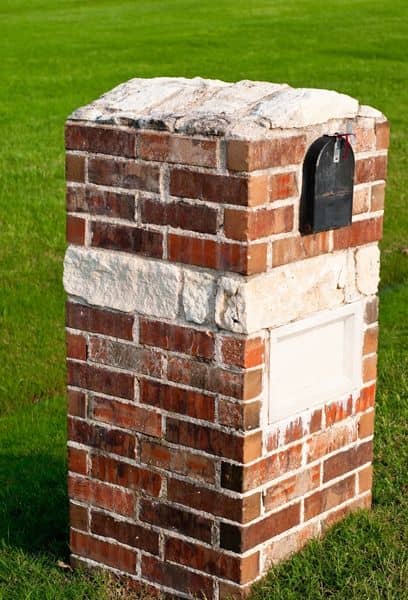
A brick or stone mailbox looks tough, but one hard impact can change that quickly. A truck may back into it, a trailer may clip the corner, or storm debris may strike the top. When that happens, masonry mailbox repair usually involves more than replacing a few broken bricks.

The visible crack or chip may only be part of the damage. Nearby mortar joints, masonry courses, or the mailbox insert may also have shifted. A proper repair starts by checking how far the impact traveled through the structure and determining which parts can stay and which parts need to be rebuilt.

What Roadside Impact Damage Looks Like Beyond the Broken Bricks

Broken bricks are usually the first thing homeowners notice, but they are not always the only problem. A hard hit can push entire rows of masonry slightly out of alignment without knocking them down completely.

Mortar joints may separate, leaving narrow gaps between bricks or stones. The mailbox insert can also shift, tilt, or pull away from the surrounding masonry. In some cases, the mailbox may still be standing upright even though part of the structure has loosened.

That is why impact damage should be looked at as a whole instead of judging the repair only by the most obvious crack.

Why the Damage Point Matters When Planning a Mailbox Repair

Where the impact occurred can affect how the damage spreads through the mailbox. A corner strike may loosen a different section than a direct hit to the front or side.

The area that looks worst is not always the only area that needs attention. An impact on one face can loosen adjoining bricks, separate nearby mortar joints, or shift masonry closer to the base.

A mason will typically inspect the damaged area and the surrounding sections to see how the impact moved through the structure. This helps determine the true repair area instead of replacing only the most visibly broken pieces.

When Only the Damaged Section of the Mailbox Can Be Rebuilt

Not every damaged masonry mailbox needs to be completely torn down. If the base and surrounding masonry remain stable, it may be possible to rebuild only the affected section.

Loose, cracked, or displaced bricks can be carefully removed while sound masonry stays in place. Replacement brick or stone can then be installed to restore the damaged area.

The new mortar joints should also be finished to match the width and profile of the existing joints as closely as possible. A localized repair can preserve more of the original mailbox while correcting the section affected by the impact.

Resetting the Mailbox Insert and Masonry After an Impact

The mailbox insert itself can move during an impact, even when the surrounding brick or stone does not appear badly damaged.

The insert may shift out of position, become loose, or make the mailbox door difficult to open and close. During the repair, the mason may need to reset the insert while rebuilding the surrounding masonry.

If the insert has been bent, cracked, or otherwise damaged, replacement may be necessary. The goal is to restore both the masonry and the working position of the mailbox so the finished structure functions properly again.

Restoring the Mailbox So the Repair Blends With the Original Masonry

A good repair should look like part of the original mailbox rather than an obvious patch.

Matching the replacement brick or stone is an important part of the process. Size, color, texture, and weathering can all affect how well the repaired area blends with the surrounding masonry.

Mortar also matters. New mortar can look noticeably different from older joints if the color or joint profile does not match. Decorative details, trim, address numbers, or other features may also need to be reset so everything lines up correctly.

Careful material matching and workmanship can make the repaired section blend much more naturally with the rest of the mailbox.

Frequently Asked Questions

How soon should I repair a mailbox after a vehicle hits it?

It is best to have the damage checked soon after the impact. Loose bricks, separated mortar joints, or shifted sections can become less stable over time, especially when exposed to rain and changing weather. Early inspection may also make it possible to repair only the damaged area instead of rebuilding a larger section.

Should I keep the broken bricks after the mailbox is hit?

Yes, if they can be collected safely. Even chipped bricks can help a mason compare the original color, size, texture, and style when looking for replacement materials. Keeping a few pieces may make it easier to achieve a closer match.

Do I need a permit to rebuild a roadside mailbox?

Requirements depend on local rules and where the mailbox is located. Some communities or roadway authorities have standards for mailbox placement near streets, shoulders, or public rights-of-way. If the mailbox needs major rebuilding or will be moved from its original location, check local requirements before work begins.
Posted in Masonry | Tagged brick masonry, stone mailbox

Stone Mailbox Features Homeowners Appreciate Years Later

Madison Brick & Stone Posted on July 1, 2026 by madisonBSJune 25, 2026
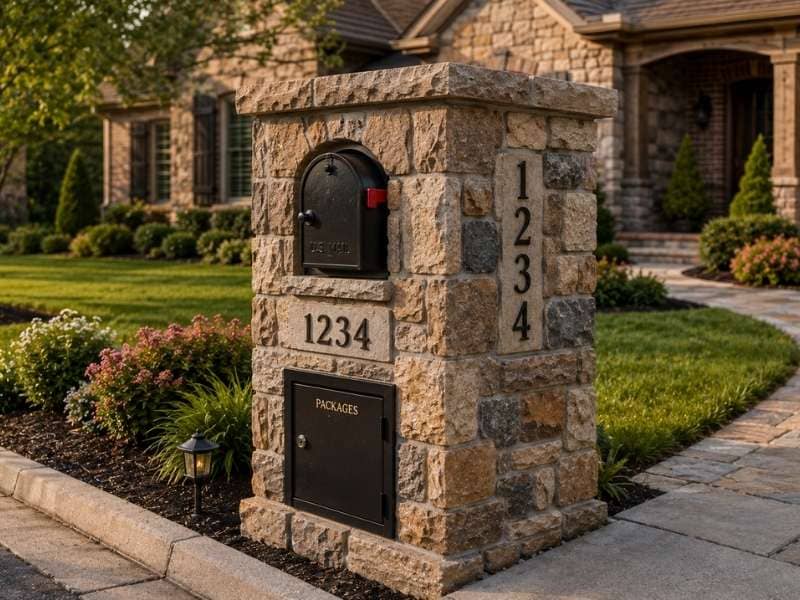
Stone mailbox with natural stone, oversized mailbox insert, package compartment, and visible house numbers built for lasting durability.

A stone mailbox does more than hold your mail. It’s one of those small upgrades that makes the whole front of a home look finished. Unlike wood or plastic options that crack, warp or fade within a few years, a properly built stone mailbox can stand for 30 to 50 years with very little upkeep.

How to Pick a Stone Mailbox That Matches Your Home

Match stone color and cut to your home’s existing exterior. Warm tan or brown stones suit brick homes. Gray tones work with stone facades or white siding. The mailbox doesn’t need to be an exact match. It just needs to feel like it belongs.

Start with the colors already in your home. Warm tan, buff or brown stones pair well with red or tan brick. Cooler gray and charcoal tones work with stone facades, white siding or darker trim. When you’re not sure, pull a tone from something already on the property, like the walkway, porch columns or chimney.

Stone cut matters too. Rough fieldstone has a natural, irregular look that suits traditional homes. Stacked ashlar, which is flat and evenly cut, gives a cleaner and more formal appearance. A skilled mason can blend types to tie the mailbox back to other features on the home.

How to Build a Stone Mailbox That Lasts

The base is where most failures begin. A footing should sit in concrete and go below the local frost line, typically 12 to 48 inches deep depending on climate. Frost heave pushes shallow footings upward, and that movement eventually cracks mortar or separates stones.

Material choices matter just as much. Dense natural stone without soft spots, Type S mortar mix for outdoor exposure and galvanized or stainless steel hardware for hinges all make a real difference over time. Regular steel rusts and stains the stone, so it’s worth skipping from the start.

Practical Features Worth Adding During the Build

Clearly visible house numbers, an oversized mailbox insert and an optional package compartment make a stone mailbox far more useful day to day. These cost little to add during the build.

House numbers that are too small or poorly placed cause problems for delivery drivers and emergency responders. Numbers should be at least 3 to 4 inches tall, placed on both sides of the column when possible, and reflective or lit if the street is dark at night.

Box size is worth thinking through early. According to USPS guidelines, the minimum approved residential mailbox is 6.5 inches wide by 19 inches long. Going one size up reduces missed deliveries. A separate locked compartment for packages is optional, but useful if online orders arrive often.

How to Keep a Stone Mailbox in Good Shape

Stone mailboxes need cleaning once or twice a year, an annual mortar check and a masonry sealer applied every three to five years. Catching small cracks early prevents much bigger repairs later.

A stiff-bristle brush and water handles most surface dirt. For tougher stains, use a pH-neutral masonry cleaner. Avoid bleach or acid-based products because they break down mortar and can etch the stone surface.

Mortar is usually the first thing to show wear. Inspect the joints each spring and fill small cracks right away. Water that gets into a crack will freeze, expand and push the stone apart. A penetrating sealer applied every three to five years keeps moisture out and makes cleaning easier. For high-porosity stone like limestone or sandstone, seal more often.

Why Quality Construction Holds Its Value

A well-built stone mailbox costs more upfront but lasts far longer than cheaper alternatives. Spread over 20 to 30 years, the annual cost is lower than replacing a wood or metal mailbox every five to seven years.

Natural stone outperforms manufactured stone veneer in harsh weather, hard freezes and high humidity. A mason who preps the base correctly, fills joints properly and seals the finished work will build something that needs very little attention for decades. And unlike painted or powder-coated materials, stone doesn’t need refinishing to keep looking good.

Frequently Asked Questions

How long does a stone mailbox last?

A well-built stone mailbox lasts 30 to 50 years or more. The key factors are stone quality, mortar mix strength and a footing set below the frost line in solid concrete. Poor drainage or a shallow base will shorten that lifespan significantly.

What is the best stone for a mailbox?

Granite and bluestone are top choices. Both are dense, absorb very little moisture and hold up well in freeze-thaw conditions. Limestone and sandstone look attractive but are more porous and need regular sealing.

Does a stone mailbox need much maintenance?

Very little. Brush it down once or twice a year, check the mortar joints each spring and apply a penetrating sealer every three to five years. Catching small cracks early is the most important habit because left alone, they grow into much bigger repairs.

Do I need to check with my post office before building a stone mailbox?

Yes. USPS requires the bottom of the mailbox opening to sit 41 to 45 inches above the road surface, with the box positioned 6 to 8 inches back from the curb. USPS also advises caution with rigid masonry supports near roads due to safety concerns in vehicle impact situations. Check with your local post office before you build.

Is a stone mailbox worth the cost?

For most homeowners, yes. The upfront cost is offset by a lifespan two to four times longer than wood or metal options and much lower maintenance over the years. Stone also holds its appearance over time in a way that painted or powder-coated materials don’t.

Posted in stone masonry | Tagged stone mailbox

© Copyright Madison Brick & Stone
Madison, Alabama ​35758
Phone: (256) 270-2702

Privacy Policy | Terms of Use

Web Development and SEO by: AuburnBusiness.com

The owner of this website, AuburnBusiness, LLC, provides marketing for local skilled labor businesses in the Huntsville and Madison, AL area.

↑